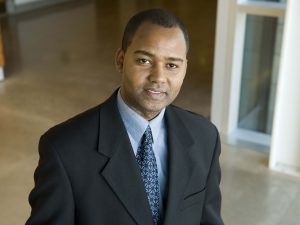
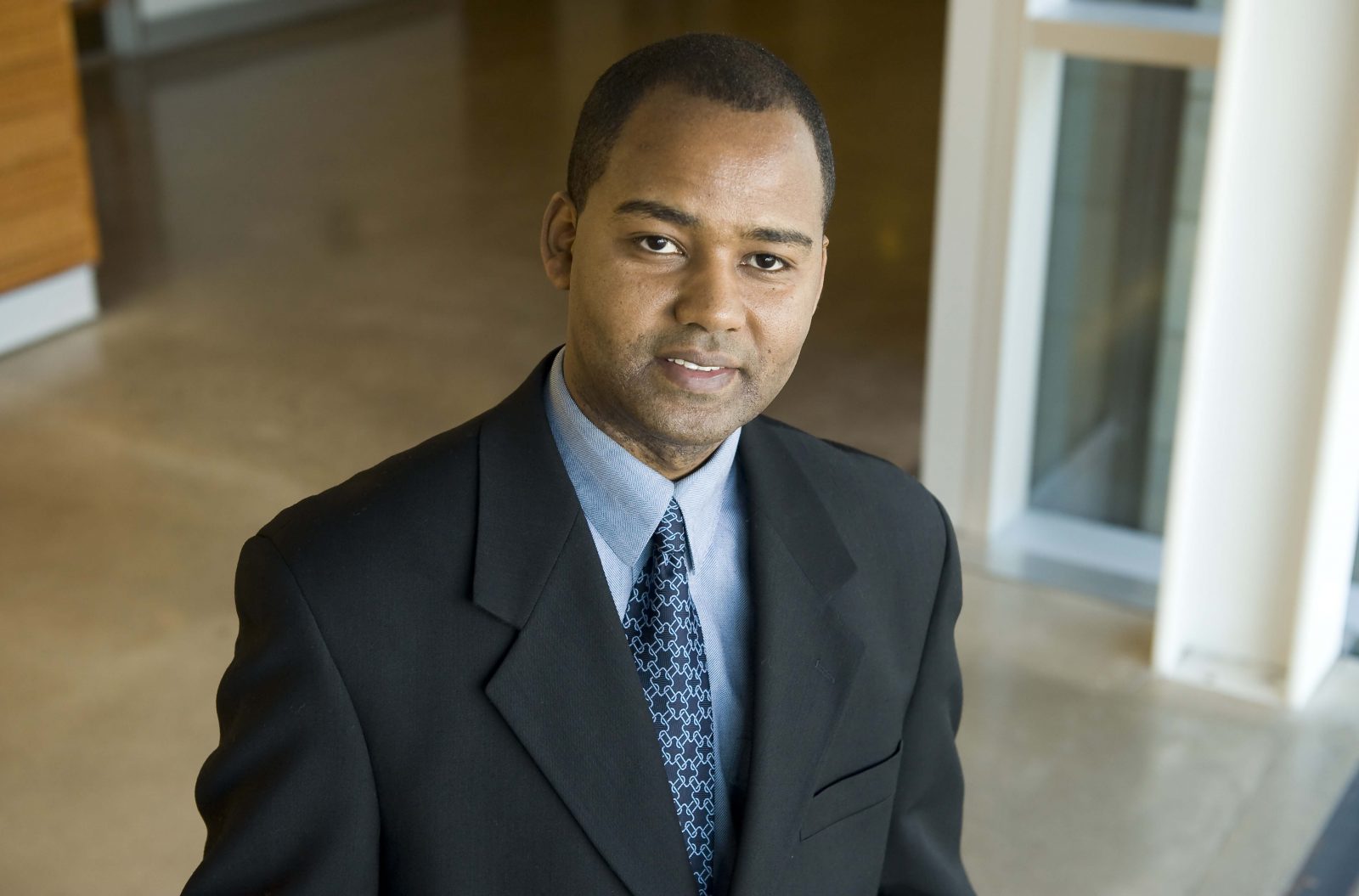
 Brock University Professor of Information Systems Anteneh Ayanso is co-leading a project examining how whether Black communities in Canada are experiencing digital inequalities as the use of artificial intelligence technology expands.
 NOTE: Brock University announced the creation of its annual Black Scholar Research Grant (BSRG) in 2025. Visit The Brock News to read more about BSRG recipients and their research.
As more people use artificial intelligence (AI) to navigate everyday life, Anteneh Ayanso wants to ensure no one is left behind.
“Many Black Canadians are disproportionately excluded from the benefits of advanced technologies because of a variety of historical and systemic inequities,” says the Brock University Professor of Information Systems.
Beyond access to devices or platforms, Black communities need the skills, resources and conditions required to use AI in ways that can improve education, employment and broader life outcomes, he says.
Ayonso’s research focuses on information and communications technology (ICT) development and the “digital divide” between those who are able to access and use the Internet and those who aren’t.
Earlier this year, he published a study examining how ICT development — supported by the investment of adequate resources — can boost countries’ economic and political stability.
With support from Brock’s Black Scholar Research Grant, Ayanso shifting the spotlight from the international to the local level through his latest project, Bridging the AI Readiness Gap in Black Communities in Canada.
The research doesn’t view Black Canadians as a homogenous group, Ayanso says, or assume Black Canadians have a lack of capability when it comes to AI use.
“Black Canadians are a rapidly growing and highly heterogeneous population, but structural differences in income, education, employment and institutional access may affect opportunities to participate in and benefit from AI.”
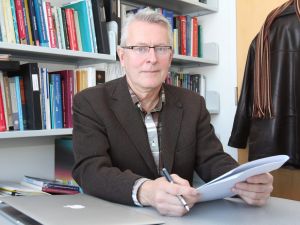
The research, which Ayanso is co-leading with Associate Professor of Information Systems Shuai Yuan, aims to answer three questions:
- Are there disparities in AI affordability and access within Black communities and between these communities and the larger Canadian population?
- How does AI use vary across socio-economic, educational and geographic groups within Black communities?
- How are AI skills associated with education, employment and broader outcomes?
“The project therefore asks whether the digital inequalities identified during earlier waves of ICT development are being reproduced or transformed as Canada enters an AI-intensive economy,” he says.
The team will be drawing on Statistics Canada data from the Canadian Internet Use Survey, Labour Force Survey, census and the National Graduates Survey as well as other sources to explore socio-economic trends based on race.
The researchers will then use statistical and machine learning models to determine the relationships among affordability, access, use, skills and outcomes within Black communities.
Ayanso says the project moves beyond merely developing a theoretical framework of how to increase Black Canadians’ physical access to AI technologies.
Examining the interactions of education, socio-economic status, employment and other factors within Black communities will shed light on assessing Black communities’ “AI readiness” — a term in business literature referring to an organization’s successful use, management and scaling of AI to achieve desired outcomes.
“The novelty of this research is that we are not treating AI readiness as simply access to ChatGPT or another AI tool,” he says. “We conceptualize readiness as a progression from affordability and access through use and skills to meaningful outcomes.”
Ayanso says the project’s long-term vision is not simply to document a gap, but to identify where barriers arise and generate information that governments, educational institutions and community organizations can use to develop more targeted AI-inclusion strategies.