 Assistant Professor of Health Sciences Luke Turcotte and his international research team are examining ways reduce hospital readmissions for older adults by improving hospital discharge planning.
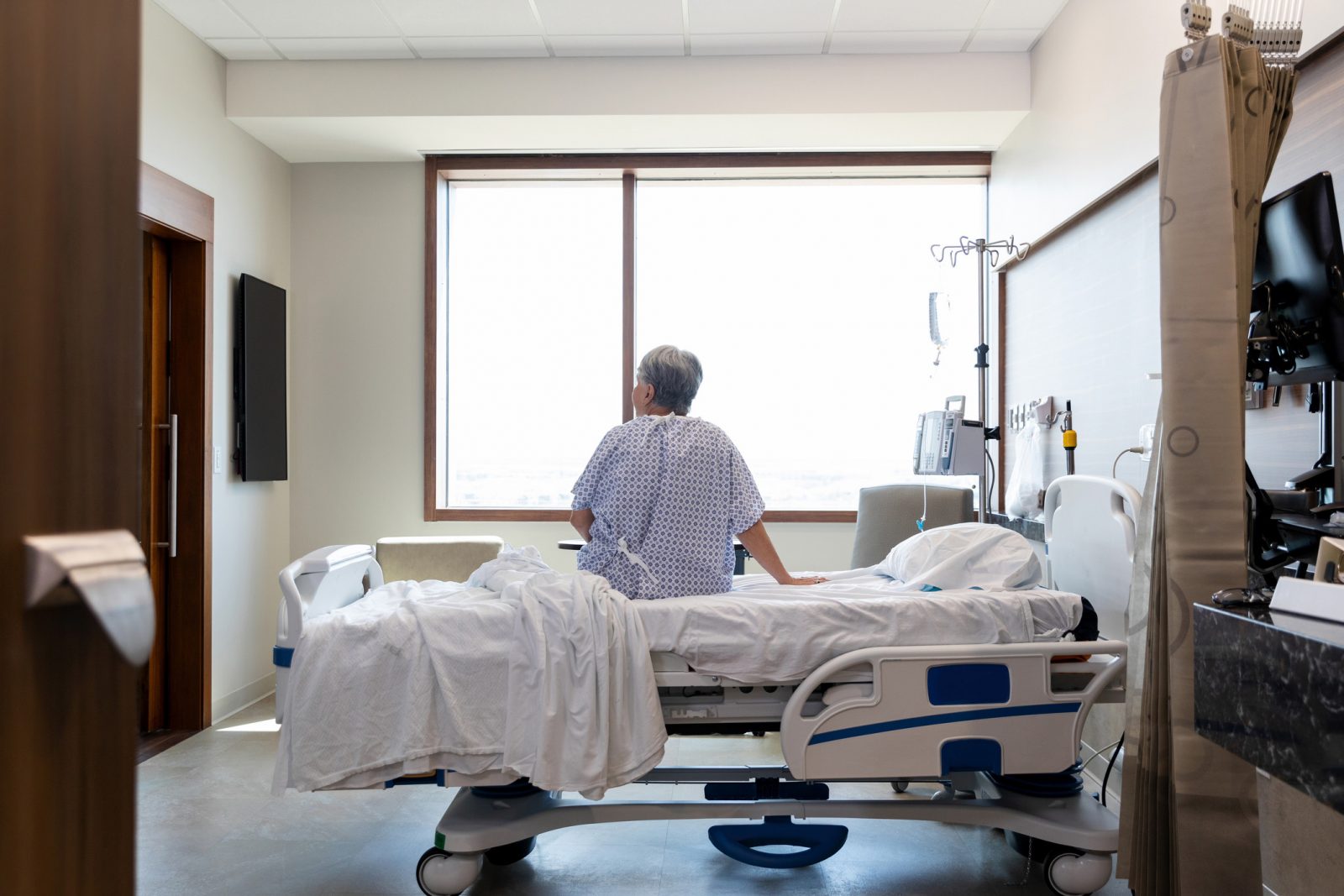
For many frail older adults with chronic conditions who live at home, navigating being admitted to and discharged from hospital can be overwhelming.
Luke Turcotte, Brock Assistant Professor of Health Sciences and core faculty member of the Master of Applied Gerontology program, says most hospital discharge planning tools focus on medical diagnoses, overlooking social and economic factors that may make patients more vulnerable.
“When someone leaves hospital, do they have support at home? Can their caregiver manage? Can they afford essentials? Is their home safe and accessible? Those factors can shape whether a transition home succeeds,” he says.
To help close this information gap, Turcotte and his team are working with Niagara Health and Ontario Health atHome to incorporate interRAI assessments into hospital discharge planning.
These assessments — often used by home care agencies — collect detailed information about the physical, mental and social well-being of patients, their ability to manage daily activities, safety of their home and the support available to them and their caregivers’ ability to help.
Turcotte says Ontario’s Integrated Assessment Record already allows health professionals to share interRAI information across care settings.
“The opportunity is to make purposeful use of information that already exists across home care and hospital settings,” he says. “We want to turn it into tools that fit discharge planning workflows and help teams make more informed decisions.”
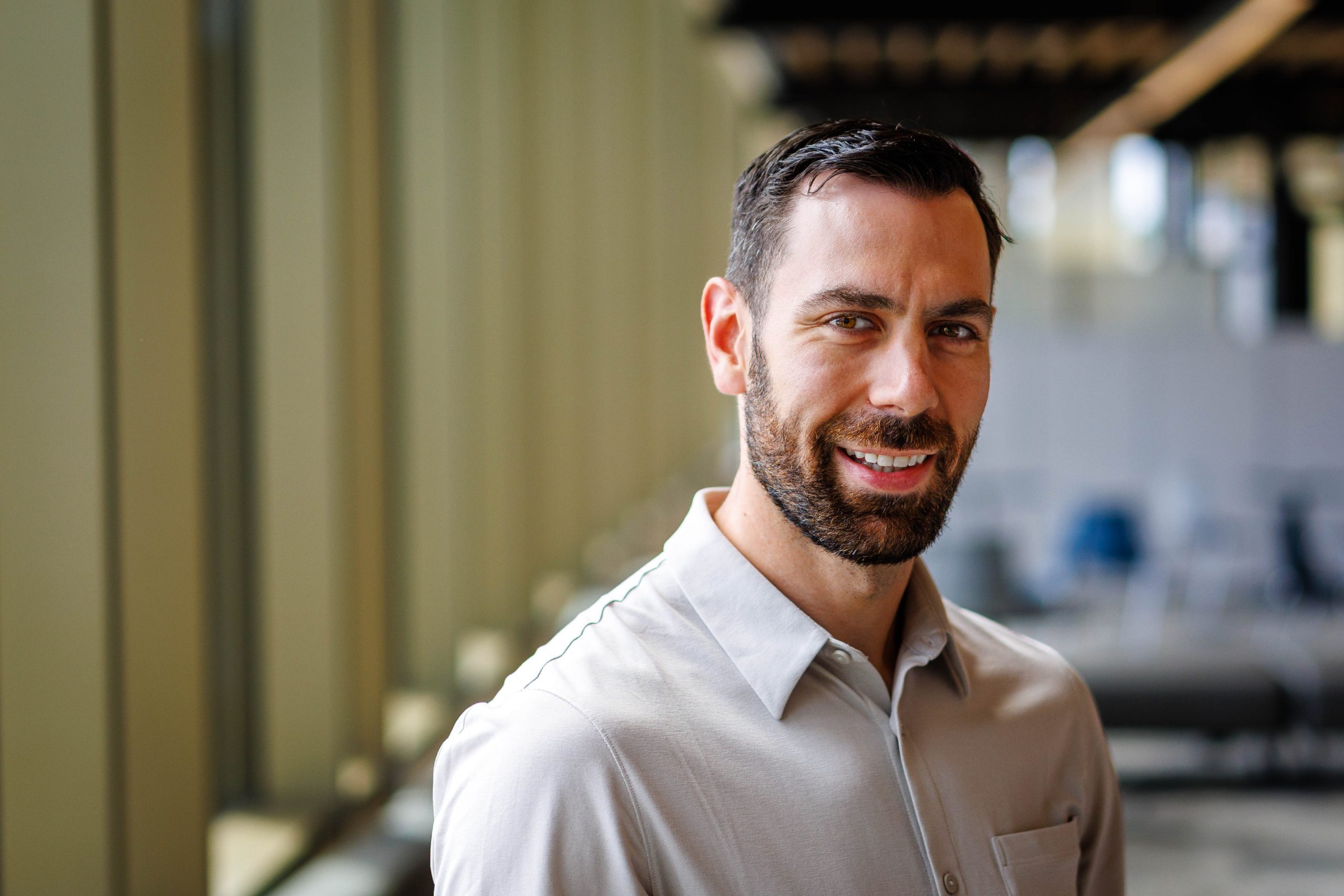
Assistant Professor of Health Sciences Luke Turcotte
First, the team will study hospitalizations among patients aged 65 and older in six Canadian jurisdictions, including whether they were readmitted within 30 days of being discharged. By linking hospital records with interRAI home care assessments, the researchers aim to examine how clinical factors interact with social support, caregiver capacity, financial strain and the home environment to shape the risk of an unplanned readmission.
Using this information, the team will develop machine learning algorithms to identify people who may be more likely to be readmitted to hospital shortly after discharge. These algorithms will support individualized care planning and coordination, Turcotte says.
The researchers will then test the algorithms using data from similar patient groups in Finland and New Zealand to see how well they work outside Canada. Finally, hospital and community care professionals, patients and family caregivers will help decide how the risk scores and related information should be presented to maximize their usefulness.
Turcotte says part of what motivates his research is the tremendous pressure on the health-care system, including long emergency department wait times and bed shortages.
“When the number of patients needing care exceeds the beds available, people end up receiving care in hallways, makeshift bed spaces and even storage closets. Preventing avoidable readmissions is one way to reduce that pressure,” he says. “For an older adult, being cared for in a space that was not designed for them can increase the risk of delirium or a fall. Those complications can prolong a hospital stay and make it harder for someone to return home safely.”
Better planning can help ensure patients and families receive the right care and support in the community after leaving hospital, Turcotte says, noting that approximately one in eight older adults is readmitted to hospital within 30 days of discharge and home care clients account for 42 per cent of these readmissions.
Turcotte and his team’s work is supported by a Project Grant from the Canadian Institutes of Health Research (CIHR), which is funded by the Government of Canada.
The team includes Professor of Clinical Epidemiology Brent Faught, Associate Professor of Nursing Connie Schumacher and researchers from McMaster University, the University of Waterloo, Lawson Research Institute in London, Ontario, the Finnish Institute for Health and Welfare and the University of Otago in New Zealand.