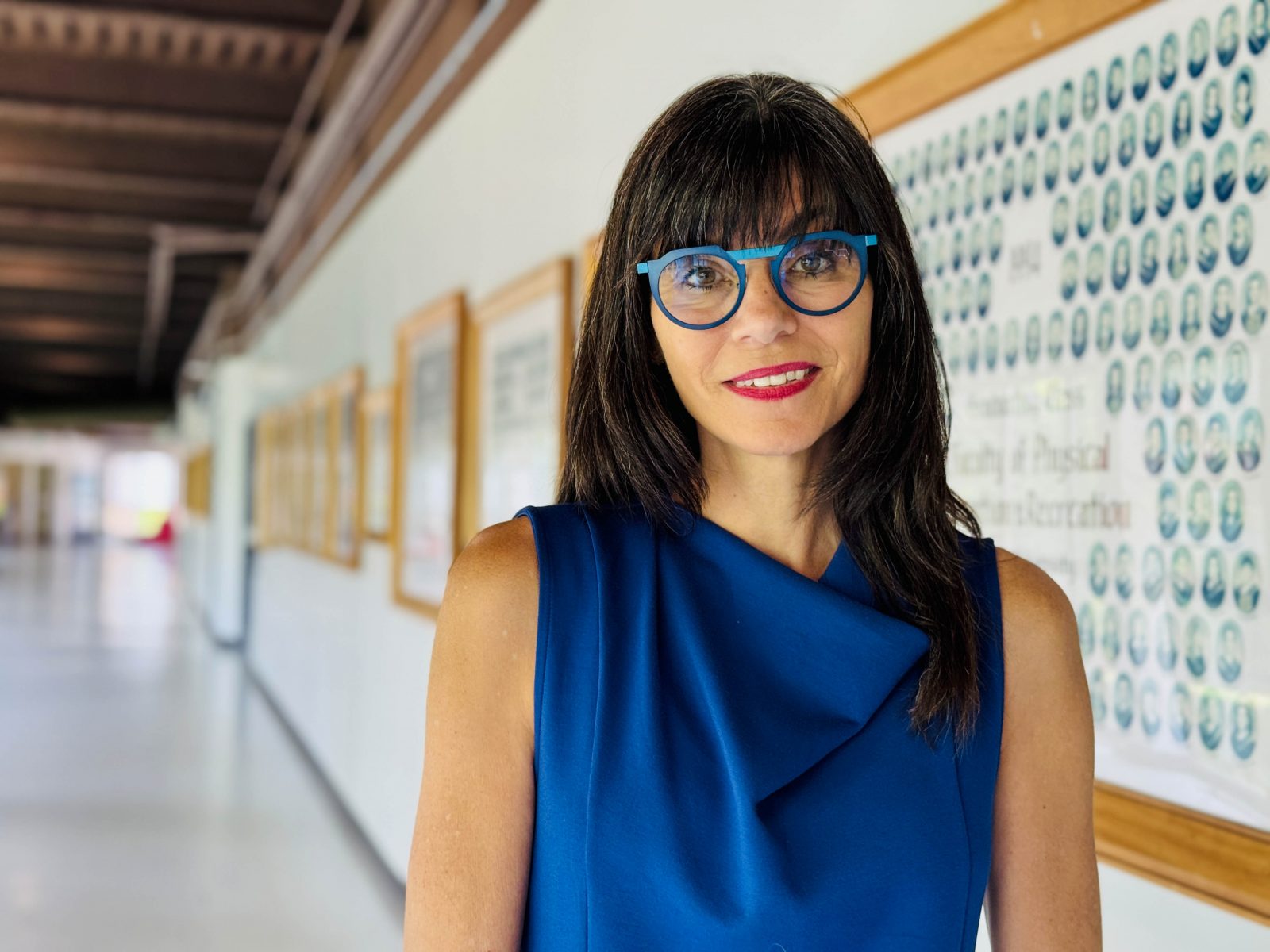
 Professor of English Language and Literature Carole Lynn Stewart has been appointed Associate Dean, Research and Graduate Studies, in the Faculty of Humanities, effective July 1.
 Professor of English Language and Literature Carole Lynn Stewart has been appointed Associate Dean, Research and Graduate Studies in the Faculty of Humanities, effective July 1.
As a scholar whose work has always reached across humanities fields, Stewart looks forward to extending her interest in interdisciplinary research in her new role to help faculty and graduate students achieve their own knowledge mobilization goals.
Stewart says the humanities are interdisciplinary in their very nature.
“Whether through literature, visual art, dramatic performances or understanding ancient histories, for example, the humanities engage with the histories, cultural roots and critical frameworks of societies and nations. They provide the stories we tell and encourage critical thought, promoting cross-cultural and historical understanding,” she says.
Stewart aims to continue the work of outgoing Associate Dean of Research and Graduate Studies Elizabeth Vlossak, Associate Professor of History, in showcasing the public nature of the humanities, shining a spotlight on the transdisciplinary humanities research at Brock, and amplifying diverse and underrepresented voices.
“Humanities researchers at Brock continue to win major grants and promote collaborations with the broader public, globally and with the local Niagara region,” Stewart says.
Along with the Office of the Dean of Humanities, she plans to highlight the significance of the humanities across disciplines in academic and in non-academic forums in the community.
Stewart’s own research has roots in the interdisciplinary study of religion and society, investigating the religious-cultural foundations of the United States through literary authors.
She was written several texts, including Strange Jeremiahs: Civil Religion and the Literary Imaginations of Jonathan Edwards, Herman Melville, and W. E. B. Du Bois and Temperance and Cosmopolitanism: African American Reformers in the Atlantic World. Both projects centred racially and culturally diverse ways of knowing as well as social concerns such as addiction and wellness.
Now more than ever, Stewart says, the world needs people who are trained to do deep research that explores critical questions.
“The relevance of the humanities lives on in this age of technological transformation, and Brock’s researchers are consistently engaged with bringing their work to the world and the larger public, whether through digital humanities and AI research or with historical and artistic visions from ancient to contemporary cultures,” she says.