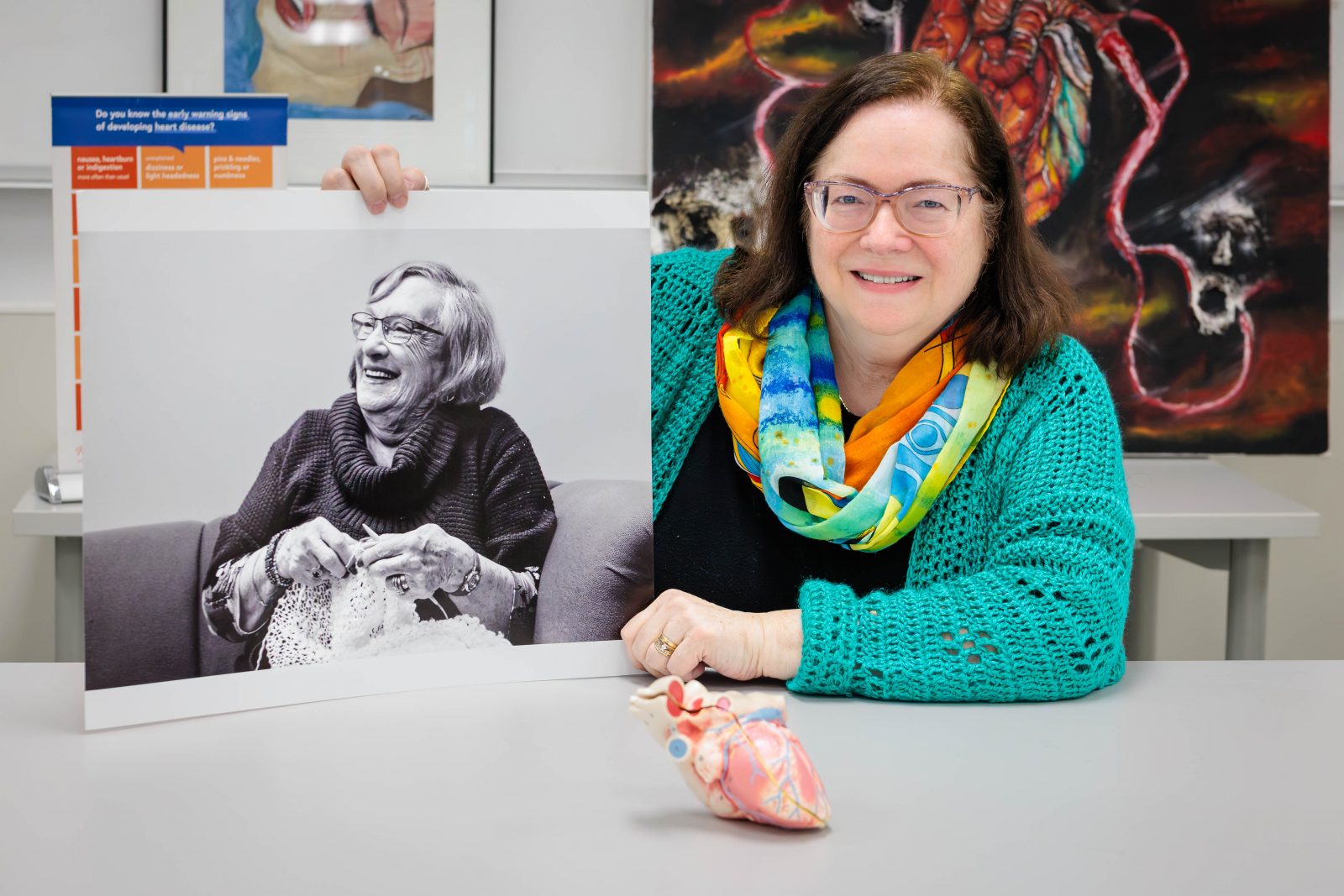
 Brock University Associate Professor of Nursing Sheila O’Keefe-McCarthy studies how women suffering from heart disease, including the research participant whose photo O’Keefe-McCarthy is holding, are often misdiagnosed because their symptoms may differ from those experienced by men.
With International Women’s Day on Sunday, March 8, Brock University scholars are weighing in on the underrepresentation of women as research participants and how their work aims to close the gap.
Associate Professor of Entrepreneurship Shawna Chen
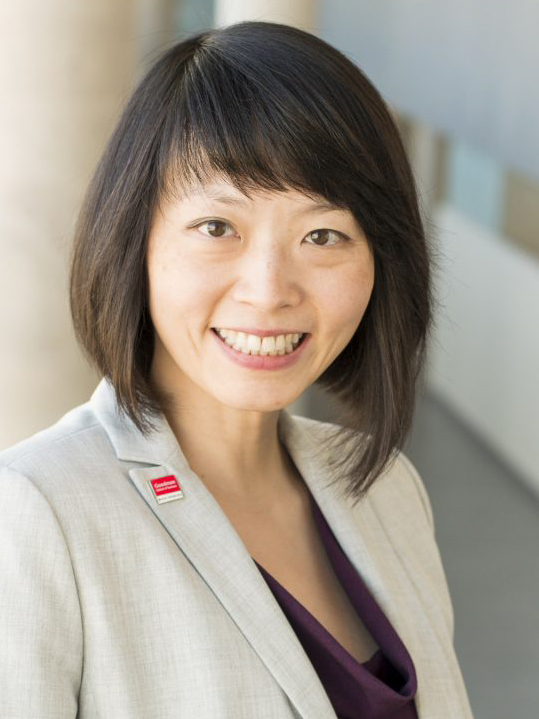
Associate Professor of Entrepreneurship Shawna Chen
Recent data shows women-only founded companies still receive less than three per cent of venture capital funding — a gap so vast it dwarfs even the most stubborn gender pay gaps recorded anywhere in the world. Research on gender bias reveals how women founders face stereotypes that distort perceptions of their credibility, networks that limit investor access and pressure to adopt masculine norms just to be taken seriously. When business research excludes women, these dynamics go undetected and unchallenged. The criteria investors apply, the advice founders receive and the policies governments design all flow from the data we generate.
Defaulting to male experience as the standard doesn’t just miss women entrepreneurs — we actively disadvantage them and, by extension, the customers, communities and economies they serve. Emerging work examining gender bias in pitch dynamics, including how nonverbal communication shapes investor perceptions in real time, holds promise for changing what happens when funding decisions are made.
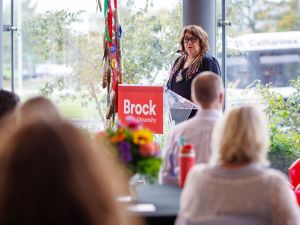
Professor of Educational Studies Sheila Cote-Meek and Assistant Professors of Educational Studies Jeannie Martin and Sherri Vansickle, who are working with the Fort Erie Native Friendship Centre on research into the teachings of the Ribbon Skirt. The Standing Strong with our Sisters project involves 20 women as research participants.
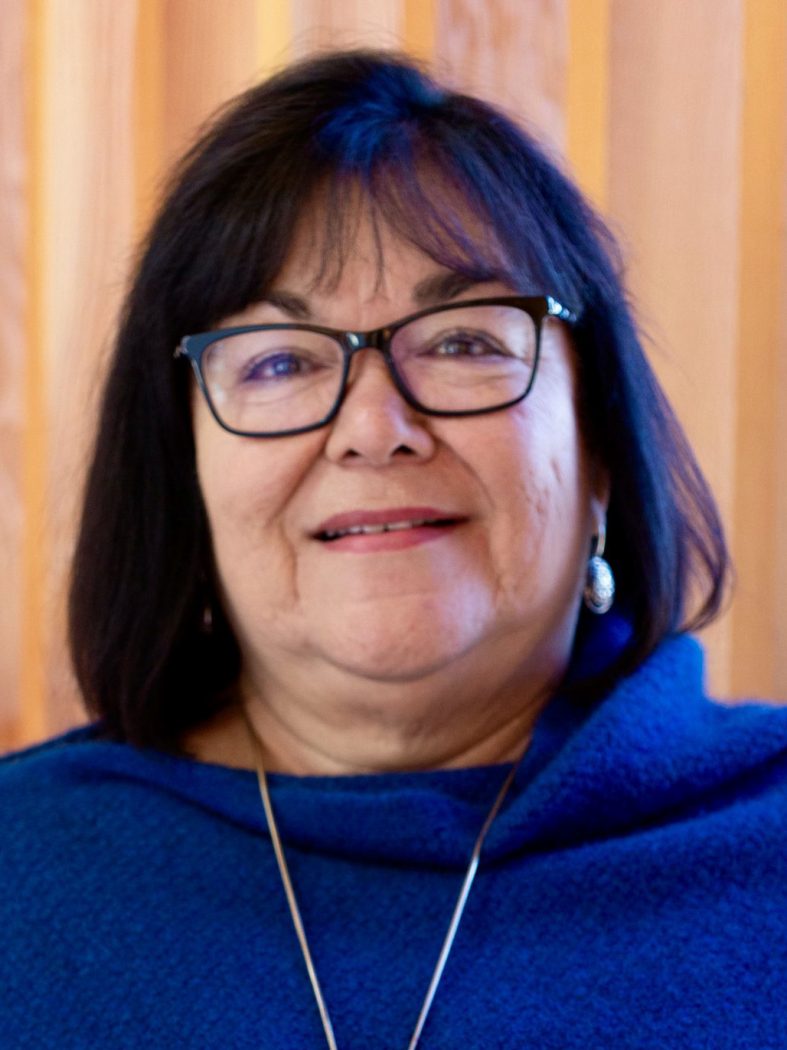
Professor of Educational Studies Sheila Cote-Meek
Sheila Cote-Meek
I would say that generally the voices of Indigenous women in leadership have only been more recently explored in research. There is no doubt that colonization has impacted our cultures and traditions and hence our desire as Indigenous women to engage in ceremony, events and teachings that assist with cultural revitalization and resurgence. Research such as the Ribbon Skirt project provide a unique opportunity for learning and engaging with other Indigenous women participants.
Jeannie Martin
Historically, Indigenous women have often been marginalized or silenced in research conducted through settler-colonial frameworks, where their experiences were filtered through external interpretations or reduced to deficit-based narratives. Conventional research methods frequently failed to prioritize relational trust, cultural safety or trauma-informed approaches, resulting in misunderstandings of Indigenous women’s realities. In contrast, creating a culturally safe, women-centered research space ensures that research becomes a process of co-creation rather than extraction, strengthening both scholarly integrity and community accountability.
Associate Professor of Sociology and Critical Criminology Julie Ham
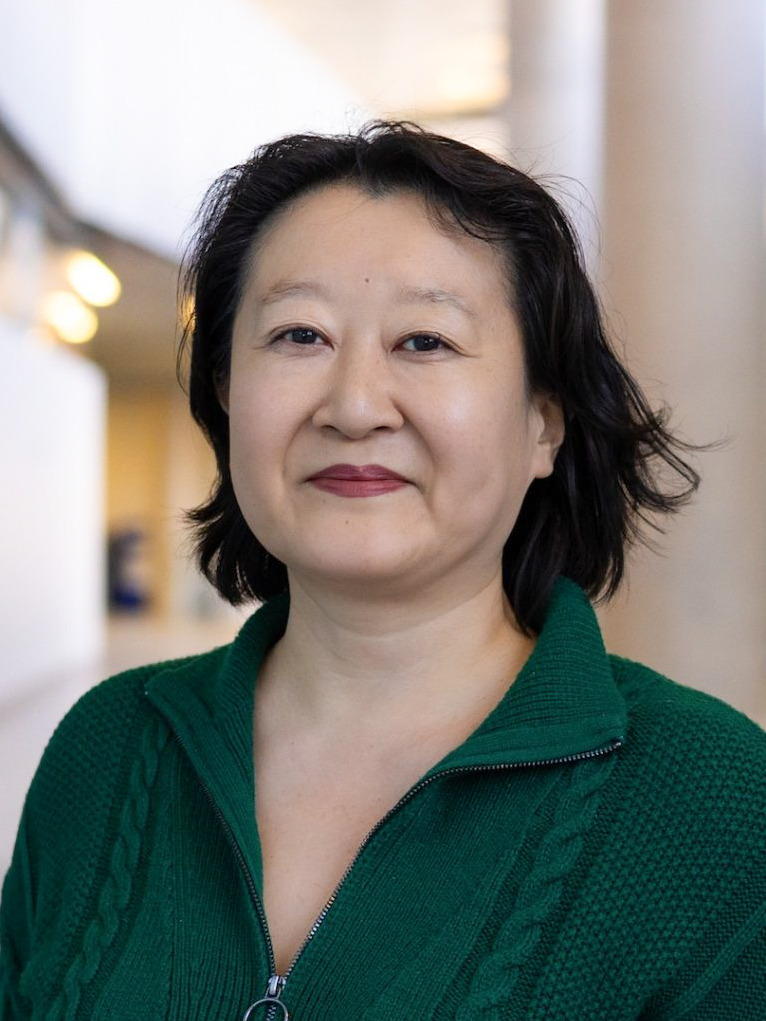
Associate Professor of Sociology and Critical Criminology Julie Ham
My research looks at which women are being served by activist efforts, and which women are not, in sex work. This work includes talking to racialized and Indigenous women sex workers about their experiences of inclusion or exclusion in the Canadian sex worker rights movement. Other ongoing work with migrant domestic workers in Hong Kong has examined the extraction of care from a largely migrant women workforce. These women still struggle to have their rights recognized and respected.
The Canadian sex worker rights movement aims to meaningfully address issues of race and settler colonialism. Racialized and Indigenous sex workers have faced challenges voicing their concerns in a sex worker rights movement that remains predominantly white. Research that centres racialized and Indigenous sex workers is needed to mitigate the risk of laws, regulation and measures that primarily serve white sex workers and increase risk for non-white sex workers.
Associate Professor of Nursing Sheila O’Keefe-McCarthy
Women are still dying from unrecognized early and acute symptoms leading to heart disease.
“Classic” male-pattern chest pain is the primary reference point for cardiovascular assessment and evaluation. This contributes to diagnostic delays and misattribution of women’s symptoms to anxiety or gastrointestinal causes and is directly related to increased cardio-morbidity and mortality for women.
Historically, cardiovascular trials and device studies have disproportionately enrolled male participants, resulting in limited generalizability of findings to women. As a result, the data gained provides little ability to detect sex-based interactions or provide surgical risk calculators and predictive tools specific to women who suffer with heart disease.
Using an arts-based platform, my heart innovation research program directly focuses on women’s cardiovascular health literacy, symptom recognition and health equity to educate and provide access to public scholarship and knowledge to diverse audiences. A current project, the Heart DIS-Ease Play, raises awareness of implicit bias in cardiovascular care.
Associate Professor of Digital Humanities Sarah Stang
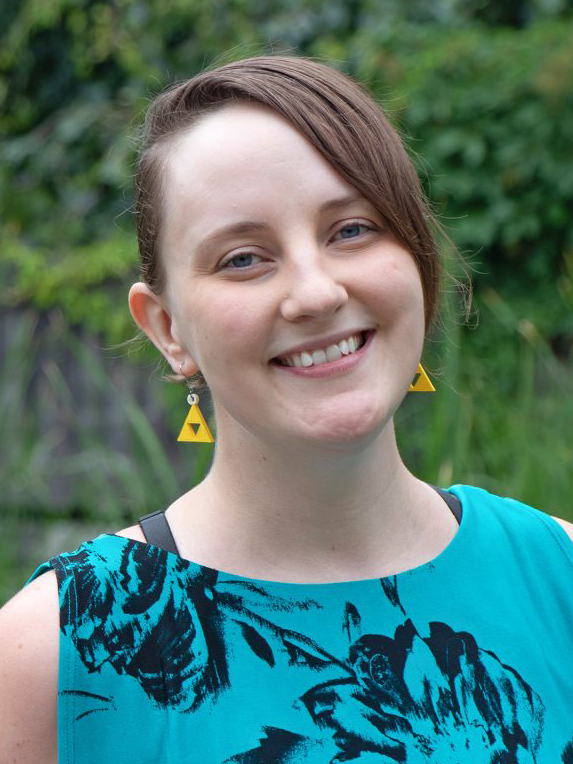
Associate Professor of Digital Humanities Sarah Stang
For a long time, women were largely ignored, or silenced, within video game discourse; game content, the game industry and gamer culture focused on the experiences and opinions of men.
Female protagonists and heroes are almost never mothers, and mothers are almost the antithesis of what people think of when they hear the word “gamer.” I want to give voice to both players and developers who identify as mothers and analyze game content where mothers are featured. A lot of mothers make and play games, like me, and our surveys and interviews have allowed them to share their experiences and opinions. Data from our participants can help guide ways to better include and portray mothers, motherhood and pregnancy in terms of character design and storytelling and help make the game industry a more equitable place for mother developers to work and share their stories and creative visions with the world.
Professor of Biological Sciences and UNESCO Chair in Community Sustainability: from Local to Global Liette Vasseur
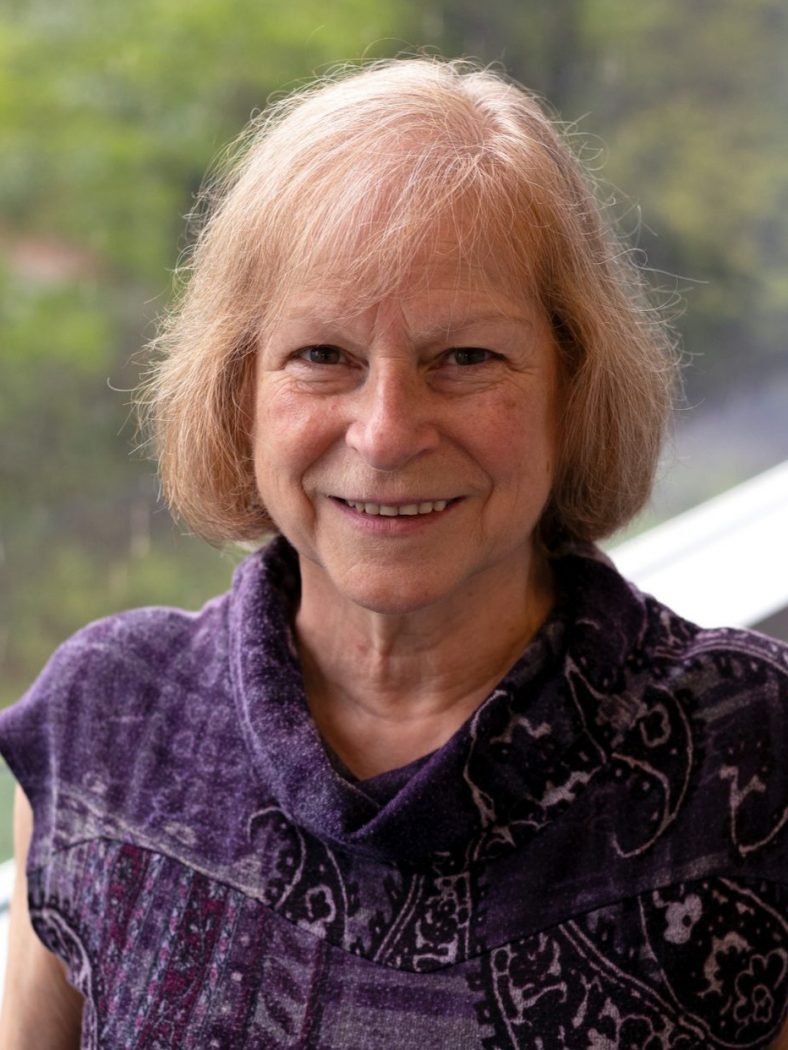
Professor of Biological Sciences Liette Vasseur
Through my international work, I’ve seen how women in many developing countries are still limited in their education and cannot develop their full potential. They’re also often excluded in community-based research, where men will be able to talk while women remain silent. Researchers should be sensitive to these issues. This is especially important when a male translator misinterprets women’s responses to questions.
During community-based research, I’ve had challenges getting women to come to community meetings because they were tied up with household chores and child care, etc. Because of their absence, women’s viewpoints aren’t heard, which can lead to negative impacts on a community. One example is a community in Asia, where the men decided to cut down a forest for income without the women knowing. Women collected medicinal and aromatic plants in this forest; the loss of the forest led to difficulties in treating health problems in the community.