 Experts in Brock’s Department of English Language and Literature are reflecting on the enduring allure of spooky stories.
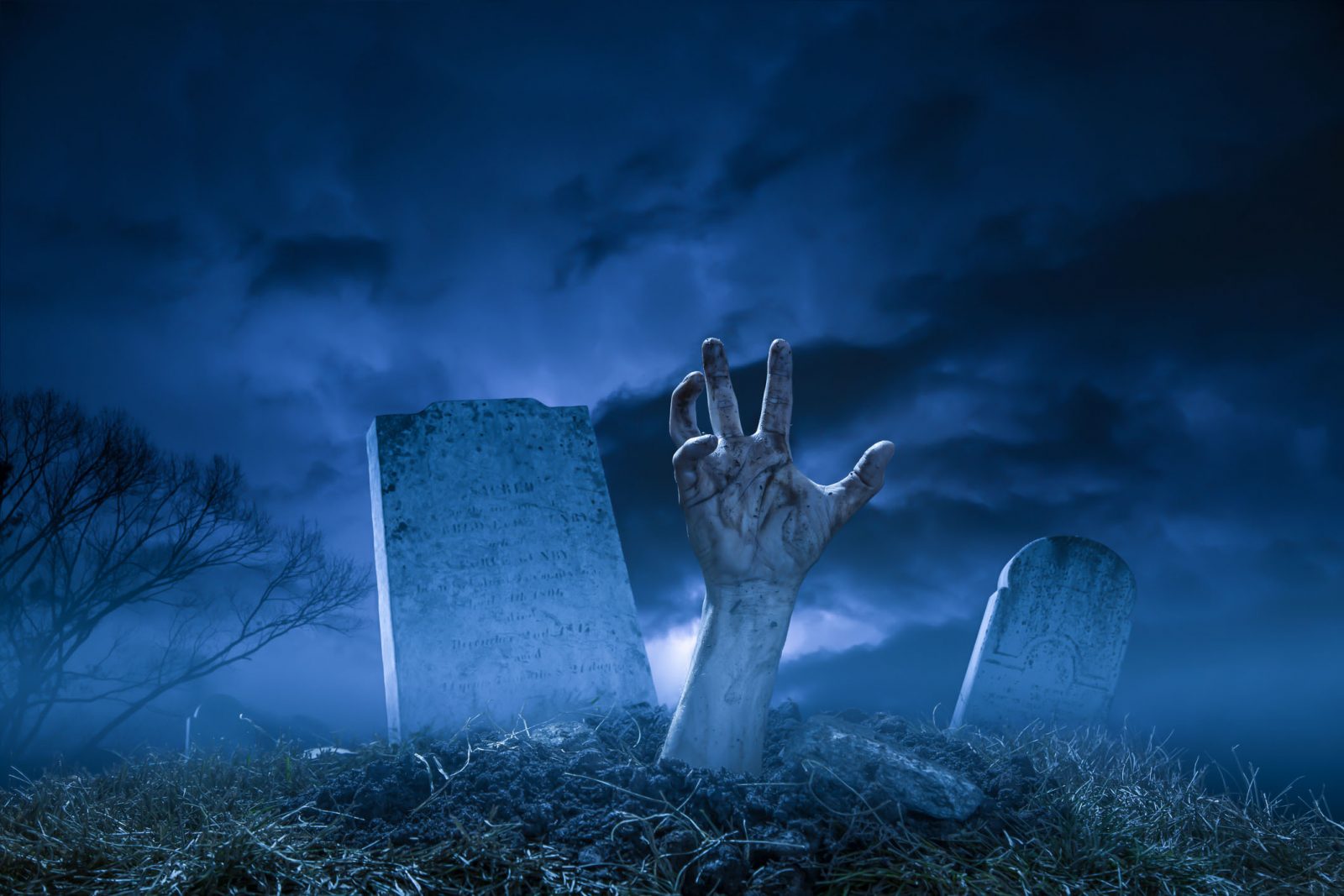
As ghosts and ghouls rise from the dead to stake their annual claim to October’s pop culture crown, Brock University English Language and Literature experts are weighing in on society’s fascination with scary stories and why “monsters” continue to thrill.
Associate Professor and Dean of Humanities James Allard says Gothic fiction, which originated in the 1700s, entertained mass audiences by using emotional and suspenseful storytelling techniques that are now hallmarks of many popular stories — and not just scary ones.
“Establishing iconic figures like Frankenstein’s creature and Bram Stoker’s Dracula, Gothic literature laid the groundwork for today’s popular storytelling genres — think murder mysteries, detective fiction, romance and fantasy fiction,” he says.
The success of the storytelling style, Allard says, is in part thanks to human emotional reactions, allowing readers to explore fear and other challenging feelings in a safe setting.
“Whether it’s enjoying the suspense of a thriller or feeling scared watching a film with a blanket over your eyes, these stories allow us to feel emotions we may not want to feel otherwise,” he says.
According to Allard, Gothic monsters are adaptable symbols functioning as whiteboards for society’s fears.
“Later adaptations of Frankenstein’s experiment reflect fears of science and technology run amok with no consideration of morality; Dracula is a wealthy, gender non-conforming aristocrat who is at home both in a castle and in the dirt,” he says. “Contemporary authors and creators still grapple with these themes, and modern-day audiences still want to experience them.”
Professor Martin Danahay agrees, pointing to Guillermo Del Toro’s forthcoming remake of Frankenstein, which Danahay believes will show Mary Shelley’s creature in a positive way.
“Del Toro’s Frankenstein shows the enduring appeal of Gothic horror,” he says. “Del Toro is the perfect director for this film because he has always had a deep sympathy for ‘monsters’ whom he regards as outsiders rejected or oppressed by society.”
Each generation revisits and rewrites monsters to reflect social anxieties of the era, says Professor Ann Howey, an expert in feminist adaptations of traditional tales.
Female villains were historically written as elderly and ugly, and therefore dangerous, Howey says, reflecting patriarchal fears about women’s power, control, age and sexuality.
Feminist adaptations of these characters emerged in the 1970s and ’80s. Marion Zimmer Bradley’s The Mists of Avalon, for example, retells Arthurian legends from the perspective of the female characters, particularly the sorceresses, Howey says.
The trend gained momentum in the ’80s and ’90s with authors like Nora Roberts writing mainstream romance with a supernatural edge, positioning women’s paranormal powers as part of the female protagonist’s allure.
Contemporary works, Howey adds, continue to reimagine women traditionally coded as villains, referencing popular mainstream shows like Buffy the Vampire Slayer and more recently, the global success of Sarah J. Maas’s A Court of Thorn and Roses series.
“In these new storylines, witches or ‘chosen’ women with supernatural powers are billed as heroic leads,” she says.
Allard, Howey and Danahay agree the current trends dominating genre fiction reflect an increasing cultural awareness of what constitutes evil and that society’s appetite for stories that explore fear, morality and identity continue to resonate through the ages.