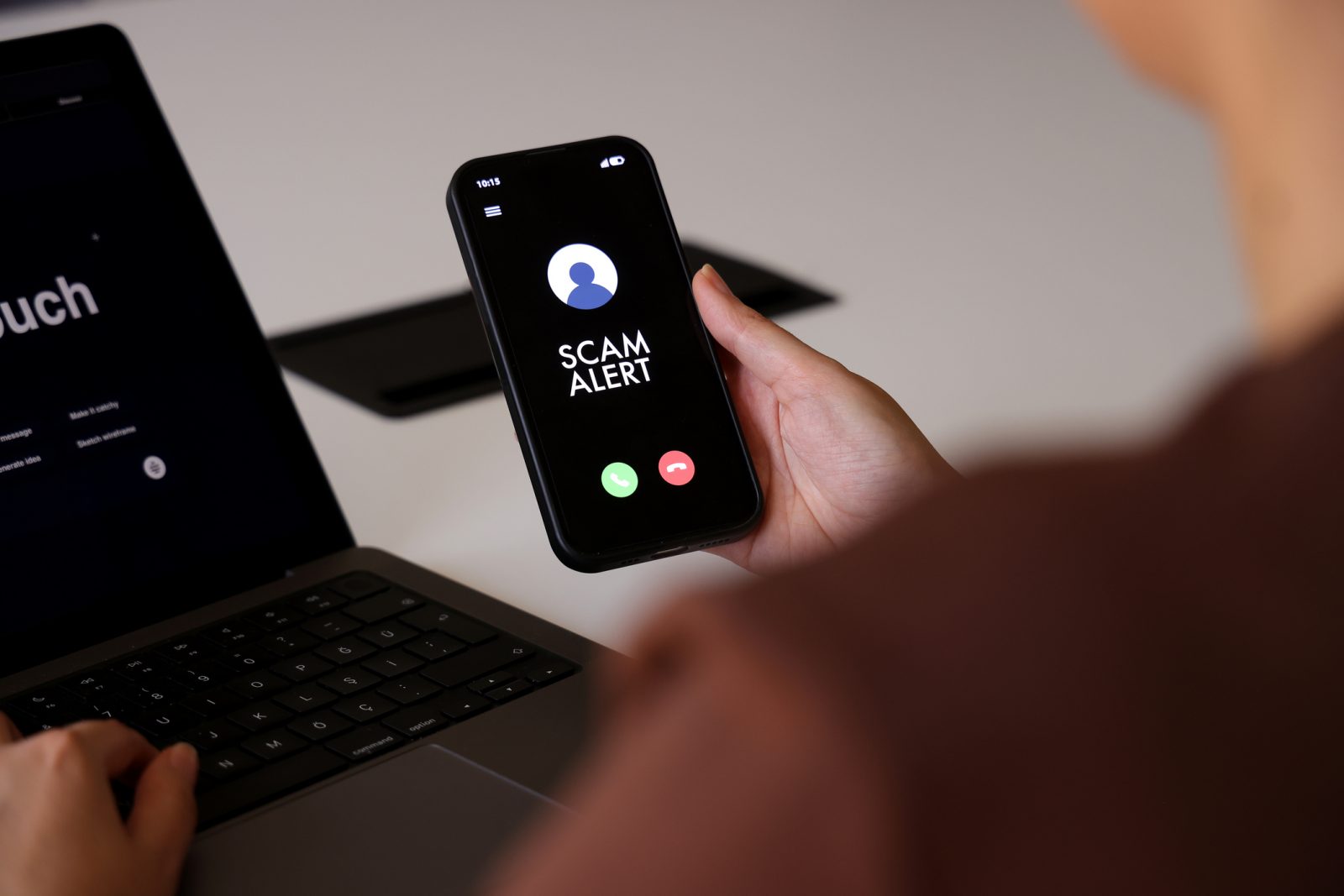
 Brock’s Information Technology Services team is advising users to be aware of the strategies used by scammers and cybercriminals.
 Brock’s Information Technology Services (ITS) team is sharing tips to help students, faculty and staff recognize strategies used by scammers to steal users’ personal information and money.
Tactics used by cybercriminals include:
- Creating a false sense of urgency to pressure users into sharing personal information or clicking on malicious links.
- Threatening users with arrest, financial loss or the release of private information if their demands aren’t met.
- Impersonating a trusted source to trick users into sharing personal information or clicking a malicious link.
- Manipulating search engine rankings to bump fraudulent sites to the top of search results.
- Using pop-up notifications offering prizes or claiming a device has been infected with malware in order to trick users into sharing their information of clicking on a malicious link.
As well as knowing the warning signs for potential scams, Brock ITS advises users to:
- Verify suspicious or threatening messages by contacting the supposed sender through another trusted method.
- Contact an organization directly through a trusted method to confirm requests for personal information are legitimate.
- Double check URLs before clicking search results. Users should also hover over a sender’s email address and URLs in a message to check they are legitimate.
- Install antivirus software and pop-up blockers on their devices.
- Clear cookies and device caches regularly.
- Avoid using public or unsecured Wi-Fi networks.
- Avoid clicking links or calling phone numbers provided in pop-ups.
Members of the Brock community can also reach out to ITS with questions or forward suspicious messages to [email protected] for the IT Security team to investigate.