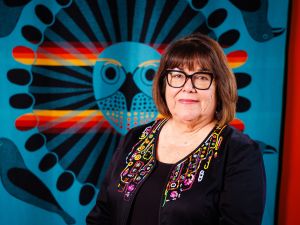
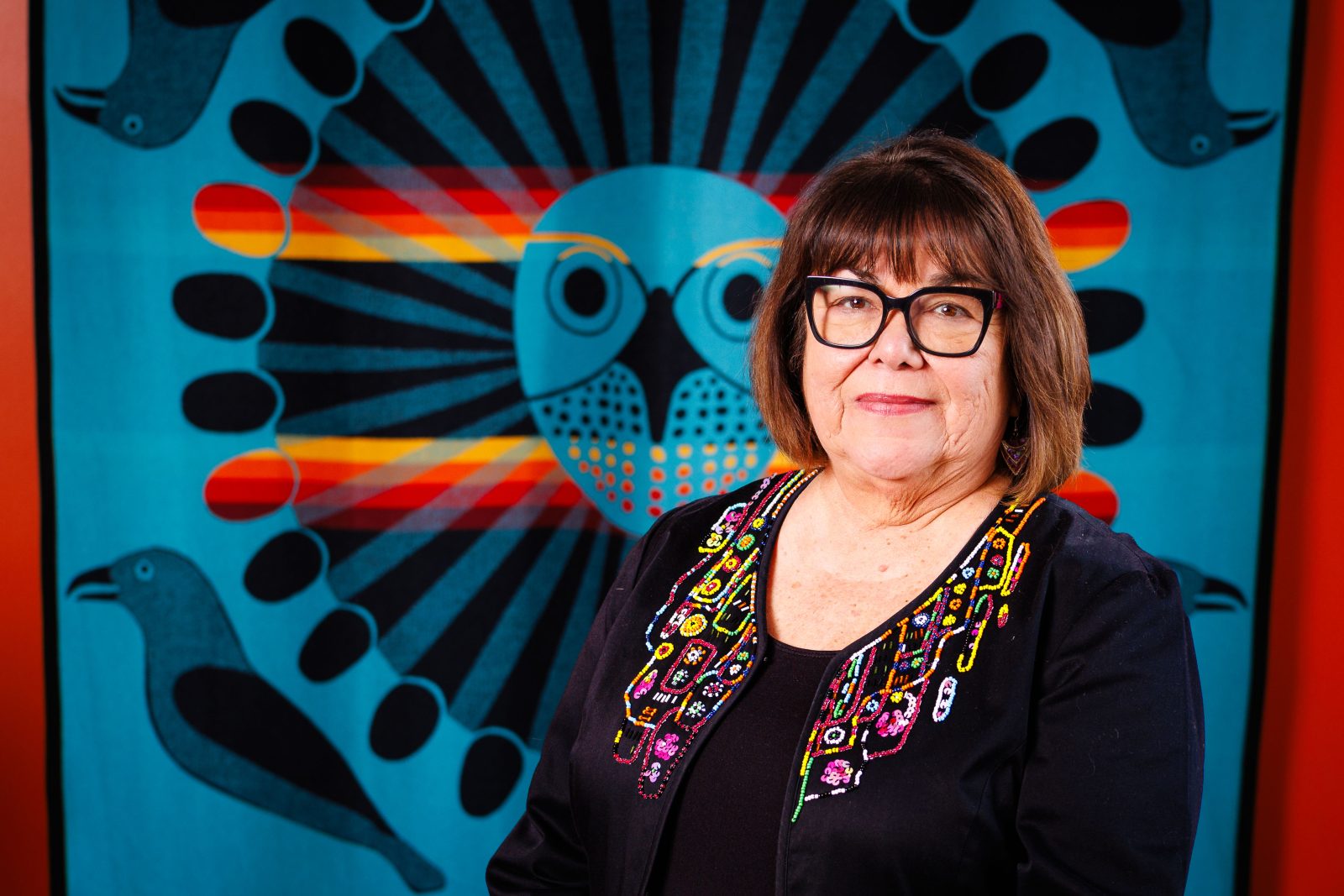
 Sheila Cote-Meek, Professor of Educational Studies and Brock University’s Interim Vice-Provost, Indigenous Engagement.
More than a decade since the Truth and Reconciliation Commission of Canada (TRC) first published its 94 Calls to Action, Sheila Cote-Meek finds herself asking a fundamental question: How much has changed for Indigenous students and faculty in post-secondary institutions across Canada?
The answer is complicated, she says.
The Brock University Professor of Educational Studies and Interim Vice-Provost, Indigenous Engagement says there have been significant changes in the Canadian post-secondary landscape since the TRC.
“We are seeing the introduction of Indigenous strategic plans, Indigenous leadership positions being established, expanded Indigenous student supports and spaces on campuses, and we are seeing additional faculty appointments,” she says.
But Cote-Meek says Indigenous students still feel isolated, and upon stepping out of those designated Indigenous spaces, still feel the impact of living in a society that does not always value Indigenous Peoples.
“Indigenous learners need to see themselves fully reflected in the places they are studying. It can make a huge difference in their life,” she says.
Cote-Meek has incorporated her research exploring what has changed — and what hasn’t — for Indigenous students and faculty members in Canada since the TRC in the second edition of her book Colonized Classrooms: Racism, Trauma, and Resistance in Post-secondary Education.
“I am reminded that visibility does not always translate into inclusion,” she says. “Many Indigenous people in post-secondary continue to experience racism, stereotypes and assumptions about who they are, their abilities and their identities.”
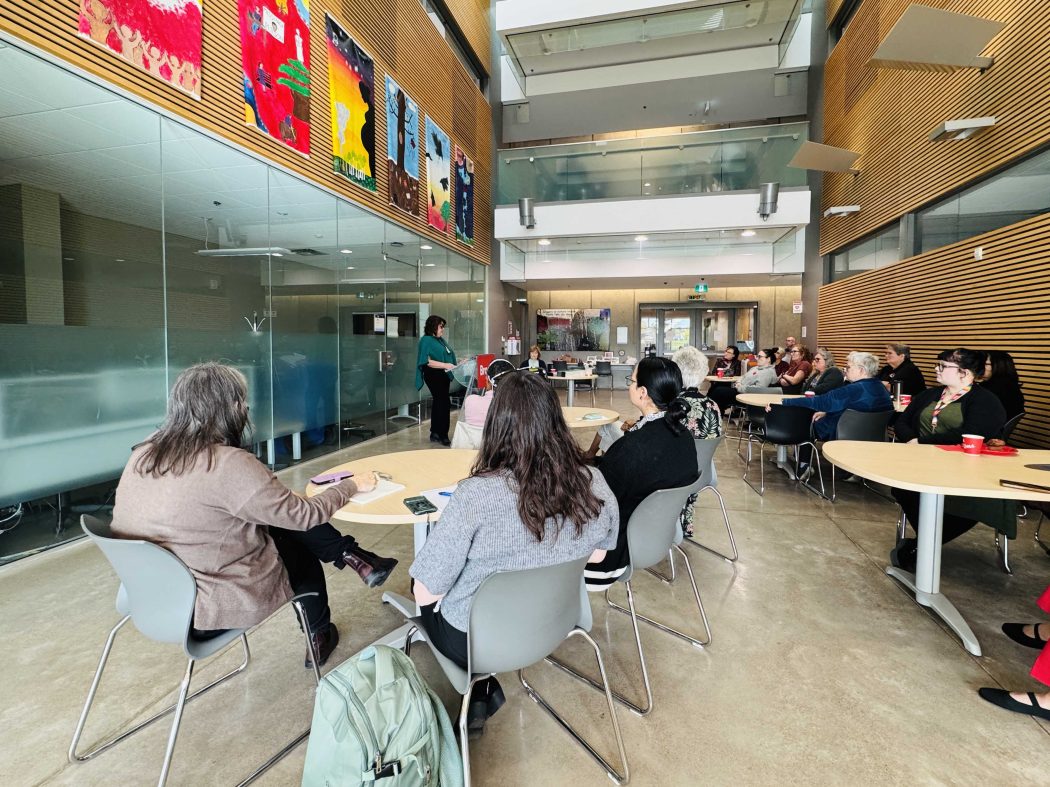
Sheila Cote-Meek, Professor of Educational Studies and Brock University’s Interim Vice-Provost, Indigenous Engagement, shared insights from the second edition of her book Colonized Classrooms, Racism, Trauma, and Resistance in Post-secondary Education published with the Brock campus community on Oct. 28.
There are now significantly more Indigenous faculty members than when she first published her book in 2014, which she says is an encouraging sign.
But Indigenous faculty often find themselves as the only Indigenous scholar in many departments, becoming default resources for questions about anything relating to Indigeneity, she adds.
“They often experience high levels of service work to the detriment of their research and scholarship,” Cote-Meek says. “For example, Indigenous faculty play a critical role for Indigenous students looking for support and advice that often extends beyond academic questions into social and cultural realms.”
Cote-Meek also notes the burden often placed on Indigenous faculty and staff to bring about institutional change.
“When the responsibility for institutional change continues to fall disproportionately on Indigenous faculty and staff, we need to ask if this is true reconciliation or if are we simply asking Indigenous people to do the work of places that have historically excluded them,” she says.
For Cote-Meek, relationships are the heart of meaningful reconciliation, alongside an institutional acknowledgment of the shared responsibilities to future generations who will inherit what is being shaped by Canada’s post-secondary institutions today.
“I’ve learned that the quality of relationships built on trust and reciprocity is central to effecting meaningful change, even when those conversations are uncomfortable,” she says.
In tandem with documenting experiences of racism and exclusion, she wants to make it clear that Indigenous people are not just struggling to survive.
“That’s not the whole story of who we are. Indigenous students and scholars have demonstrated tremendous strength, creativity and resistance,” she says.
After 35 years working in post-secondary education, Cote-Meek remains hopeful.
“Not because I think the work is easy, but because I believe collectively, we have the resolve to bring about genuine, accountable and transformative change,” she says. “Institutional change does not happen because of one person; it happens because people work together.”
Brock’s Centre for Pedagogical Innovation (CPI) is hosting a virtual book launch celebrating the publication of Colonized Classrooms, 2nd Edition – Racism, Trauma, and Resistance in Post-secondary Education on Monday, Nov. 16 from 11 a.m. to 12 p.m. More information including registration can be found on ExperienceBU.