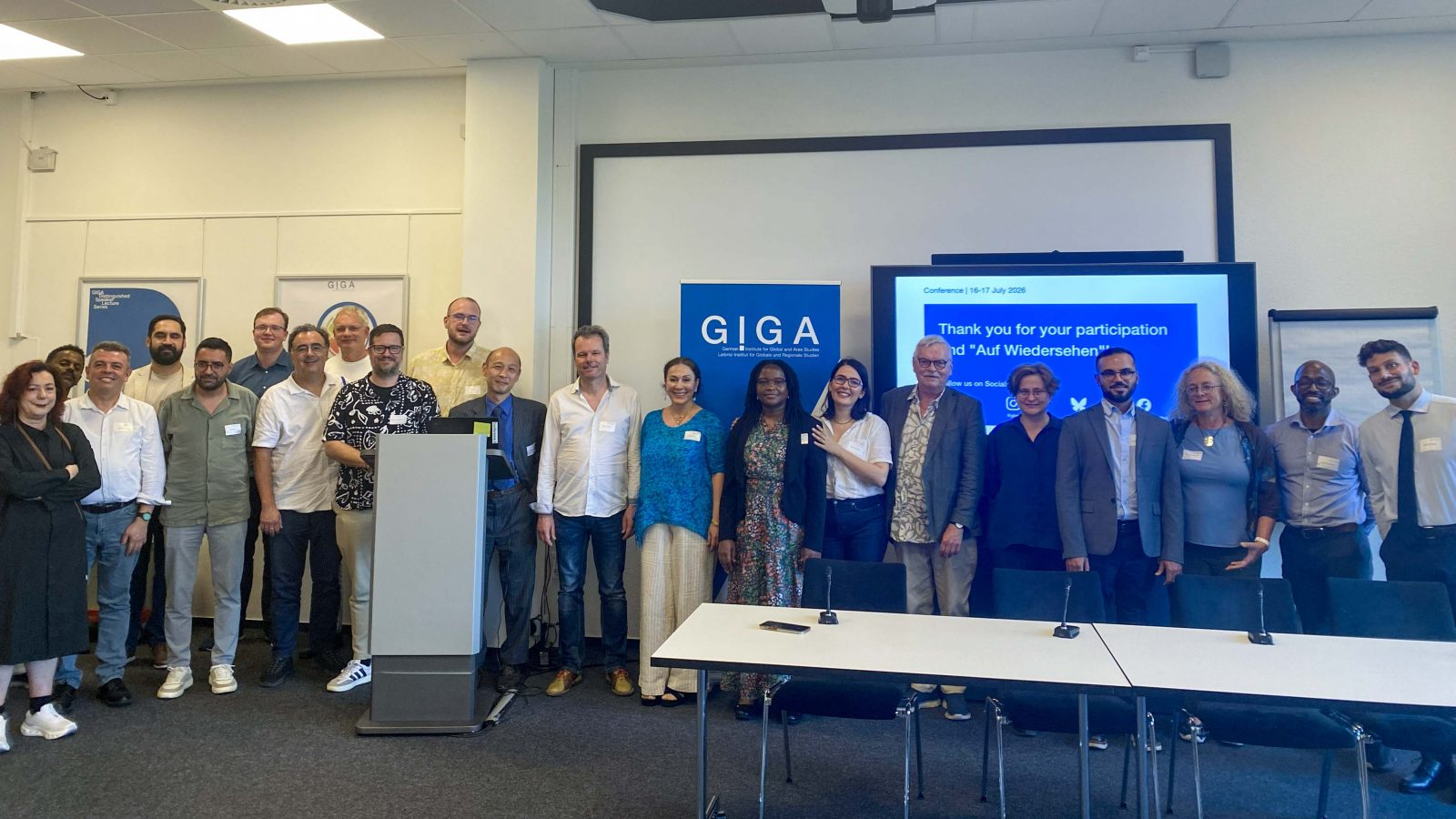
 Brock University Professor of History Behnaz Mirzai organized a conference titled “Entangled Histories: Slavery and its Legacies in the Indian Ocean, Mediterranean, and Middle Eastern Worlds” in partnership with the German Institute for Global and Area Studies and the University of Hamburg. The conference, which took place July 16 and 17 in Germany, gathered global researchers and policy-makers and addressed the history of slavery and its modern-day impact in the Middle East, areas around the Indian Ocean, the Mediterranean and Africa.
 Behnaz Mirzai is at the helm of international research shedding light on human rights and the history of slavery in coastal regions of the Middle East, Mediterranean and Africa and around the Indian Ocean.
The Brock University History Professor’s work on the Routes of Enslaved Peoples project — an international United Nations Educational, Scientific and Cultural Organization’s (UNESCO) initiative — explores the lasting impact of the forced migration of enslaved people throughout the modern world.
As appointed co-ordinator of the projects Preparatory Committee, she manages the UNESCO/Brock University project website in partnership with UNESCO, which acts as a home for the activities of the UNESCO network related to the African diaspora and the study of slavery and emancipation.
By exploring ethnicity, identity and cross-cultural issues, Mirzai aims to mobilize knowledge amongst scholars and policy-makers about former slave communities.
“I wish for a better world that is based on justice. As a Brock researcher and professor, I can help advance knowledge through education and bring networks of people together to examine, and share, deep insights into the complexity of the history of slavery and its global impact today,” she said.
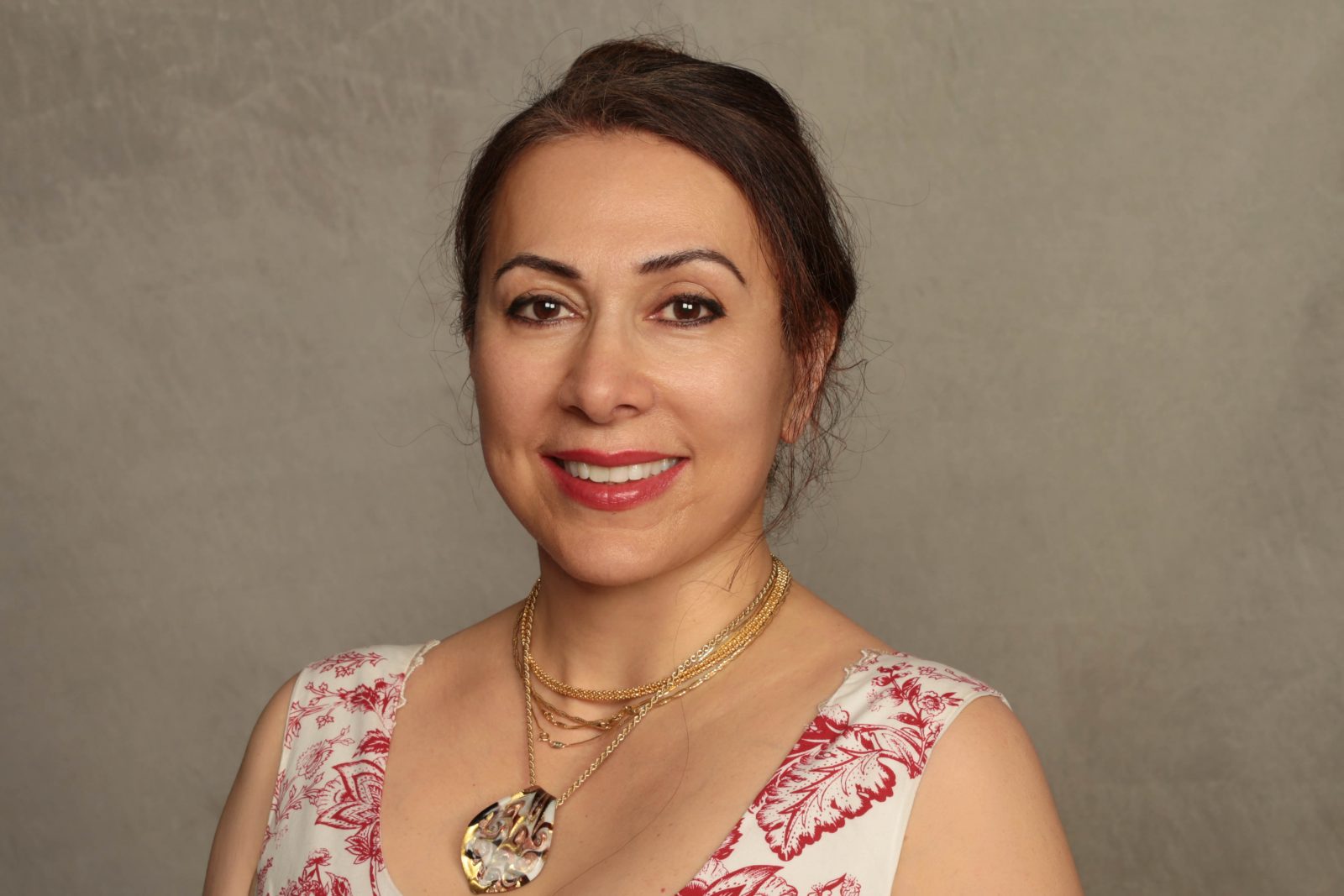
Brock University Professor of History Behnaz Mirzai
As part of the UNESCO project, Mirzai organized a conference entitled Entangled Histories: Slavery and its Legacies in the Indian Ocean, Mediterranean, and Middle Eastern Worlds in partnership with the German Institute for Global and Area Studies (GIGA) and the University of Hamburg earlier this year.
Myriam Cottias, President of the International Scientific Committee of the UNESCO Slave Route Project to deliver remarks at the event, which was supported by a Social Sciences and Humanities Research Council Connection Grant funded by the Government of Canada and the German government.
“Bridging intellectual activities and discussions on slavery and human rights between Canada and the global community was crucial, and we were grateful for the tremendous support received by German and Canadian governments as well as the University of Hamburg and GIGA,” Mirzai said.
For Mirzai, who moderated panels exploring human rights, slavery and the history of slavery in the modern period, the event offered a globally connected network of researchers and government bodies the opportunity to advance knowledge.
“We wanted to talk about why slavery hasn’t ended. We wanted to explore why we are still facing these issues by addressing the global conditions of modern slavery that more 50 million people are living in, in different forms,” she said.
A key outcome of the conference for Mirzai was making knowledge available to policy-makers who can effect change.
Next September, Mirzai will host a similar conference at Brock, bringing leading international researchers and policy-makers to campus to continue their scholarly work and advocacy — insights that will continue to populate the UNESCO/Brock project website.
“It will be honour to convene influential researchers here at Brock to continue advancing our mandate to spread knowledge, drawing on the rich insights that emerge as a result of a meeting of different global perspectives,” she said.