 Brock University Associate Professor of Recreation and Leisure Studies Garrett Hutson sheds light on summer recreation choices and patterns amid heat.
There’s a popular activity making its way onto Canadians’ to-do lists this summer: unplugging outdoors.
In a world saturated by screen time and technology, more people are putting down their devices and spending time outside, says Brock University Associate Professor of Recreation and Leisure Studies Garrett Hutson.
“There is a growing movement geared towards embracing nearby nature: your backyard, your local trail or the park down the street,” he says.
While people have always used outdoor spaces for exercise and to connect with nature, they’re now also using them to combat the negative effects of screen time, Hutson says.
“Research shows specific segments of the population, such as Gen Z, which has been ‘plugged in’ more than any other generation, are turning to nearby nature more often to offset the negative health impacts of being plugged in all the time.”
The outdoor recreation researcher sees the shift as more than a fad but part of a broader reassessment of how people spend their leisure time and what they need to support their well-being.
Although research continues to examine the negative physical and mental health impacts of screen time, social media and constant connectivity, Hutson believes many people are coming to their own conclusions based on lived experience.
“Deep down we know we’re not wired to consume this amount of information at this speed for the extended periods of time we’re exposing ourselves to,” he says. “I think people are starting to understand the positive impacts of not only unplugging but doing so outdoors socially, such as with family and friends.
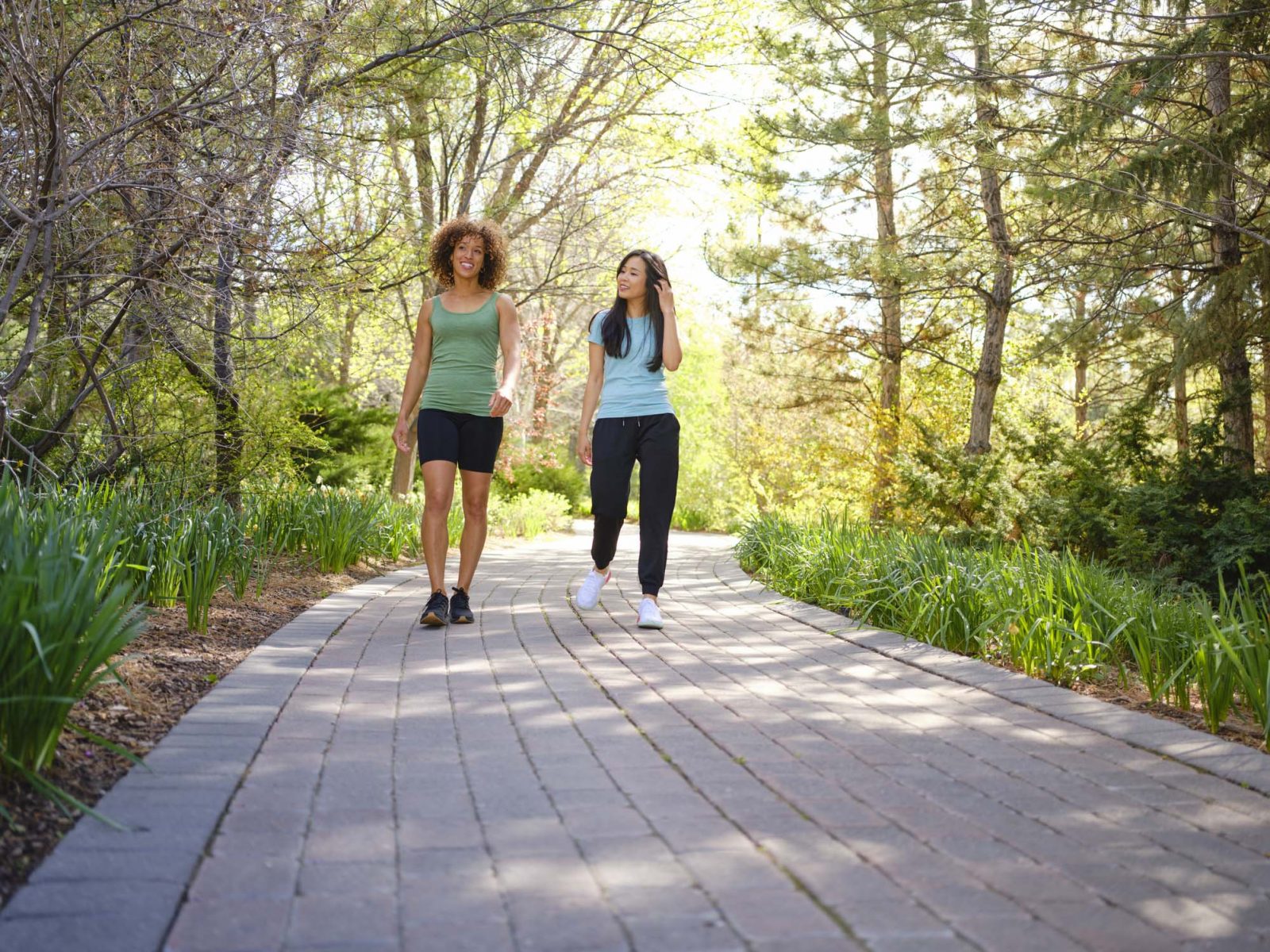
“We’re starting to authentically reconnect with unplugged experiences and see first-hand that life is better without the constant sounds, badges, notifications and apps stealing attention and directing it to things that largely don’t matter. Compare how it feels to doomscroll on your phone alone with walking in the forest with a friend, and that’s all the proof you need.”
The demand for outdoor experiences has only grown in the age of digital overload. However, time outside isn’t without its own obstacles.
Canada’s summer outdoor recreation season is increasingly being affected by prolonged periods of extreme heat, poor air quality and wildfire smoke, creating new challenges for individuals and organizations alike. On July 15, for example, Toronto’s air quality was among the worst in the world due to heat and wildfire smoke from northwestern Ontario.
“People are trying to reconnect with nature, and they’re trying to unplug,” Hutson says. “But climate change is pushing back.”
As temperatures rise, outdoor activity patterns are changing.
More people are shifting their outdoor recreational activities, such as running, cycling and walking, to early mornings and evenings to avoid the midday heat. Outdoor swimming pools, especially in big cities, are also extending their hours deep into the evenings during heat waves to help cool people down.
Outdoor education programs, camps and community organizations are also adapting their approaches to manage heat and weather-related risks, reconsidering scheduling, activity duration, shade access and cooling opportunities for participants as demand grows.
“Techniques are changing in terms of what we do, how long we want participants out in the elements and whether we need more activities under cover or out of direct sunlight at certain times of the year,” Hutson says.
Despite the challenges of enjoying time outdoors, he says the benefits of unplugging and connecting with nearby nature remain strong and intuitive.
“At the heart of nature-based recreation is joy,” he says. “As digital pressures and burnout continue to be commonplace, it’s important for people to develop strategies to find balance. Part of that can be as simple as a 10-minute lunch walk outside with a colleague without any of your electronic devices.
“It’s a ‘getting back to basics’ approach to maintaining and improving our physical and mental health. At a deeper level, I think it’s a re-evaluation of what kind of life we wish to live.”