 Brock University Cool Climate Oenology and Viticulture Institute (CCOVI) Director Debbie Inglis and CCOVI Senior Scientist Jennifer Kelly, co-wrote an article published in the online journal Open Access Government discussing ways to improve the performance of grapevine material in Ontario.
The latest in a series of articles from Brock University’s Cool Climate Oenology and Viticulture Institute (CCOVI) outlining ways to boost Canada’s grape and wine sector is now published in the online journal Open Access Government.
In their article, Professor of Biological Sciences and CCOVI Director Debbie Inglis and CCOVI Senior Scientist, Oenology Jennifer Kelly discuss ways to improve how grapevine material performs under cold winter temperatures and wetter, more humid conditions in Ontario.
“This includes identifying cultivars that offer stronger tolerance to environmental stress while ripening earlier and more reliably, giving growers a practical advantage in a region where harvest timing can strongly influence both risk and quality,” says the article.
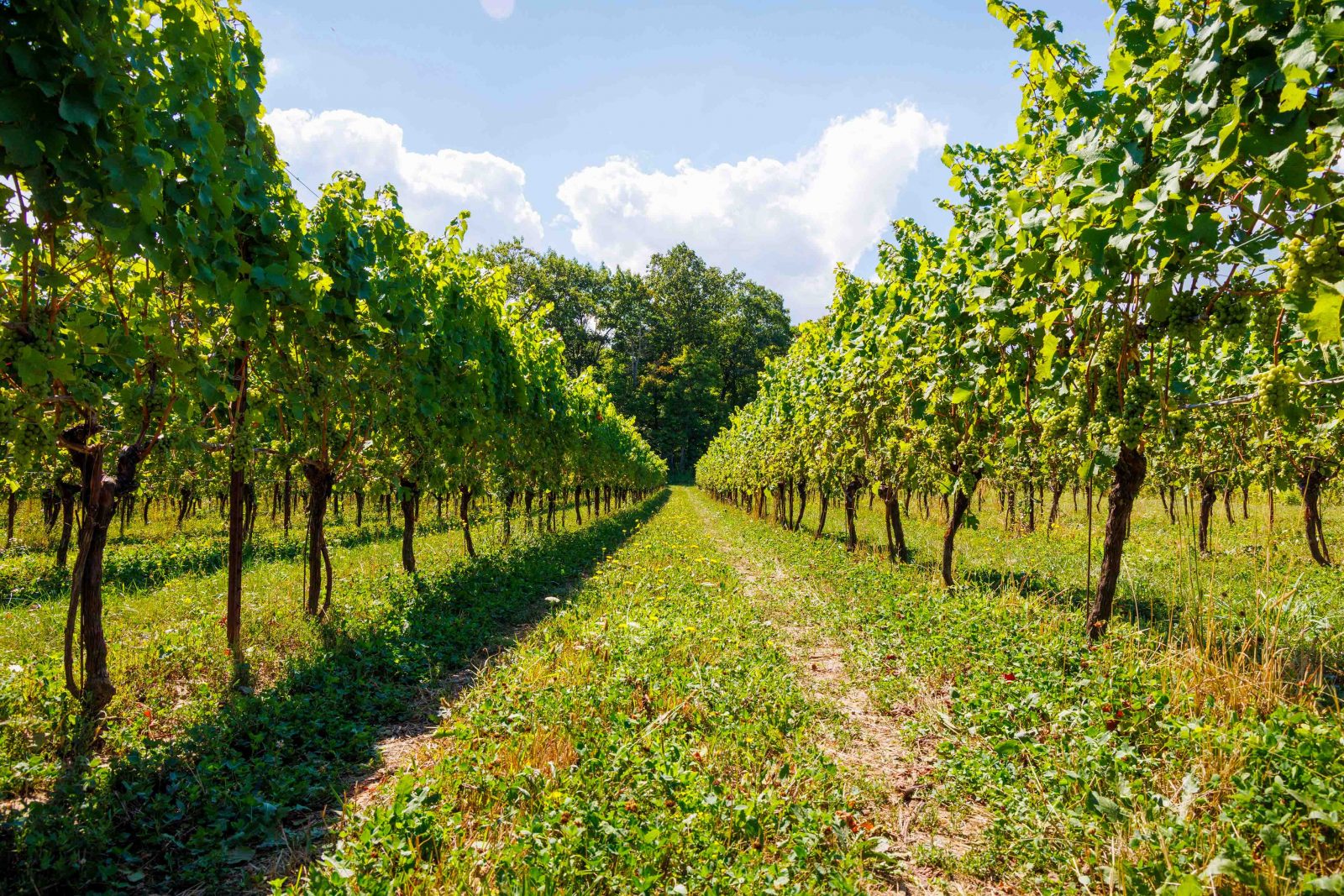
Key to enhancing resilience is having a domestic supply of clean grapevines and new rootstocks able to resist winter injury and incidents of fruit rot and pests arising from the province’s weather conditions, says the article.
The piece follows an earlier article about VINO Solutions, a multi-institutional project led by Inglis that is developing new viticultural and oenological approaches to help the industry combat threats from climate change.
VINO Solutions is one of several Brock-led innovative sustainable agriculture research projects. Another, the Clean Agriculture for Sustainable Production (CASP) initiative, is building on Brock’s Clean Plant Program to help ensure Canada’s grape and wine industry has access to healthy grapevine material.
CASP research will take place on the multi-institutional Brock University Norris W. Walker Research Farm. Funding the work is the Ontario Research Fund Research Excellence grant and other federal and provincial programs.
Read the full article on the Open Access Government website.