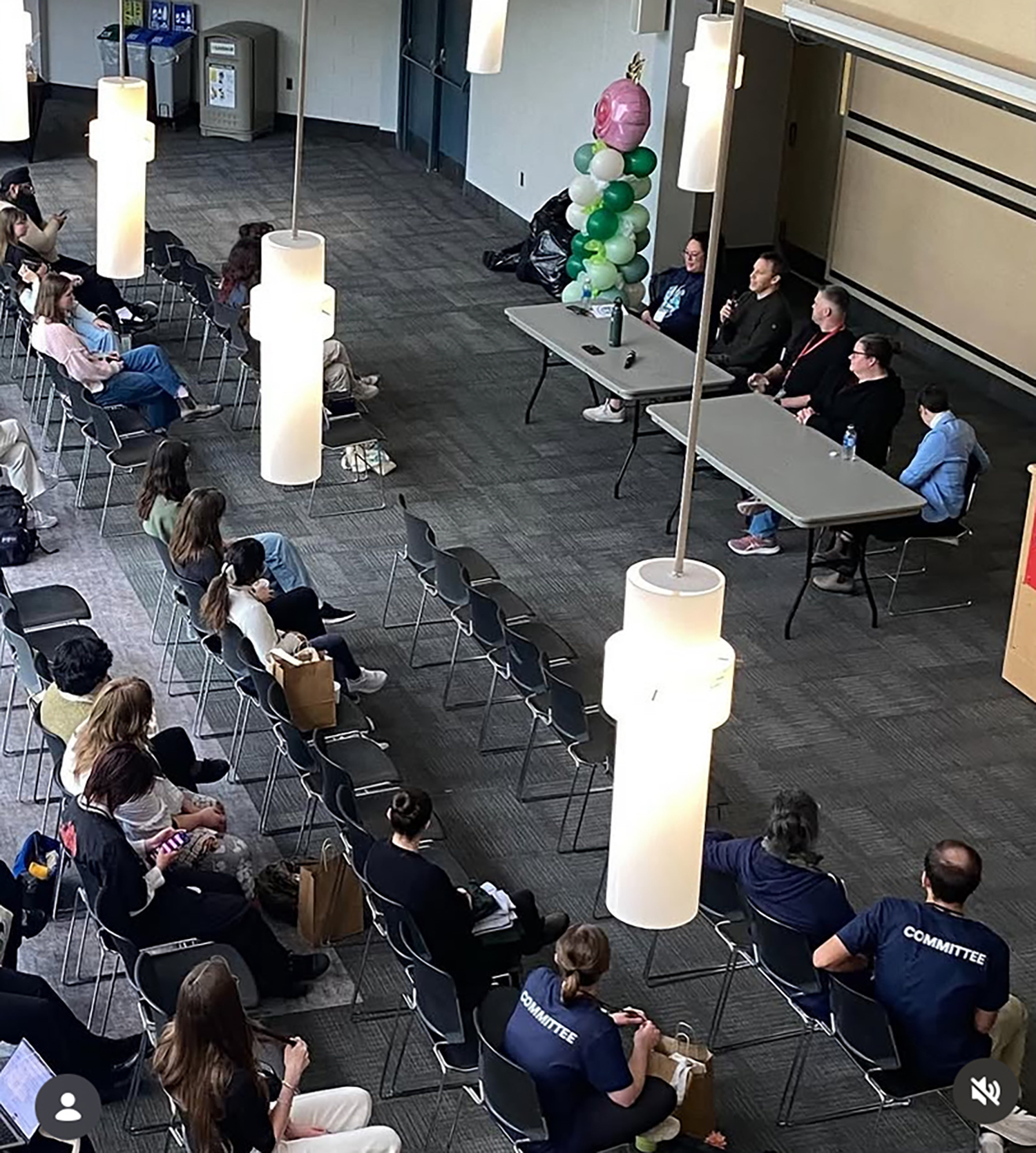
 The Ontario Ecology, Ethology and Evolution Colloquium (OE3C) recently returned to Brock University for the first time in 20 years, bringing together emerging ecology, ethology and evolutionary biology researchers from across the province.
 The Ontario Ecology, Ethology and Evolution Colloquium (OE3C) recently returned to Brock University for the first time in 20 years, bringing together emerging ecology, ethology and evolutionary biology researchers from across the province.
The annual event rotates to different Ontario universities and is led entirely by graduate students with support from faculty advisors.
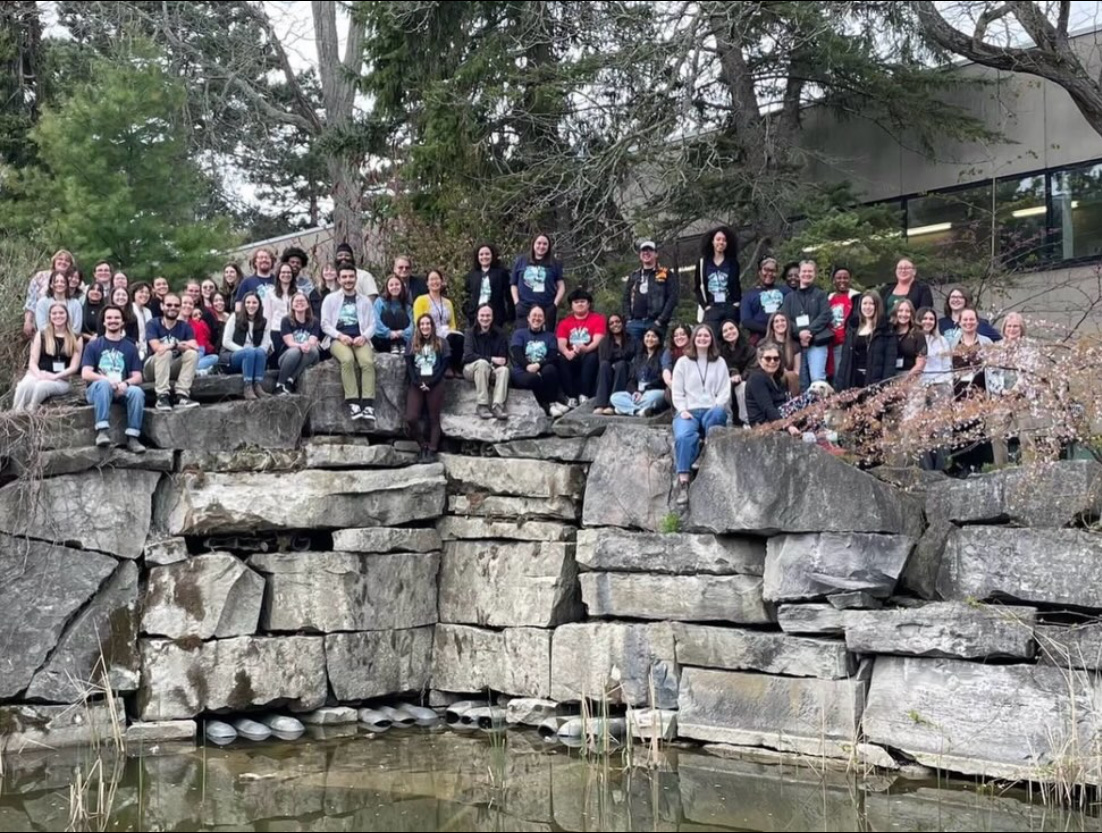
The year’s conference, which took place from April 30 to May 2, explored the theme of “Co-existing Within Nature.” About 90 delegates participated in the event.
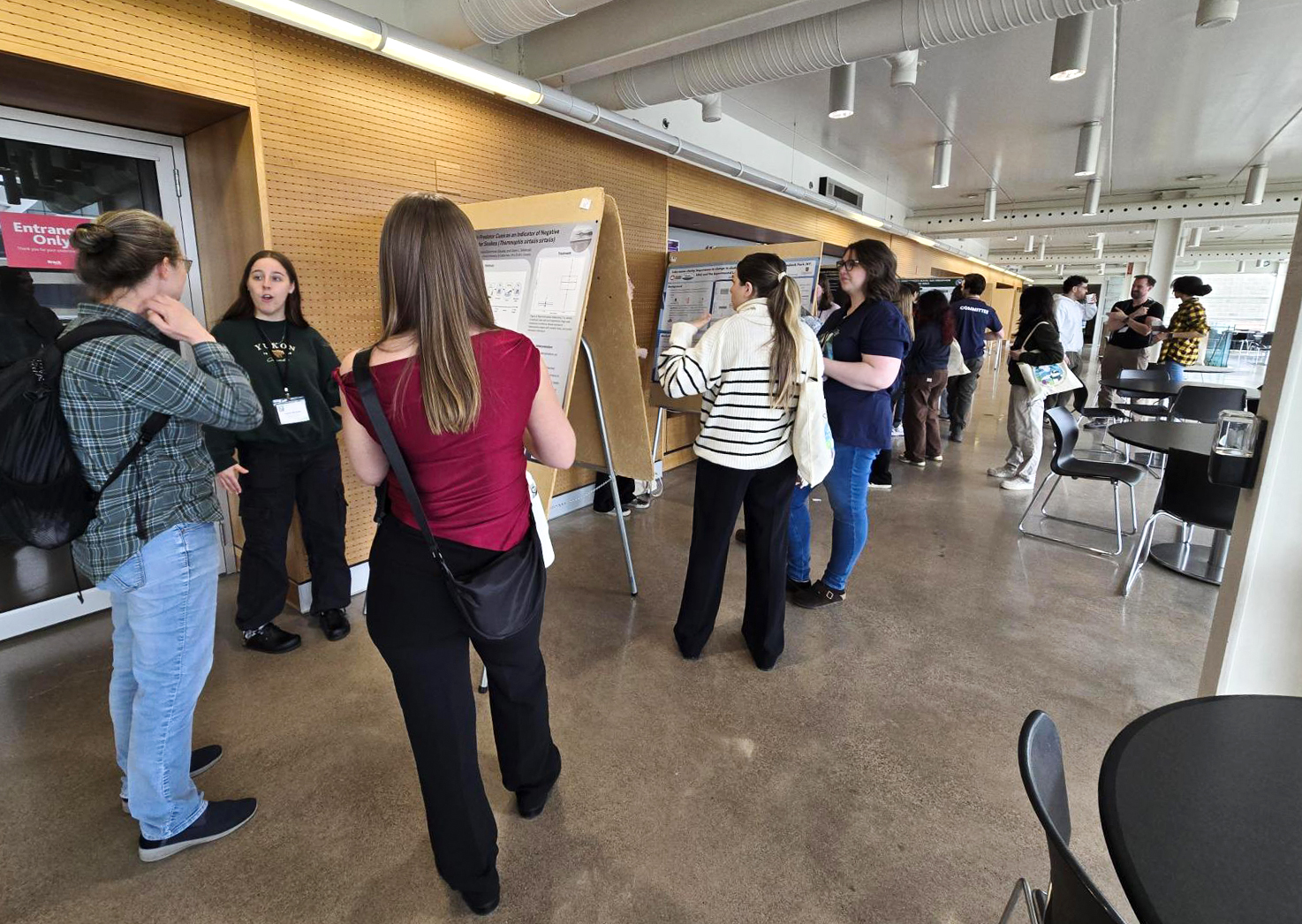
“The conference offered valuable opportunities for emerging researchers to present oral presentations, posters and lightning talks,” said PhD candidate in Biological Sciences Alex Wilder, OE3C Co-Chair and Graduate Mathematics and Science Students (GRAMSS) President.
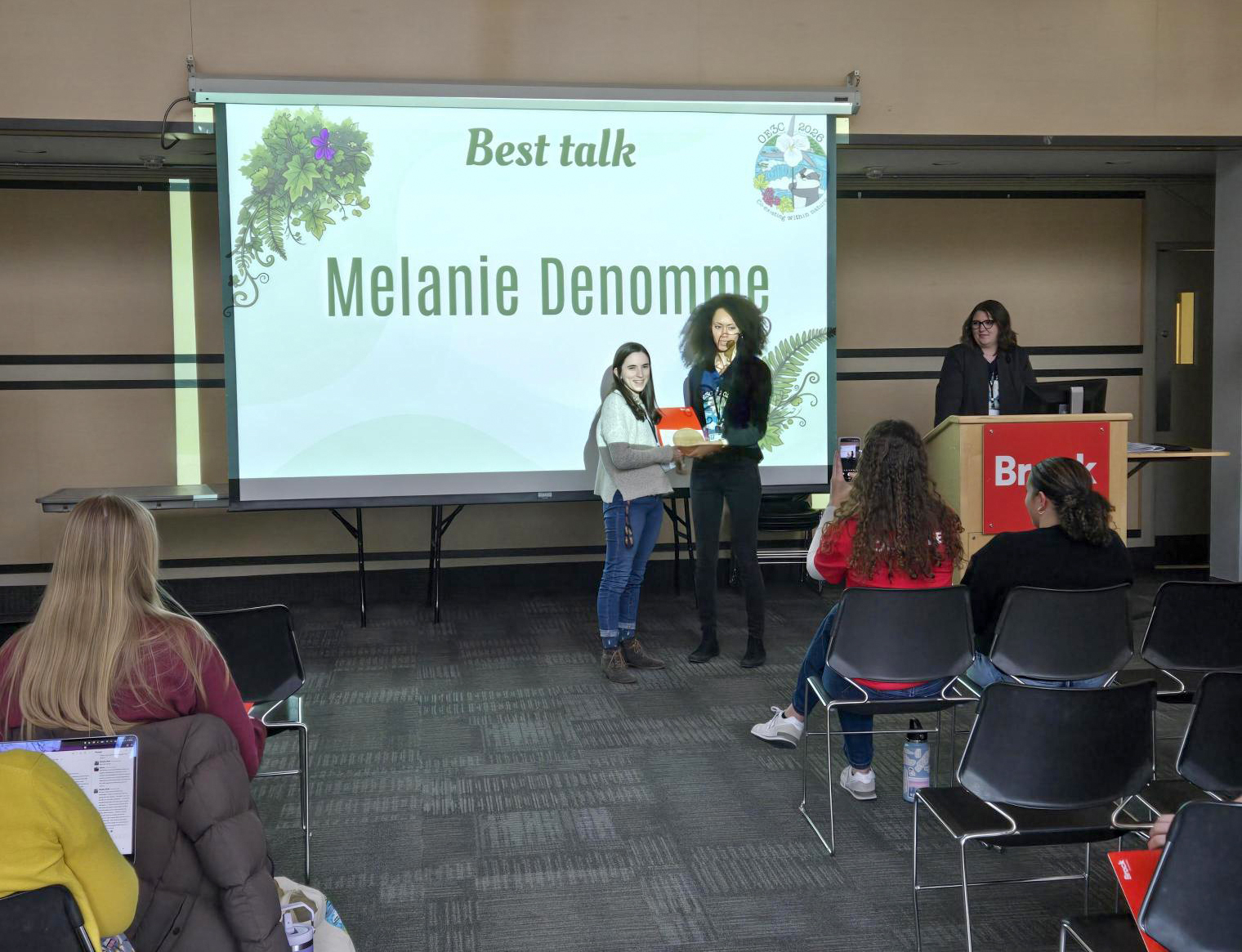
Brock Biological Sciences students had the opportunity to share their research at the conference, with Wilder presenting on how Humboldt penguins could use scent cues to recognize mates, master’s student Sarah Hein (BSc ’23) presenting on seasonal drivers of jack pine growth, PhD candidate Lyllian Corbin (BSc ’19) presenting on how hormones influence aggression in easter carpenter bees, and PhD candidate Nicholas Benton (MSc ’24) presenting on how sugar sources affect mosquito survival and reproduction. Biological Sciences PhD graduate Melanie Denomme was awarded best talk for her research on how repetitive enclosure interactions in bearded dragons could improve understanding of reptile welfare.
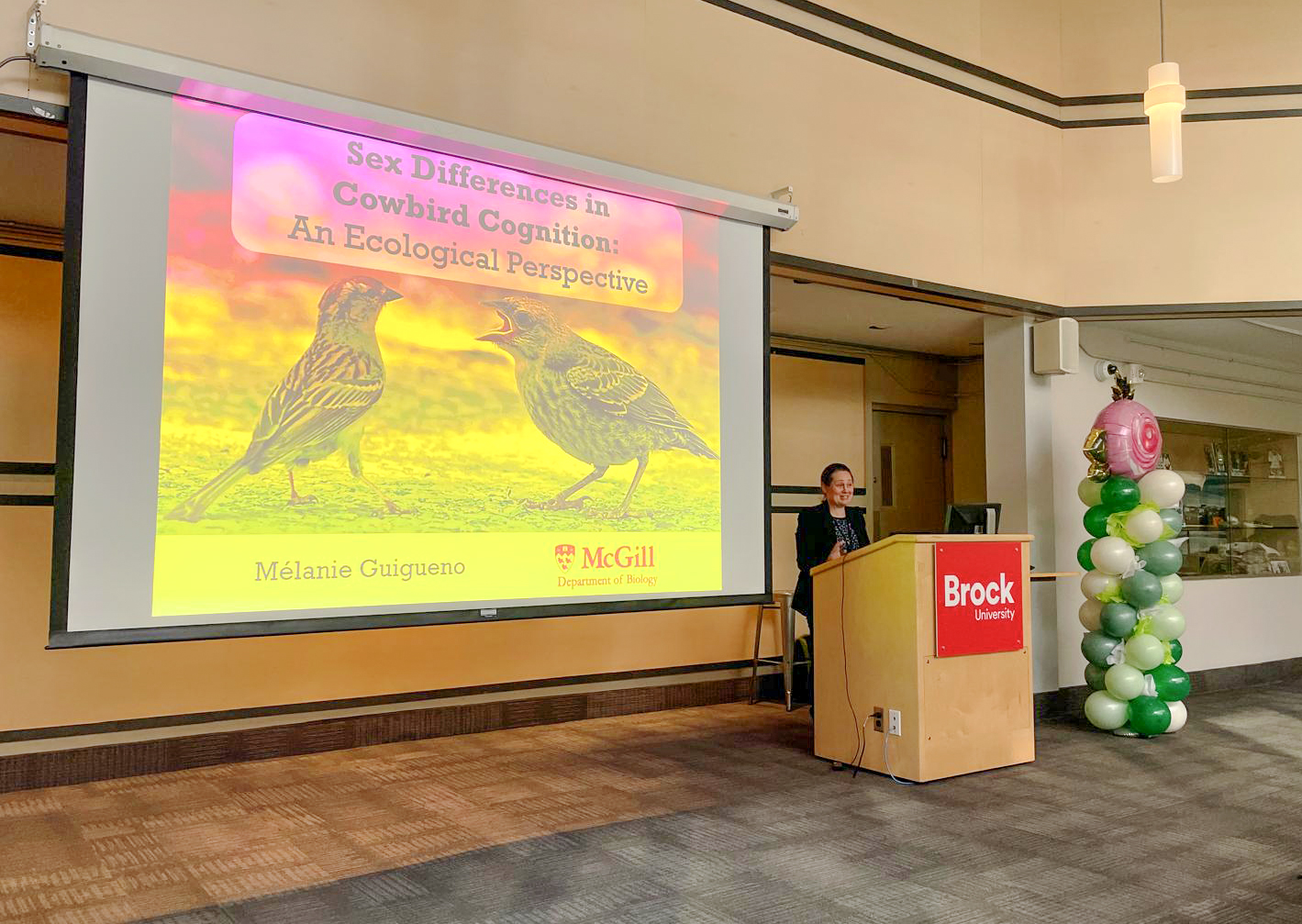
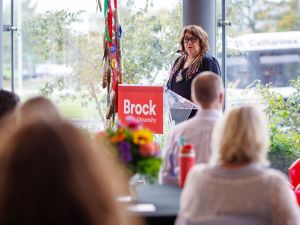
Participants also heard from plenary speakers Nancy Chen, University of California, Los Angeles; Mélanie Guigueno, McGill University; and Jesse Popp, University of Guelph.
“Hearing from experts like Dr. Chen, Dr. Guigueno and Dr. Popp is a wonderful opportunity for emerging scholars as they begin to shape the future of ecology, ethology and evolutionary biology research,” says Peter Berg, Dean of the Faculty of Mathematics and Science.
Delegates also participated in workshops, networking events, a photo contest that had more than 100 entries, and outdoor activities, including hiking along the Niagara Escarpment and Glenridge Quarry.
Conference workshops focused on a variety of topics, from photography to podcasting for knowledge mobilization to coding genetic algorithms for ecological, evolutionary and ethological problems.
Award-winning broadcaster and Indigenous scholar Karl Dockstader — a member of the Oneida Nation, Bear Clan — was invited to participate in the opening and closing ceremonies, reflecting the event’s commitment to community, land and environmental stewardship.
The closing banquet included a presentation from award-winning photographer Mark Zelinski on his new book of photographs from the Niagara region.
The conference will be held at York University next year.