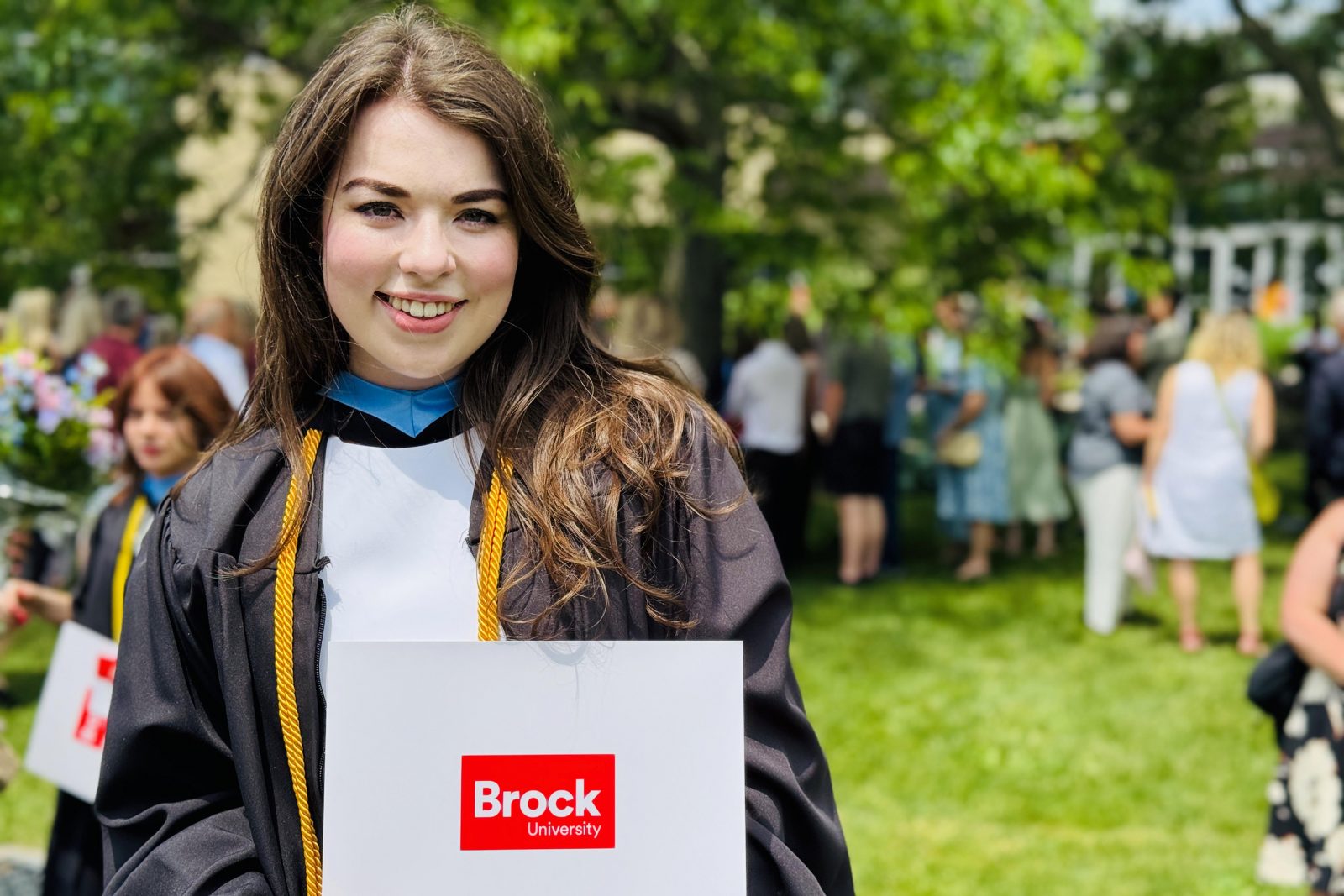
 Maisyn Kwinecki (BA ’26, BEd ’26) graduated on Thursday, June 11 during Brock University’s 119th Convocation.
 Maisyn Kwinecki (BA ’26, BEd ’26) is launching her teaching career fuelled by the belief technology can reduce barriers and create more equitable learning opportunities for all.
Kwinecki was part of first cohort of Brock Concurrent Teacher Education students to specialize in Interactive Arts and Science, recently renamed Interactive Arts and Digital Media (IADM). She and her peers graduated on Thursday, June 11 during the University’s 119th Convocation.
“My biggest takeaway from Brock is a greater awareness of how influential technology can be in shaping the way students learn, communicate, create and interact with the world around them,” she said.
As someone who has always had a passion for technology and interest in teaching, the combination of IADM and teacher education was a natural fit for Kwinecki.
The program focuses on the intersection of digital technologies and the humanities, preparing the next generation of educators to be digital media innovators in their field.
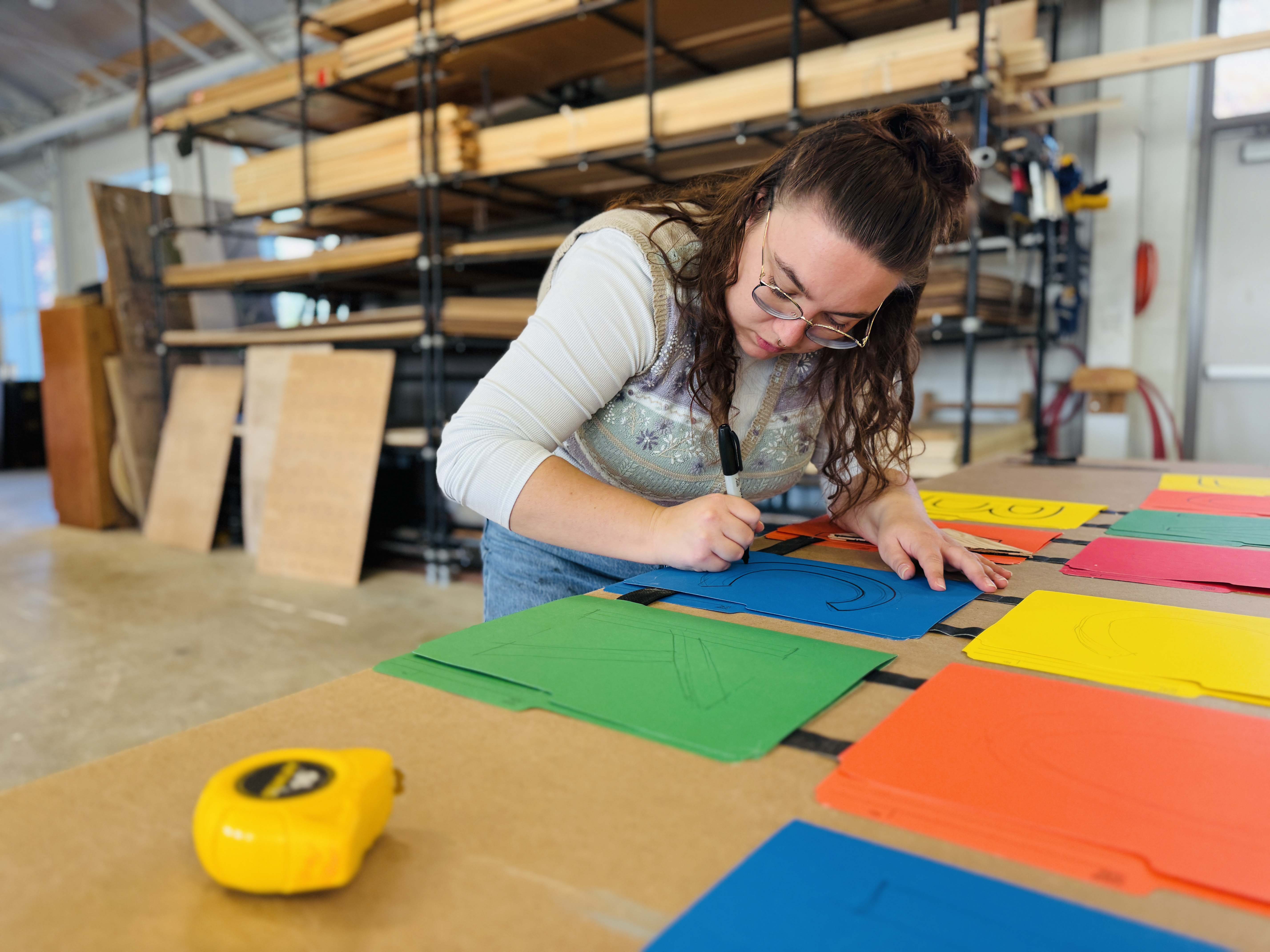
IADM students develop a robust digital literacy, exploring issues related to representation, accessibility and the broader social impacts of media. Students also gain hands-on skills through collaborative projects related to technologies like augmented or virtual reality, 3D modelling and printing, video games and more.
Many of Kwinecki’s courses were rooted in the digital humanities, which she said allowed her to “explore concepts like the intentional design of digital platforms and how they can influence children’s self-esteem, identity, sense of belonging and perceptions of the world around them.”
“These experiences reinforced my belief that educators and child advocates need a strong understanding of the digital spaces students inhabit so we can help them navigate those spaces responsibly,” she said.
For Kwinecki, technology is also a powerful tool in increasing accessibility in education.
“As someone who greatly values differentiated instruction and structured flexibility, I see digital tools as essential resources for students with learning disabilities and other diverse learning needs,” she said.
David Hutchison, Professor of Educational Studies and Digital Humanities, said the program is unique. Instead of focussing on individual subject areas like math or science, the combined IADM and teaching programs span many teaching disciplines.
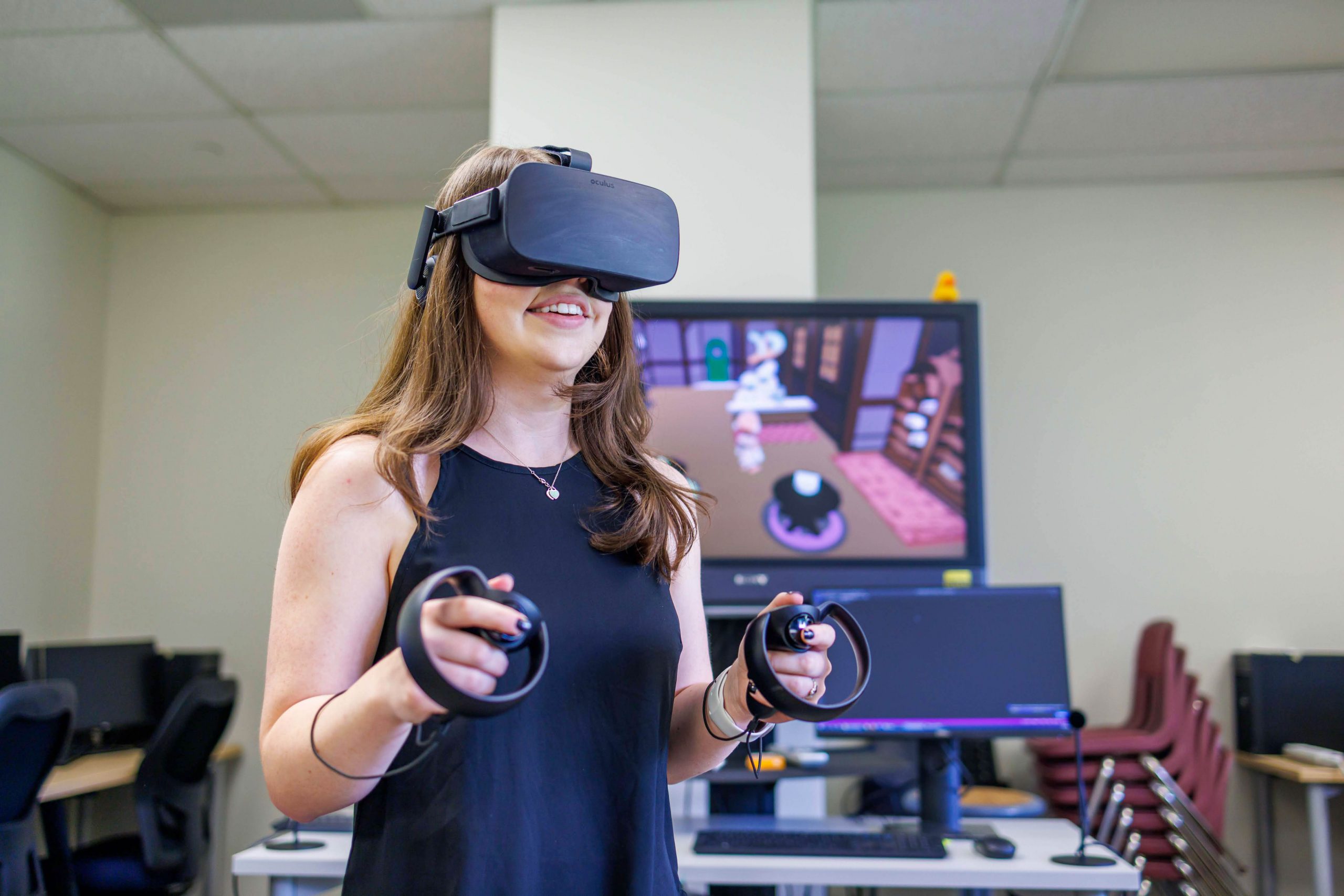
Maisyn Kwinecki (BA ’26, BEd ’26) was part of the first Brock Concurrent Teacher Education cohort to specialize in Interactive Arts and Science.
Hutchison said that graduates not only have a sound theoretical foundation and technical competency, but they are destined to become innovators in the schools they work in, adding that many graduates will be the teachers colleagues turn to for help integrating new technologies into the classroom.
“These graduating teacher candidates are skilled experts in curriculum design, but they’ve also reflected deeply on the use of technology in education — they are on the cutting edge of artificial intelligence and wearable technologies, to name just a few program foci,” he said.
Not only are technological skills essential for teaching in today’s classrooms, Hutchison says, they also support students and families across their entire school journey.
“Many schools and classes use websites and digital portals for parent communications and students’ project-based work. Our graduates are prepared to offer expertise and guidance on best practices related to online technologies,” he said.
They will also keep schools on the cusp of emerging technologies and related ethical issues, Hutchison said.
“Graduates of Brock’s IADM Teacher Education program are deeply prepared to wrestle with the challenging ethical questions that arise when teachers explore the pedagogical potential and risks of the latest technologies, including artificial intelligence.”
As Kwinecki enters the teaching profession, she feels well prepared to integrate technology into her teaching in ways that genuinely support student learning.
“Looking back, Brock provided more than academic knowledge; it gave me a community that fostered both my professional growth and my confidence in the kind of teacher I want to become.”