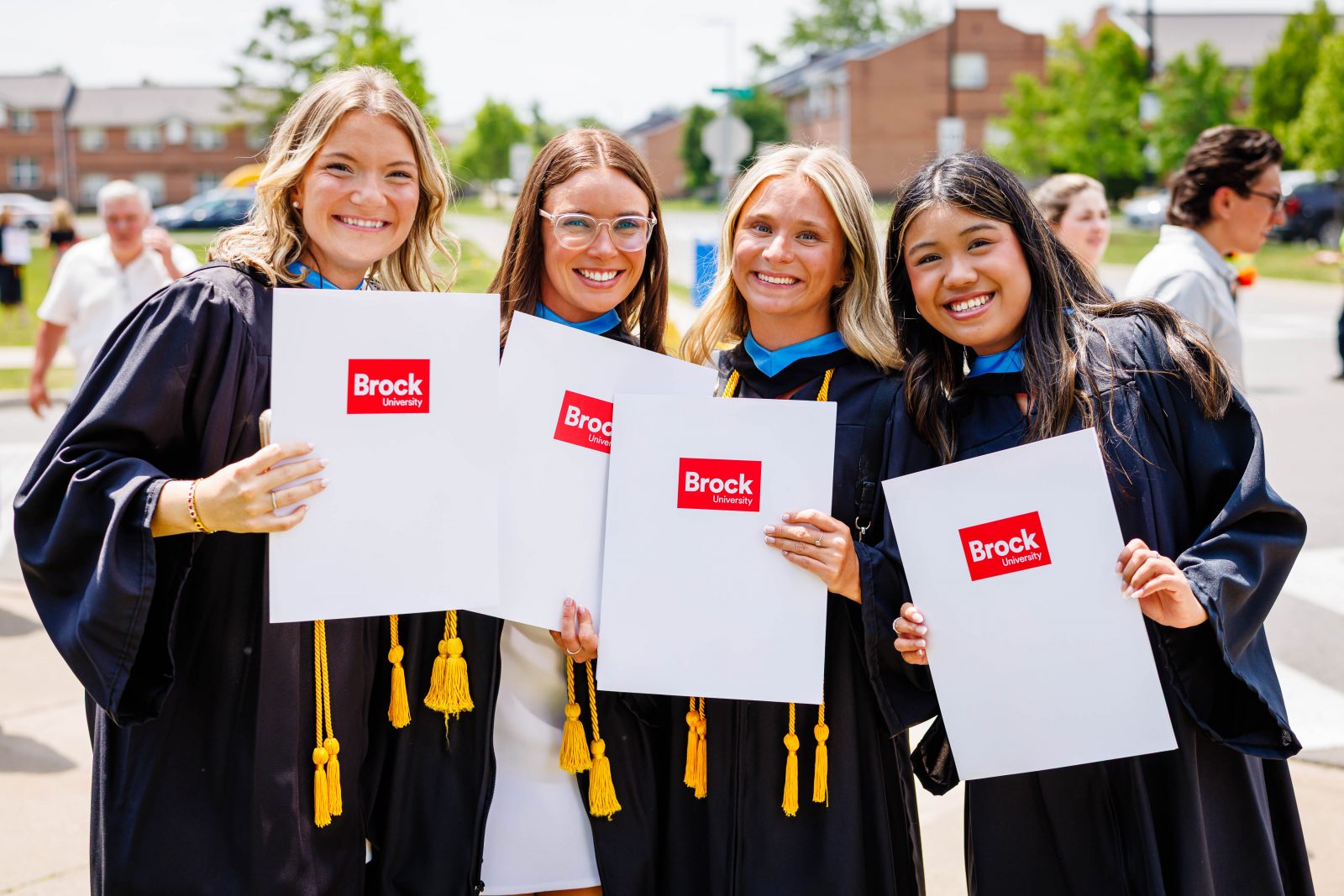
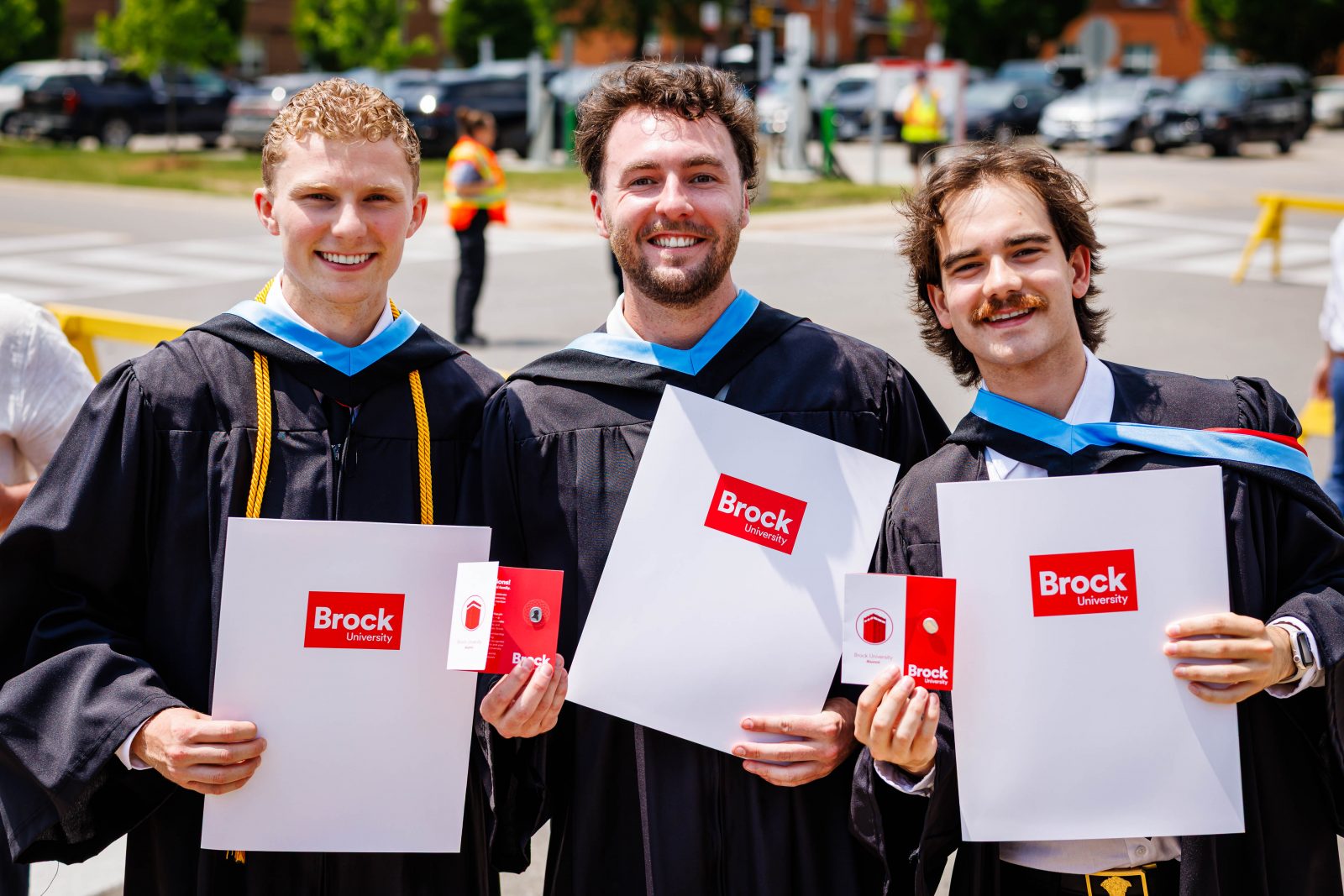
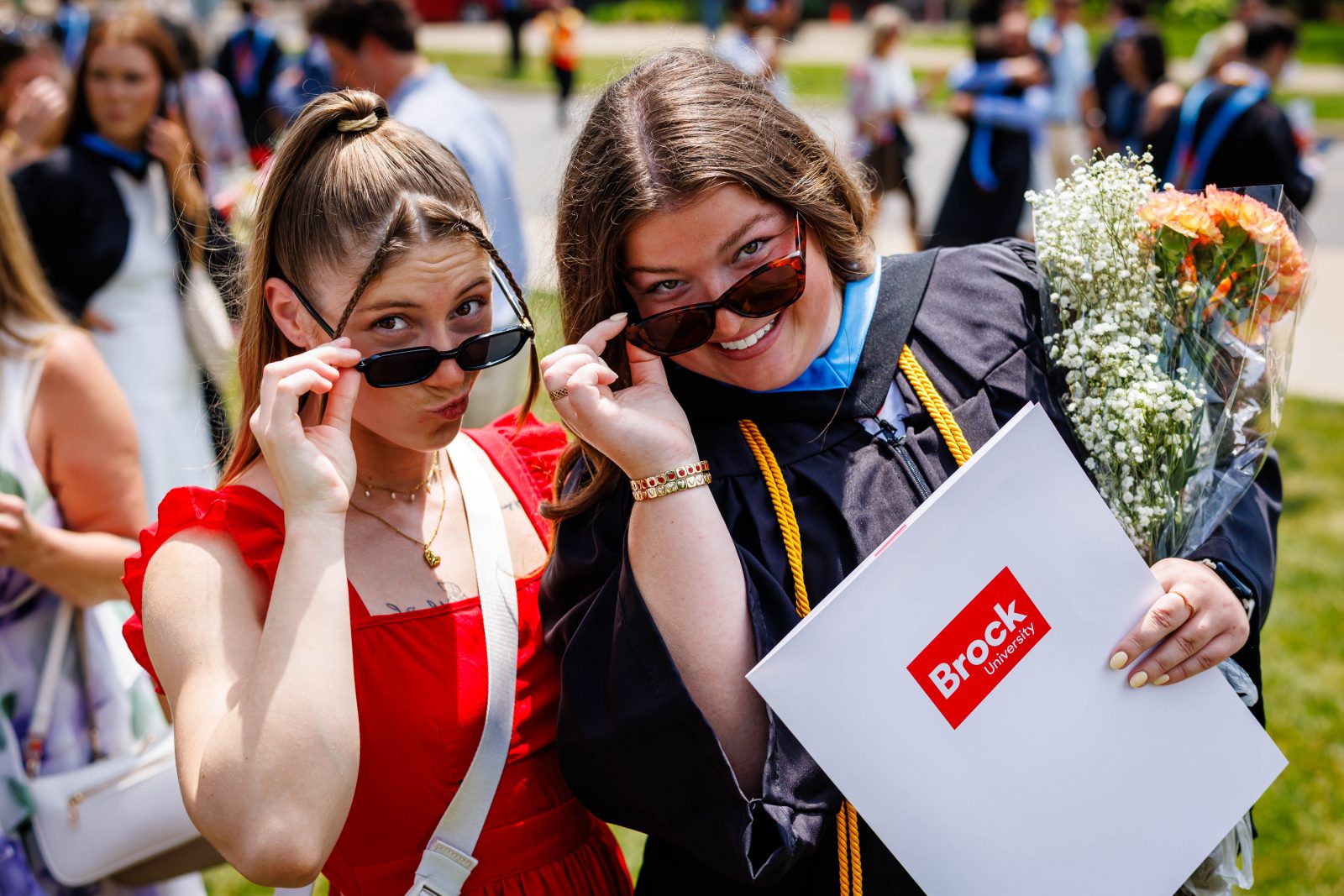
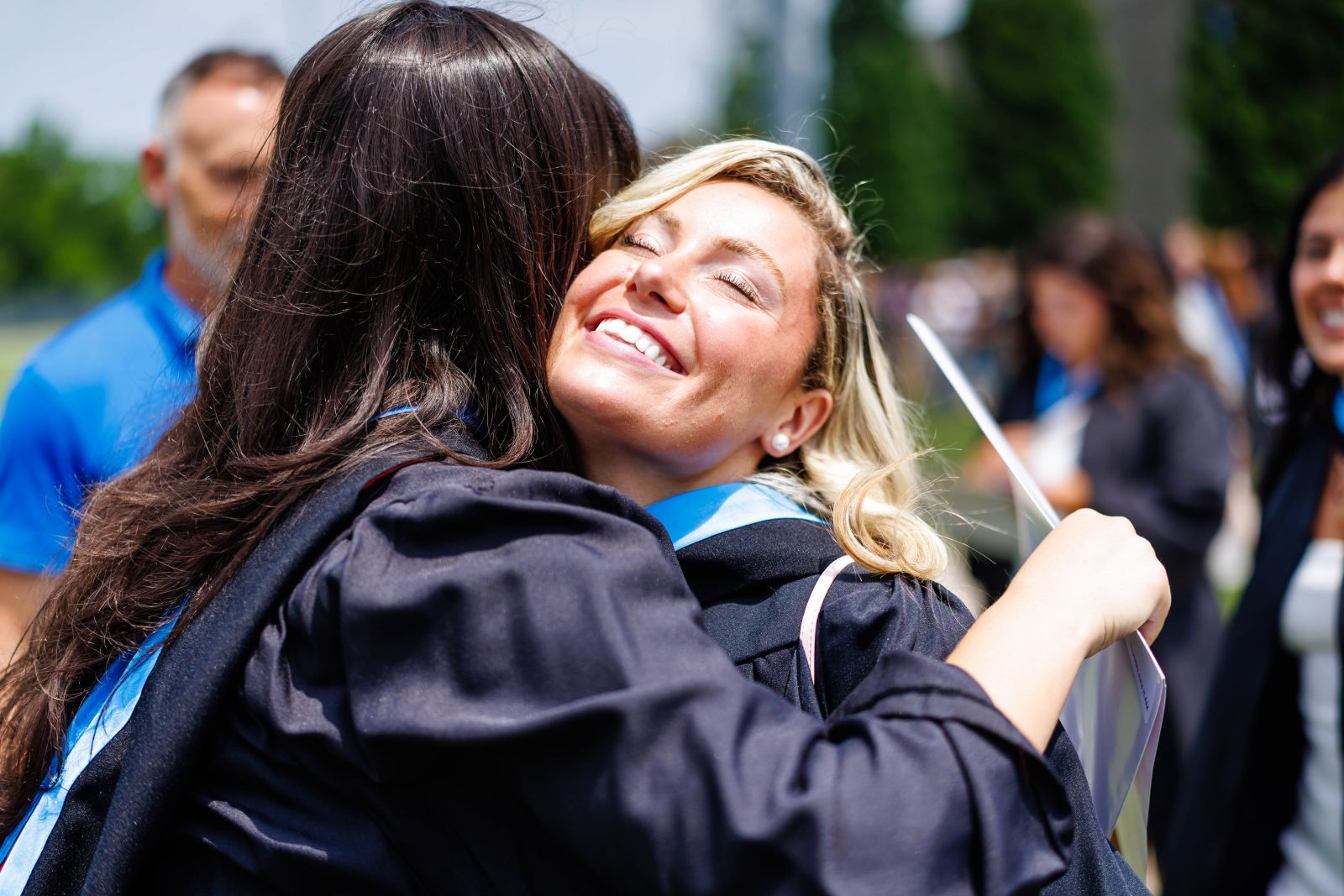
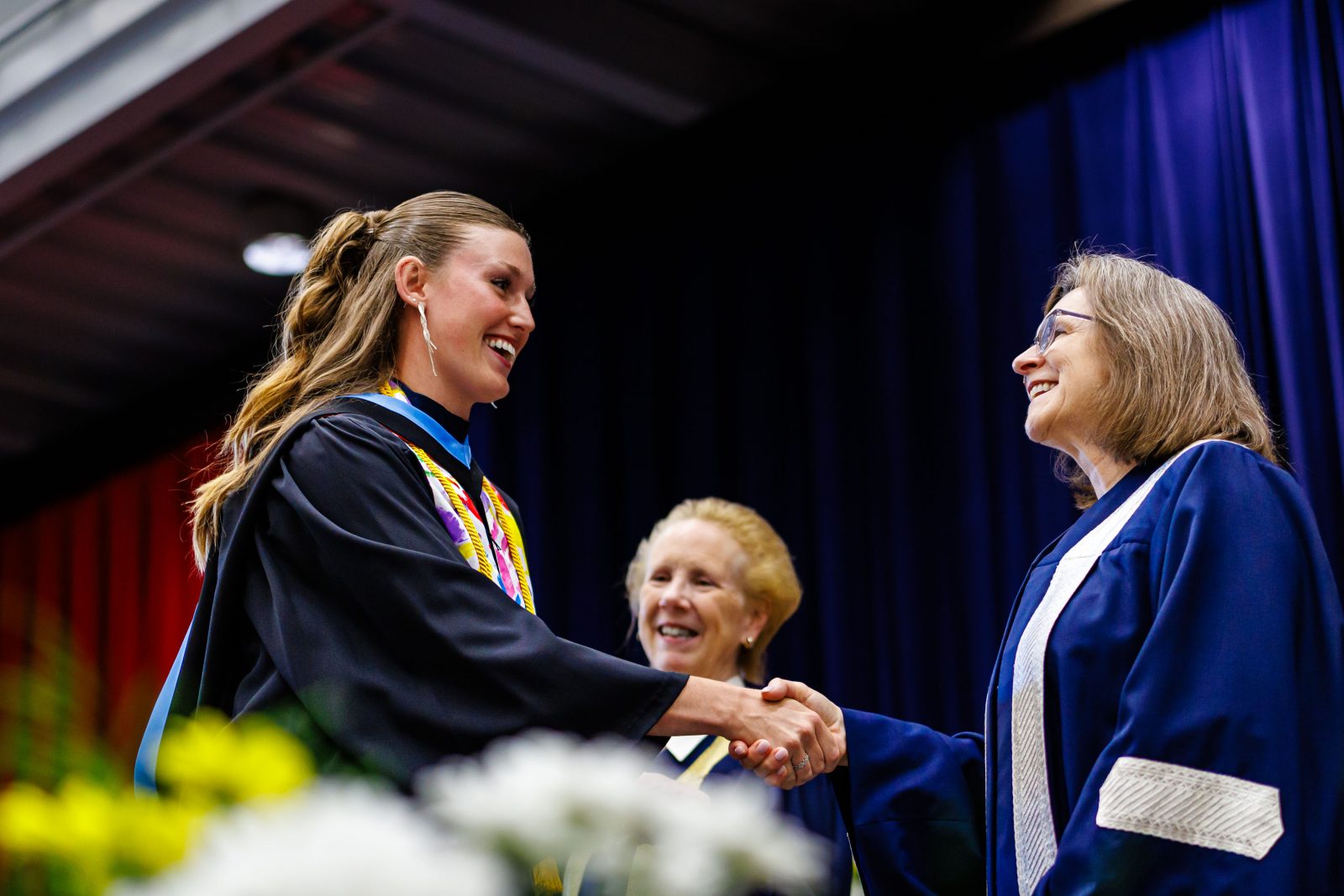
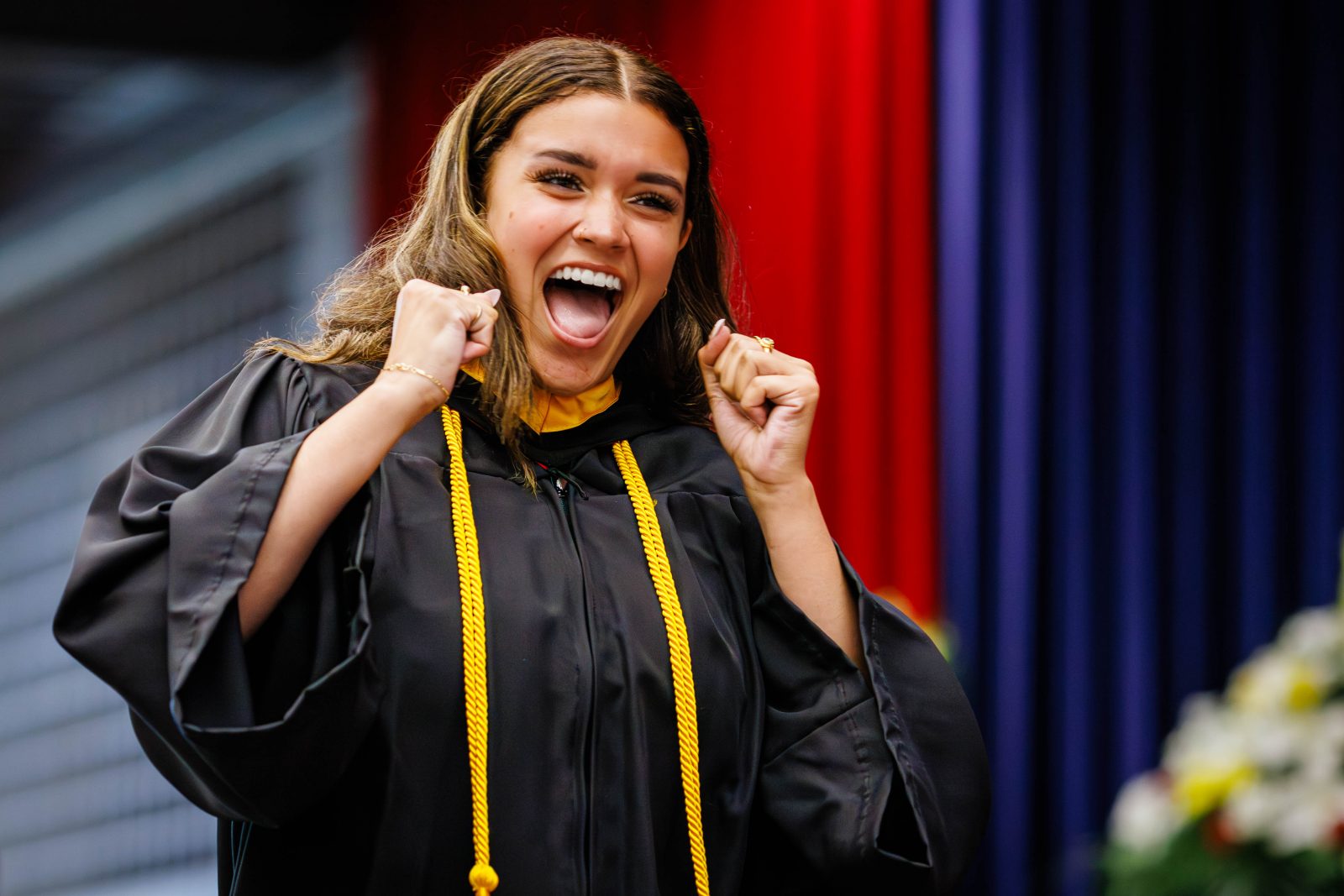
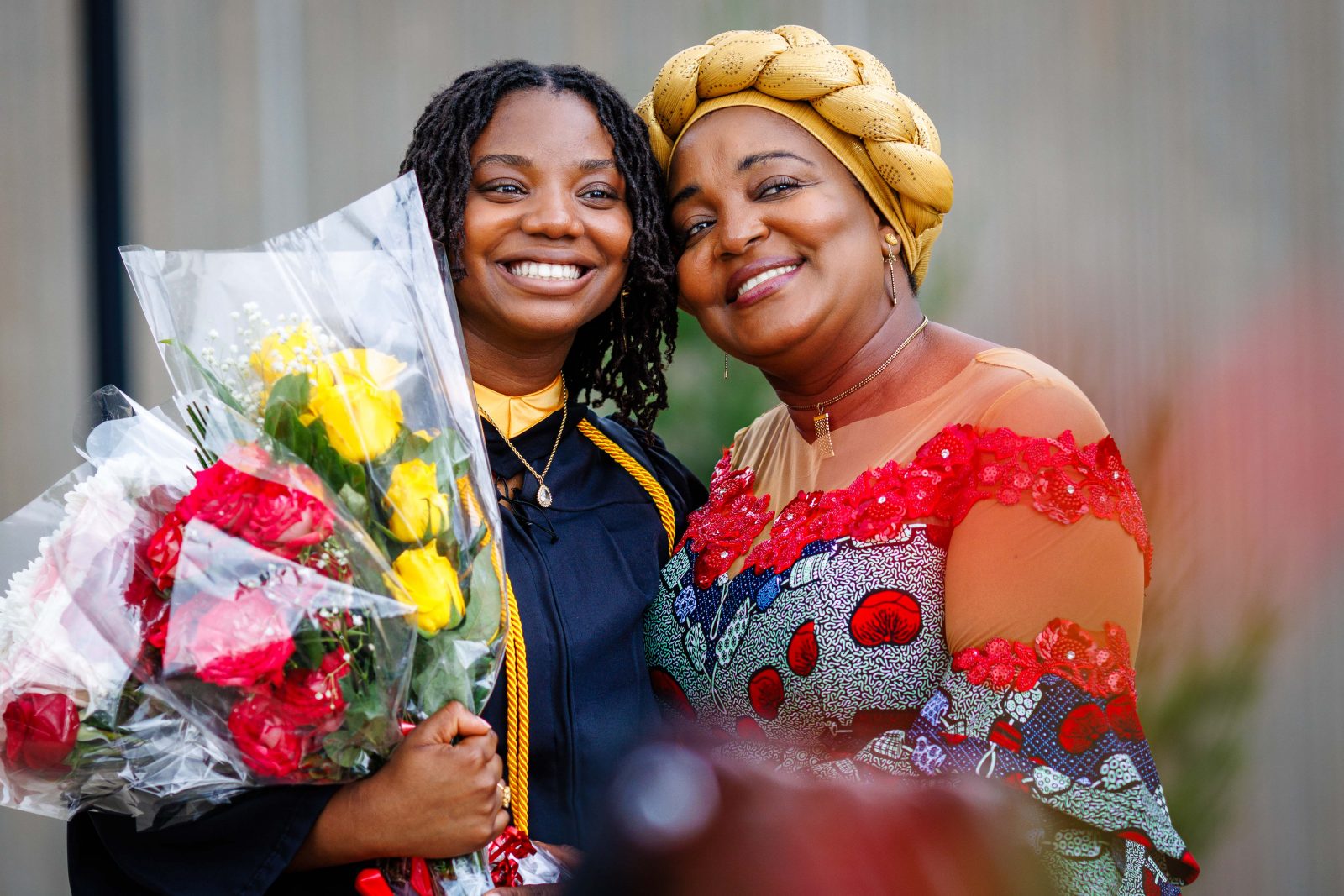
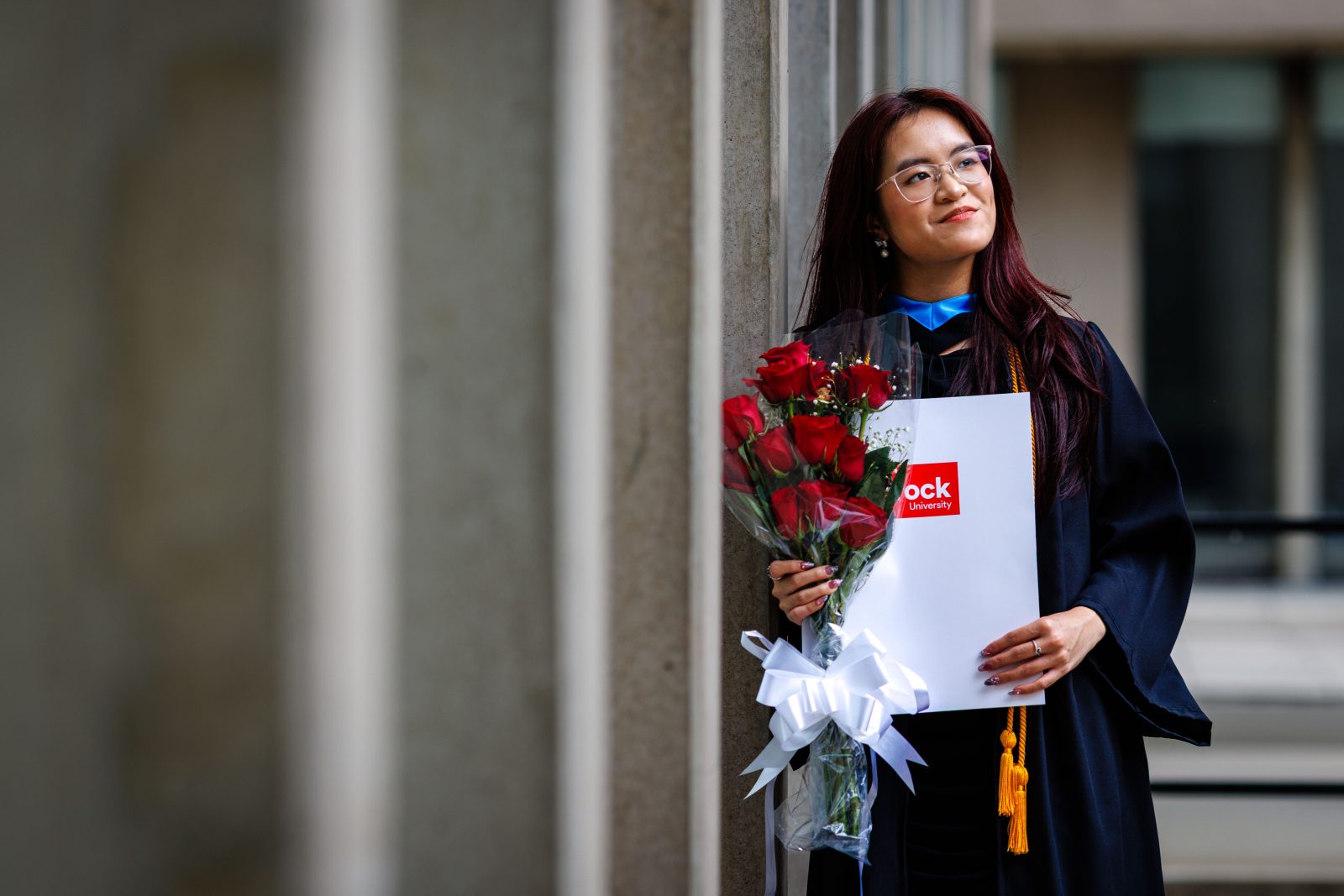
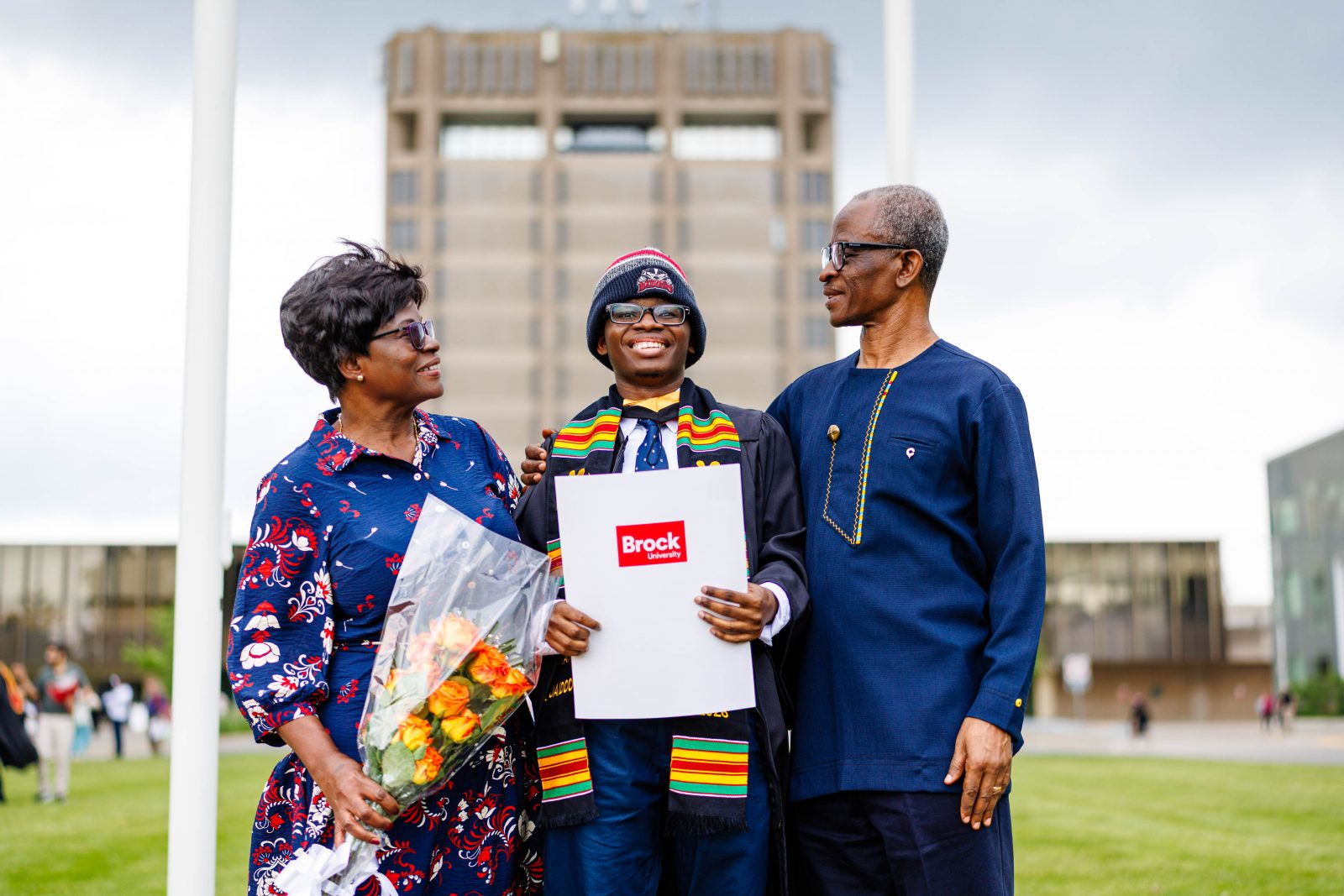
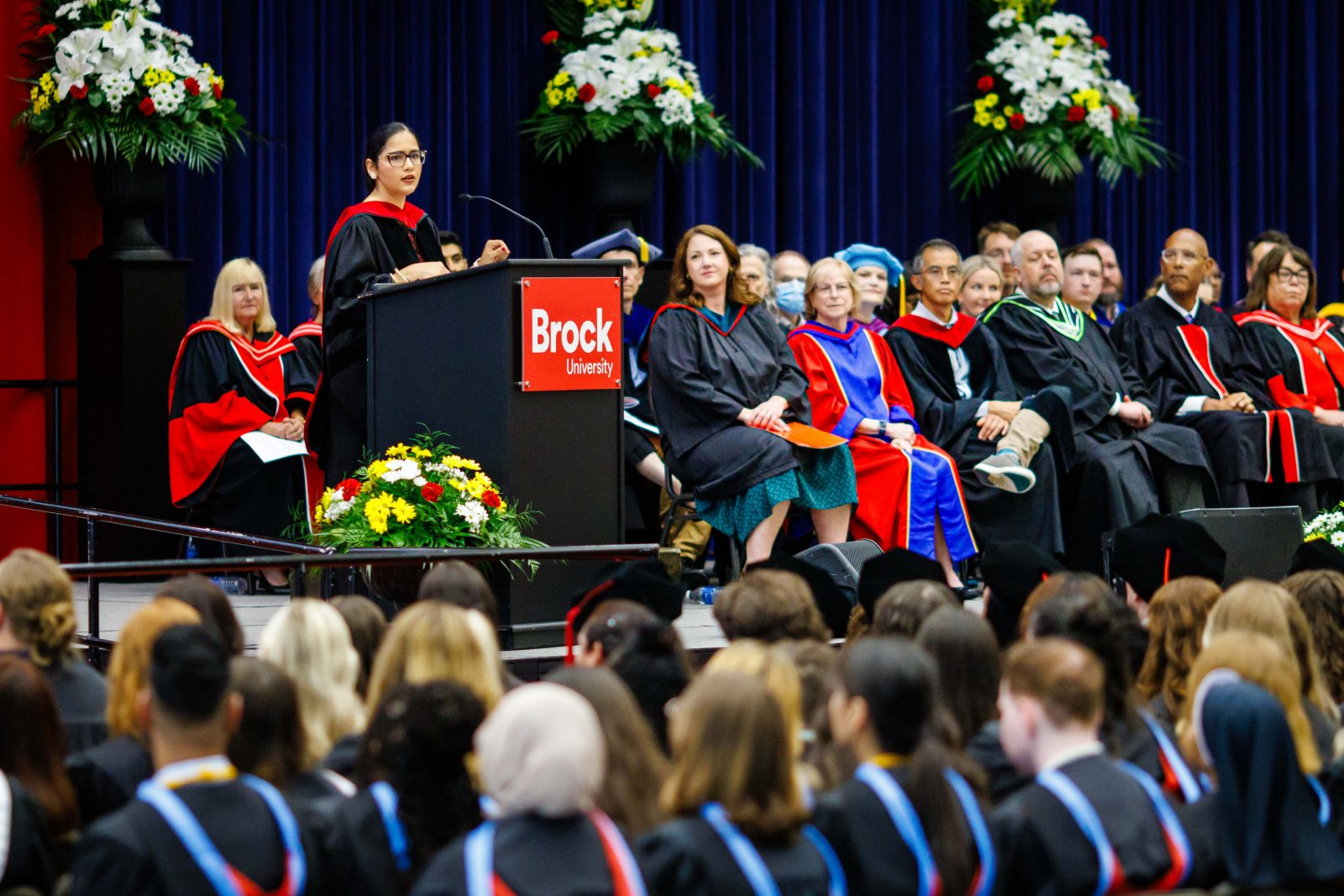
 Assistant Professor of Chemistry Divya Kaur Matta delivered the Convocation address on Thursday, June 11.
“As a chemist, I spend much of my life thinking about transformation.”
The idea of growth — and the power of perseverance — was central to Assistant Professor of Chemistry Divya Kaur Matta’s message as she addressed Brock’s newest graduates on Thursday, June 11 during the University’s 119th Convocation.
The Faculty of Mathematics and Science 2026 Excellence in Teaching Award drew on lessons from the process of photosynthesis, and her own experiences moving from India to the U.S. and Canada, to remind graduates of the ways challenges can be catalysts for positive change.
“Just as light becomes energy, may you take what life gives you — even the uncertainty, even the pressure, even the unexpected — and transform it into something generous, something courageous, something life-giving,” she said.
Matta also reminded graduates that success, and transformation, become meaningful when people use what they have to make a difference in the world around them.
“The real power of education is not only what it allows you to become, it is what it allows you to make possible for others,” she said.
That philosophy is woven into Matta’s own teaching philosophy.
She is determined to help students, particularly those in their first year, overcome any apprehensions they may feel about studying chemistry.
“Teaching is not only about transferring knowledge,” Matta said. “It’s about changing what students believe is possible for themselves.”
Rather than focusing on formulas and calculations, she aims to help students understand why concepts matter and how they connect to the world around them.
“Chemistry shouldn’t feel like only equations,” Matta said, “It should feel like a language of curiosity. What’s going on in the universe? What’s going on beneath the surface? Then you discover the patterns.”
Matta’s teaching philosophy has evolved through her own sense of curiosity.
Building on student feedback, which revealed many struggled to visualize concepts and felt overwhelmed by mathematical components of first-year chemistry, she has re-examined her approach and pursued professional development in pedagogy.
Now, Matta uses active-learning strategies to make complex ideas accessible, incorporating videos, visual representations and polling activities into lessons. Before introducing information, she takes the time to engage students in discussion about why the lecture material is relevant.
Her goal is not to make chemistry easy, however, but to make difficult chemistry feel approachable, meaningful and connected to the processes students are trying to understand.
Building trust is another cornerstone of the classroom experience, Matta said, especially as first-year students are often navigating one of the most vulnerable stages of their academic journeys.
“If students don’t feel welcomed, they will struggle throughout the course,” she said. “When you become their guide and mentor, you build trust.”
She strives to build that trust through regular interaction, opportunities for participation and one-on-one conversations during class. Over time, students feel more comfortable asking questions, sharing ideas, engaging with course material and making mistakes.
“Once students begin to feel interested; they become more curious and less intimidated,” Matta said. “They start to believe that they can understand challenging concepts.”
For Matta, teaching extends beyond helping students master course content. It is about helping them develop confidence, problem-solving skills and a belief in their own potential.
“When students leave the class, they should have built their confidence, courage and curiosity,” Matta said. “They should have the confidence to go into any lecture or course and continue building from there.”
Receiving the award is meaningful, Matta said, because it recognizes a style of teaching centred on connection, inclusion and student growth.
“Their success feels like your success,” she said.
The Excellence in Teaching Award is among several faculty honours being celebrated during Brock’s 119th Convocation, which takes place Tuesday, June 9 to Friday, June 12. Also being recognized is Professor of Biological Sciences Liette Vasseur, who has been awarded the title of Distinguished Professor.
The University’s highest honorary academic designation, the lifetime appointment recognizes full professors who have demonstrated exceptional research, scholarship or creative activity within their discipline.
Vasseur serves as the UNESCO Chair in Community Sustainability: From Local to Global, a Cool Climate Oenology and Viticulture Institute Fellow and a faculty affiliate with the Brock Environmental Sustainability Research Centre.
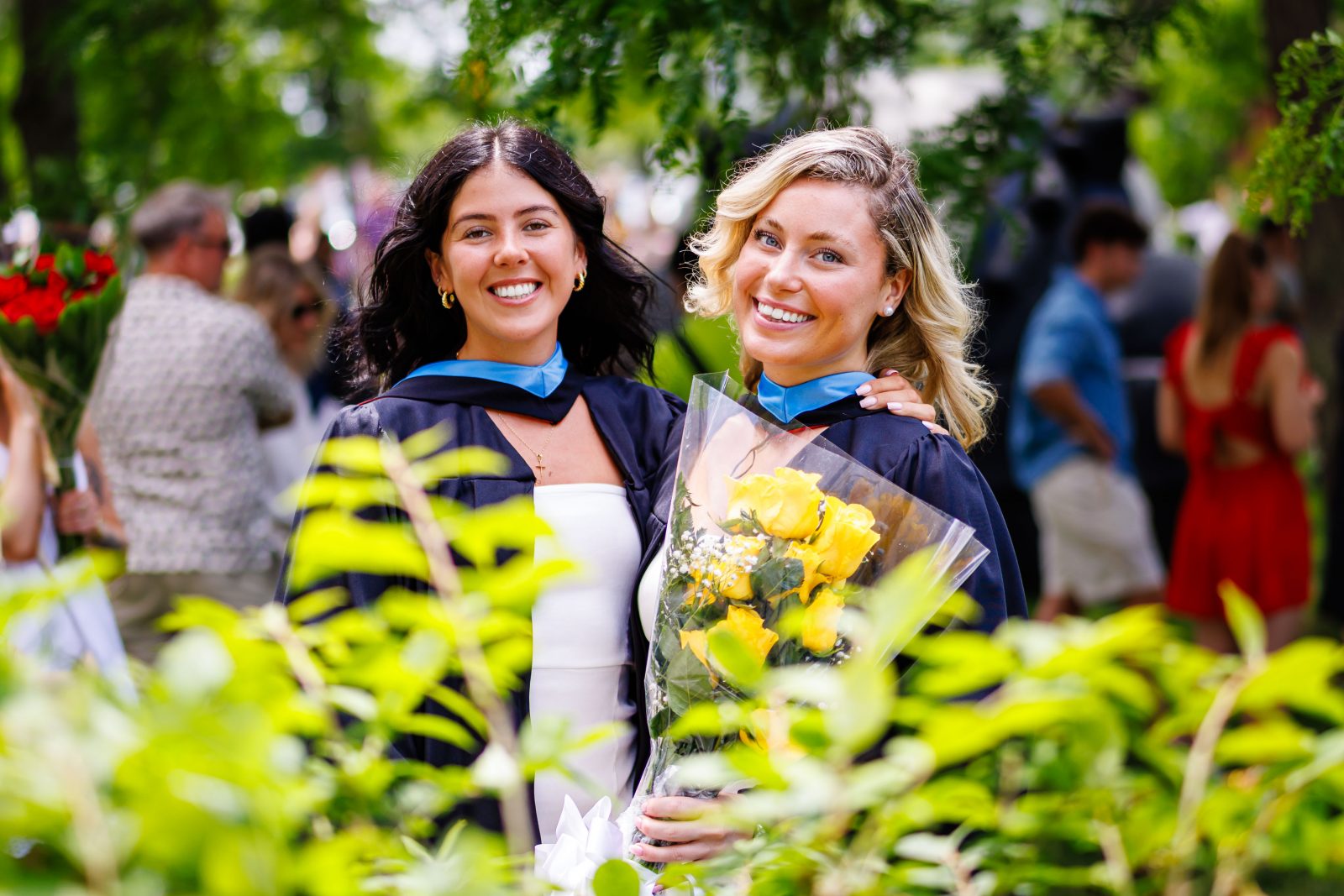
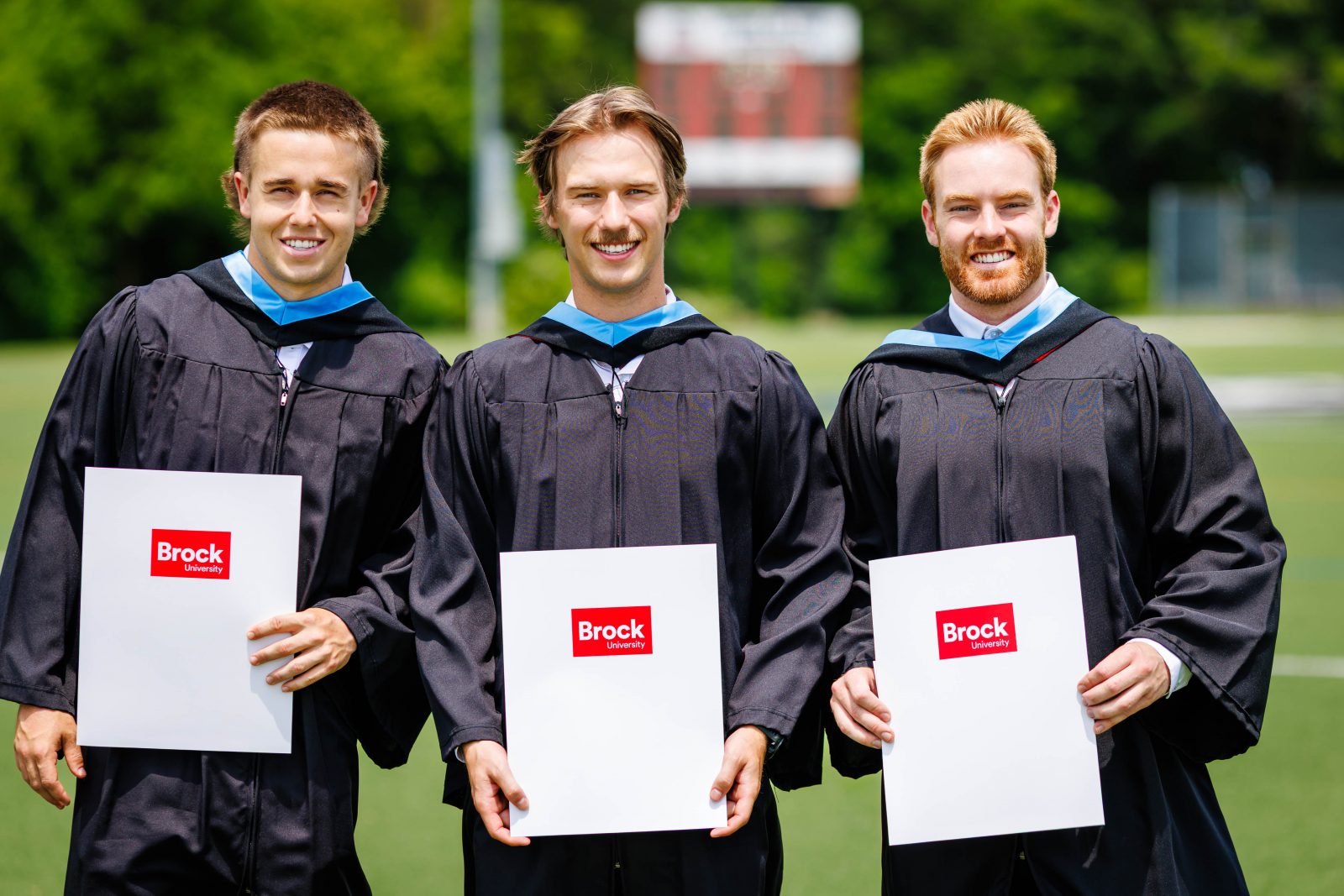
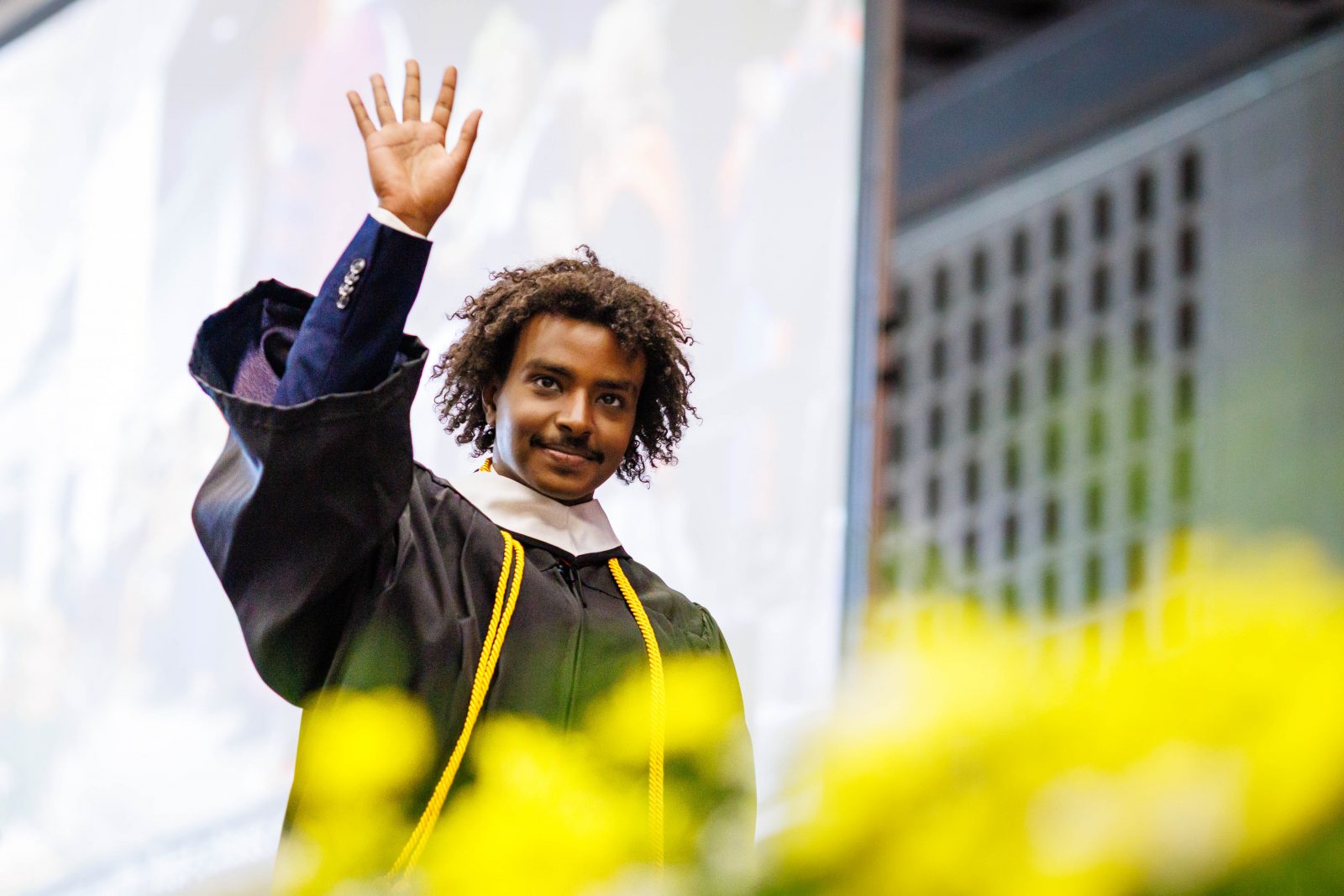
From Tuesday, June 9 to Friday, June 12, about 3,000 graduands from seven Faculties will receive their degrees as part of Brock’s 119th Convocation. All ceremonies take place in the Ian D. Beddis Gymnasium of the University’s Walker Sports Complex and will be livestreamed online at brocku.ca/livestream
For more information and the full schedule of Brock’s Spring Convocation, visit brocku.ca/convocation
A full collection of Convocation photos by ceremony will be available on Brock University’s official Flickr galleries.