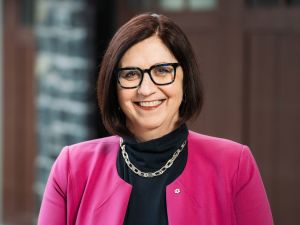
 Brock University PhD student Carley Jewell is researching how social support during concussion rehabilitation can support athletes’ psychological readiness to return to sport and sport-related activities.
Former varsity hockey player Carley Jewell knows first-hand that athletes’ social and mental well-being can take a hit after experiencing a concussion.
Under the supervision of Assistant Professor of Kinesiology Amanda Black, the Brock University PhD student is researching how social support during concussion rehabilitation can support athletes’ psychological readiness to return to sport (RTS) and sport-related activities.
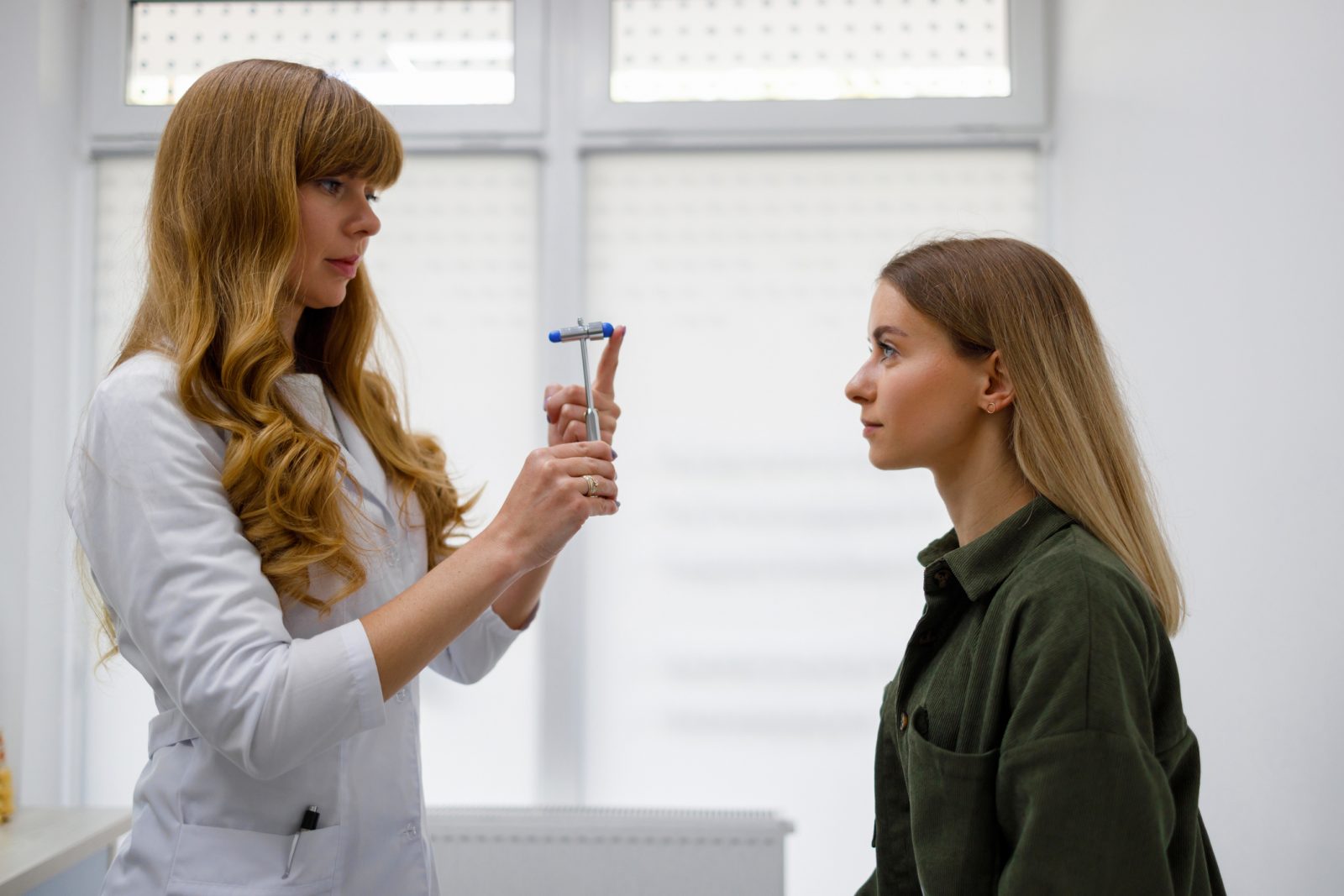
Concussions can happen when impact to the head, face, neck or body causes jarring movement of the brain within the skull. While metabolic changes can occur in the brain, Jewell says that concussion is primarily a “functional injury,” rather than a structural one, that doesn’t always show up on medical imaging such CT scans and MRIs.
Beyond the physical impacts of concussion, such as headaches, dizziness or neck pain, Jewell says these injuries can also leave lasting psychological and social impacts, such as diminished confidence, fear of re-injury and social isolation. Approximately 15 to 30 per cent of athletes experience symptoms that persist longer than four weeks.
While Jewell says no two concussions are the same, even when experienced by the same person, most athletes recover at home with symptom-limited activity.

Applied Health Sciences PhD student Carley Jewell
Athletes typically follow a structured RTS strategy that gradually increases physical and cognitive exertion, ultimately re-introducing athletes to contact and unrestricted RTS. Recent consensus guidelines recommend those who are experiencing mild, brief symptoms engage in controlled activity with no risk of additional head impact.
Although often necessary for rehabilitation, Jewell says time away from sport and social environments can be a difficult part of concussion recovery.
Her PhD research explores how social support can play a critical role in improving athletes’ sport-related concussion (SRC) rehabilitation.
Jewell says social support may not necessarily change recovery timelines, but evidence suggests it can help athletes maintain their athletic identity and feel less pressure to prematurely return to sport and sport-related activities.
Athletes who are psychologically ready to RTS may experience lower risk of re-injury, she says, as well as improved adherence to recovery protocols, increased confidence and lower levels of fear and uncertainty as they begin to participate in sport again.
Through her PhD research, she is working with youth hockey athletes, coaches and team-integrated care providers, such as athletic therapists, to co-develop contextually appropriate strategies for providing social support and improve athletes’ perceptions of the support they receive.
Her master’s research found that the number of individuals providing support and the displays of support behaviours generally decreased across athletes’ concussion RTS strategies.
Factors like the concussion visibility and the uncertainty of concussion recovery may influence an injured athlete’s perception of support behaviours.
Jewell says an athlete’s role within a team can also influence how support is perceived. Those in less formal or lower-status roles sometimes report receiving less consistent support, such as coaches infrequently checking in or offering limited practical assistance.
“We’re starting to see the relationship between group dynamics and how social support plays a role in concussion rehabilitation,” she says.