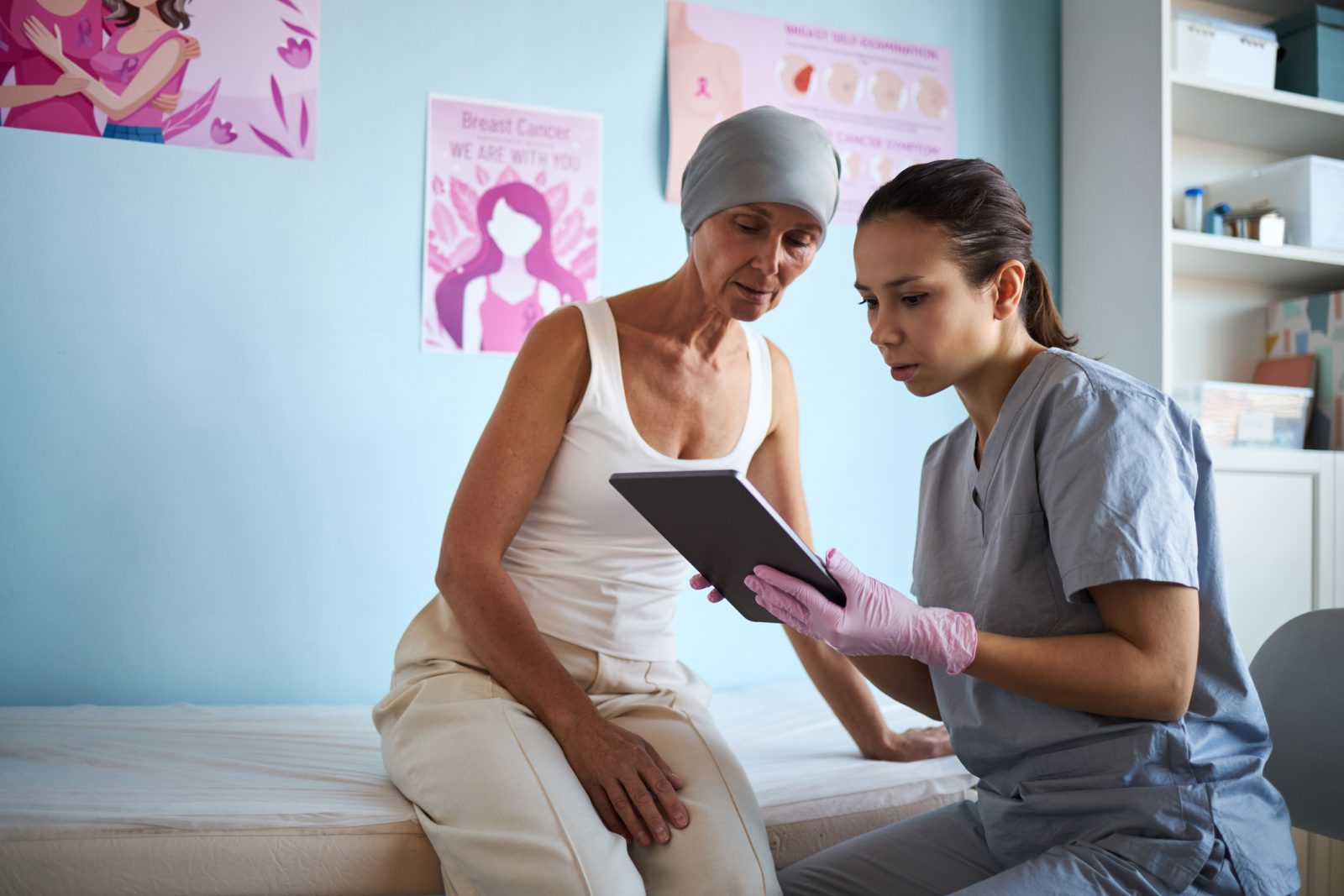
 With a grant from Breast Cancer Canada and AstraZeneca Canada, Assistant Professor of Nursing Amina Silva is researching the needs of people whose breast cancer has metastasized, or spread, to other parts of the body.
In the early days of her nursing career, Amina Silva was struck by how quickly breast cancer patients were encouraged to get back to regular life after completing treatment.
“They would come back to me and say, ‘What does normal life mean?’” she recalls. “My body is not the same. My relationship with my husband is not the same. I don’t have a normal life anymore.”
The young nurse was frustrated that her patients were left to navigate their anxiety and new circumstances on their own.
Those experiences continue to inform her research today.
The Assistant Professor of Nursing at Brock University is researching the needs of people whose cancer has metastasized, or spread, to other parts of the body.
Her research project, “Developing and Validating a Survivorship Resource Model for People Living with Metastatic Breast Cancer in Canada,” is being funded with a $100,000 grant from Breast Cancer Canada and AstraZeneca Canada.
An estimated 28,000 to 33,000 Canadians are living with metastatic breast cancer (MBC) at any given time.
About 90 per cent of patients diagnosed with breast cancer are still alive five years after diagnosis. Survivorship care has largely been designed around the needs of these patients, who will eventually complete their treatment journeys.
While people with MBC are living longer thanks to newer treatments, the five-year survival rate for MBC patients is significantly lower at about 23 per cent.
Silva says no validated survivorship care model has been designed for MBC patients — partly because the disease is often considered to be incurable.
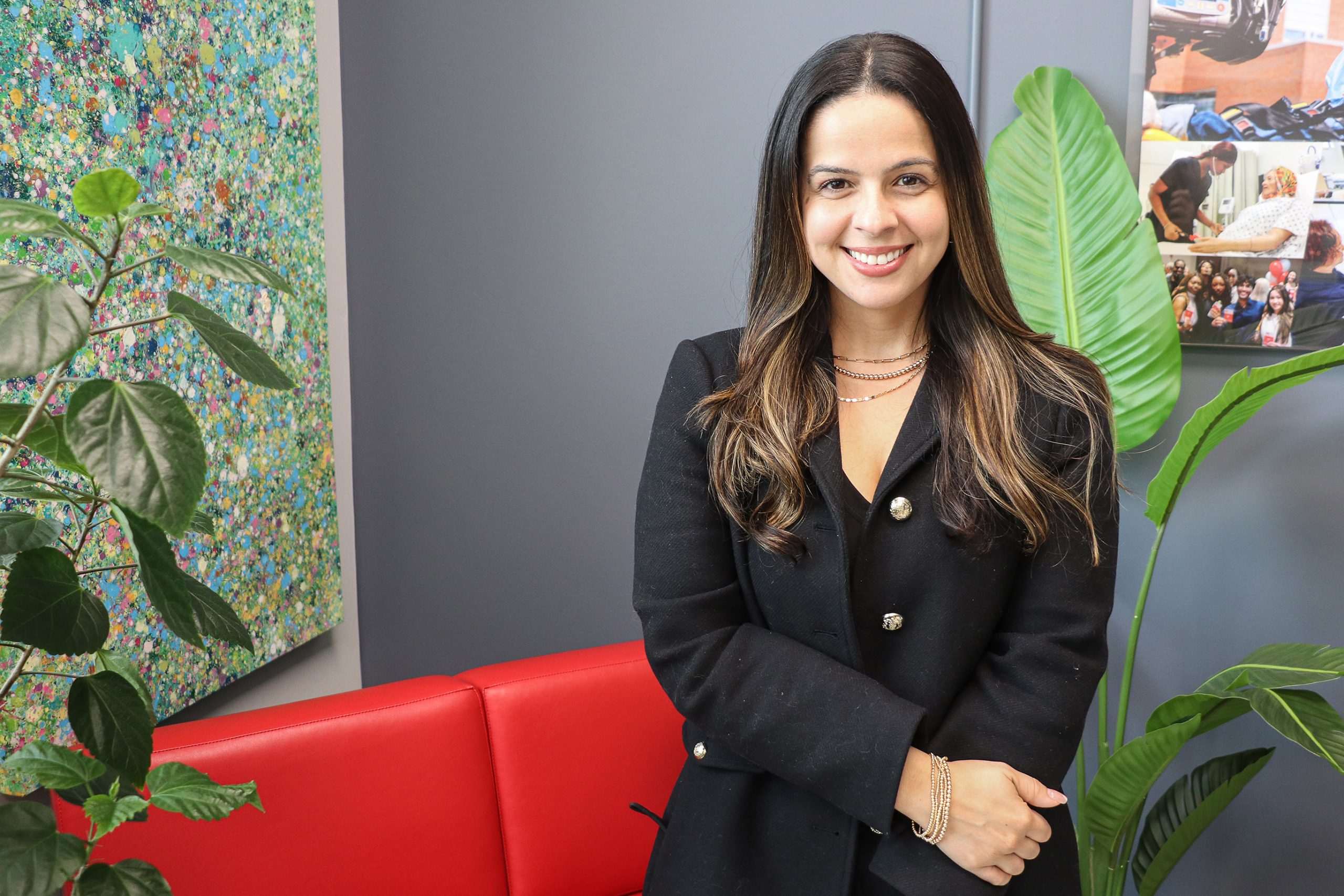
Brock University Assistant Professor of Nursing Amina Silva is co-leading research to create a “survivorship resource model” consisting of tools to support people living with metastatic breast cancer.
Patients with MBC can remain on treatment indefinitely, undergoing regular scans to monitor the cancer, switching to new treatments when it progresses and managing years of side effects.
“People with metastatic cancer are on a long-term journey where they never know when or if they’re going to cross the finish line,” says Silva. “Those long-term treatments really take a toll on their bodies and their psychosocial and mental health, yet they report there are few resources to help them and pretty much no one knows what they’re going through.”
The team’s nurse-led survivorship resource model will include a set of clinical tools — such as needs assessment guides, care planning templates, symptom management protocols and referral pathways — oncology professionals can incorporate into routine care for metastatic breast cancer patients.
Nurses are well placed to lead this work, Silva says, because they already follow patients closely through years of treatment.
Co-led by Queen’s University Associate Professor Jacqueline Galica, the team will use artificial intelligence (AI) to examine tens of thousands of posts people with MBC have shared on public online forums, in both French and English, identifying patient needs in their own words.
Next, the team will compare what patients report online with the six areas of need identified in an earlier review of 170 breast cancer survivorship studies.
These areas are physical symptoms, psychological distress, health-system navigation, financial strain, social impact and existential concerns.
“Bringing the two together, the researchers will draft the tools that make up the model and select the measures that will later be used to test its effect on symptoms, quality of life and care transitions,” says Silva.
A panel of 30 people from across Canada — 15 living with MBC and 15 oncology nurses, nurse practitioners and oncologists — will rate the draft tools for relevance and clarity. The panel includes Indigenous, rural and francophone participants.
The team will refine the tools based on the panel’s feedback and aims to run pilot tests at three or more Canadian cancer centres with future funding. Findings from the online forums will also help adapt AskEllyn.ai, an AI conversational tool for people with MBC that the team has helped validate.
“We want to make patients feel less lonely and more supported throughout their journey as they face their many different challenges,” Silva says. “We’re hoping this resource can improve their quality of life as we provide the best care that we can.”