 Local and global water sustainability is the focus of an upcoming fall course on offer from the Department of Geography and Tourism Studies.
From the impacts of climate change on wastewater treatment to the growing corporate demands for water resources, fourth-year students have an upcoming chance to dip in to urgent topics surrounding water sustainability.
Professor Julia Baird, a Canada Research Chair in Human Dimensions of Water Resources and Water Resilience, will teach GEOG 4P83 – Contemporary issues in water sustainability this fall. The course is now open to all majors for registration.
The class will involve critical discussions about complex topics such as demand for water as more data centres for artificial intelligence (AI) are built.
“When it comes to the question of water use by the data centres that support generative AI, we’re building knowledge all the time about what the impacts are,” she says. “Even though it’s a relatively new phenomenon, the data already coming out is pretty staggering, so I think there’s a lot to talk through about sustainability concerns and value versus impact.”
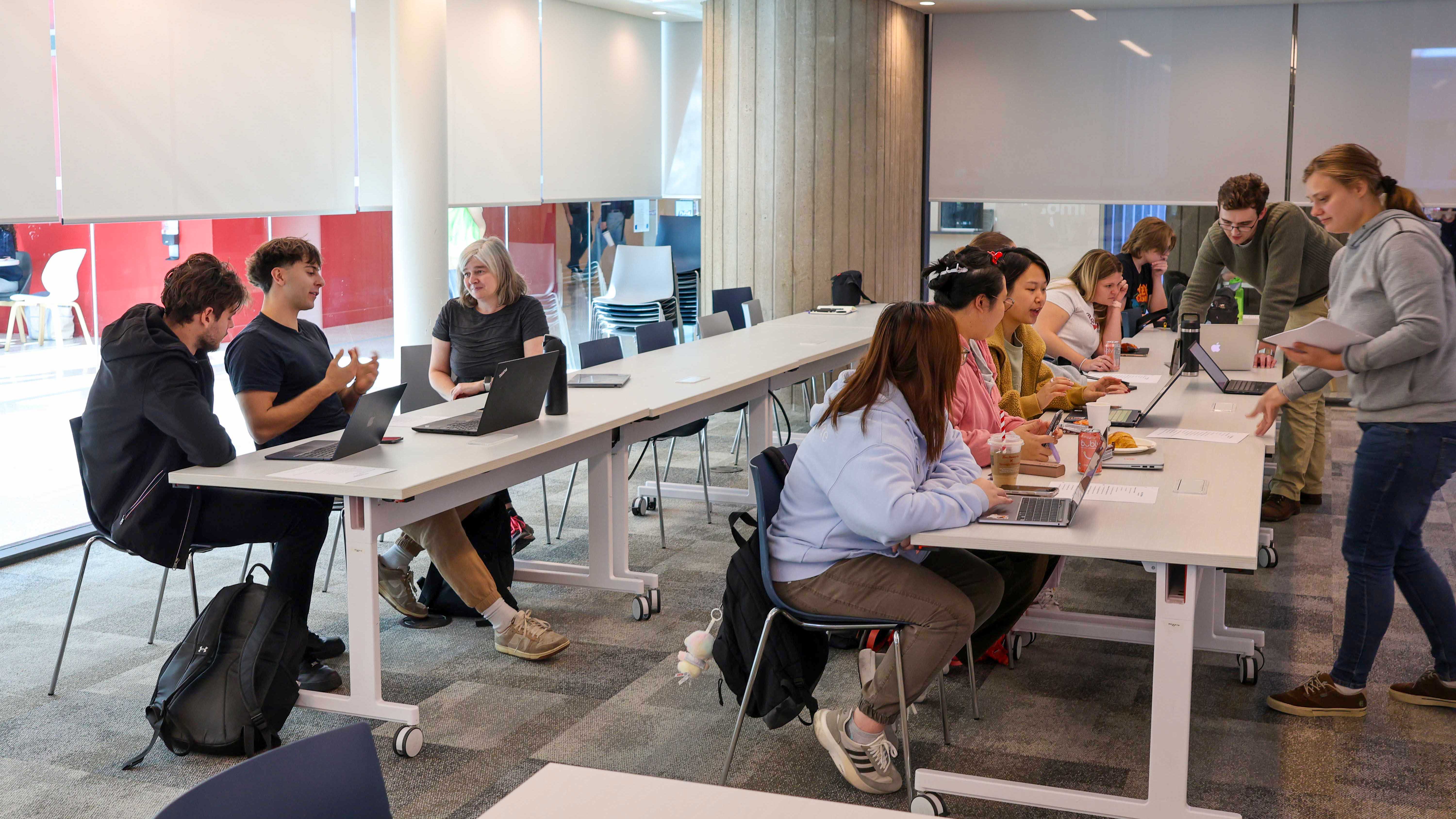
Baird says she plans to spend more time engaging students in dialogue than lecturing as the class examines the fundamentals of water sustainability and why it matters, as well as barriers and solutions.
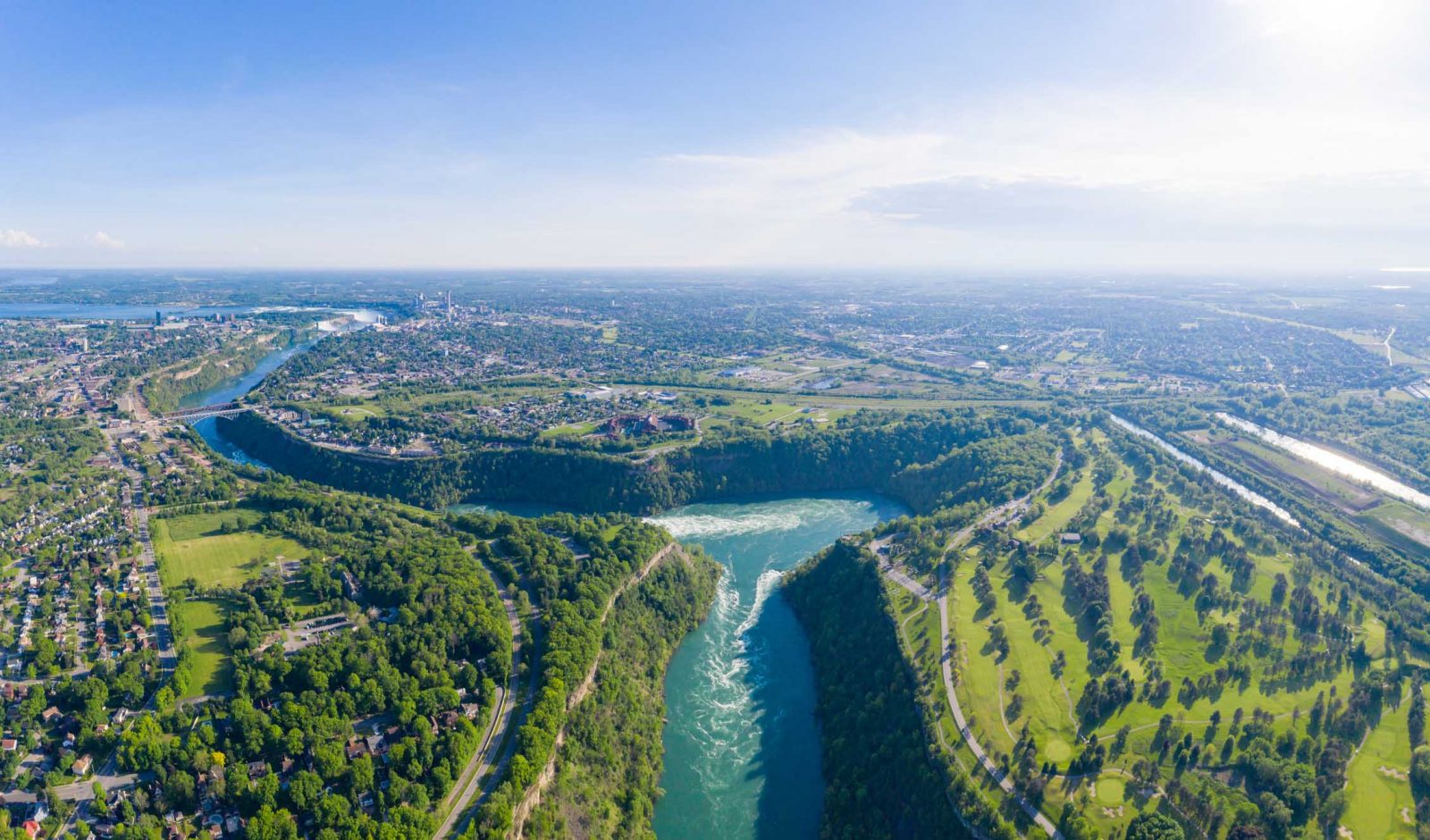
“We’ll have guest speakers who have deep knowledge of local issues, such as the Niagara River’s historical pollution and the really fantastic work being done to remediate it,” she says. “And I also hope to welcome an expert on water conflict on the Nile, to really show both locally and globally how important water is.”
Baird, whose Canada Research Chair focuses on human dimensions of water resources, says it is a dream course to teach, and she’s looking forward to welcoming a new group of students to the experience.
“Much of what we’re seeing in terms of water sustainability is a result of the decisions we make, whether they’re good decisions or not so good decisions,” she says. “And that’s really fascinating to me — and frustrating, at times — but really fascinating.”
She is also eager to help students realize how they can personally make an impact.
“A big part of my research focuses on how we build support for making better decisions in the public, and this course is an opportunity to help students to understand both why their decisions are really important and the agency they have when it comes to the future of water,” she says. “So, I hope that they come out with a lot of fresh knowledge, but also feeling empowered to make change.”