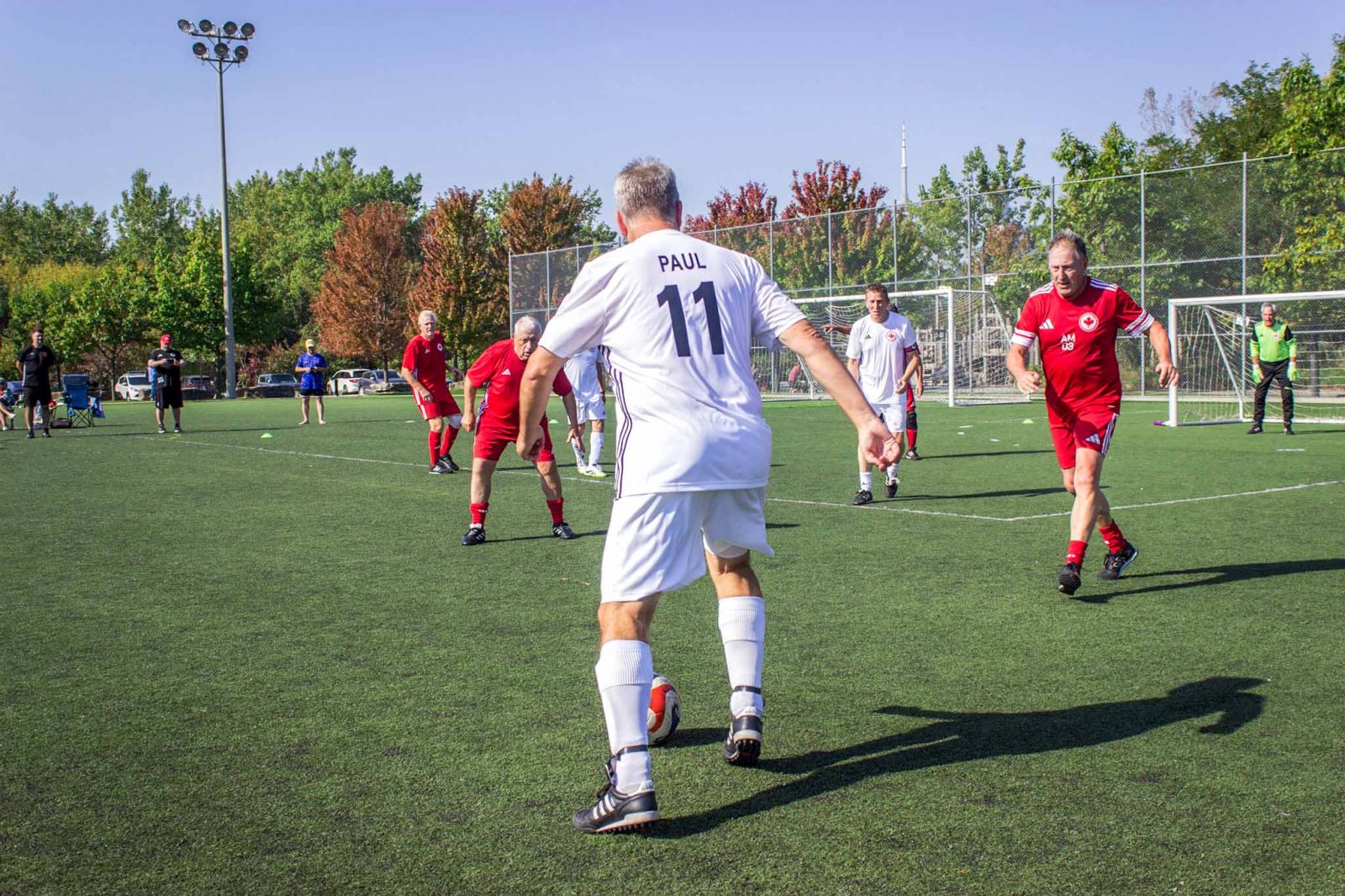
 Retired Brock professor Nicolas Baxter-Moore (far right) is playing and coaching in the upcoming 2025 Federation of International Walking Football Association’s World Nations Cup in Spain. Baxter-Moore tended goal during a demo match for media and well-wishers during an event at Cherry Beach in Toronto on Saturday, Oct. 4.
Nicolas Baxter-Moore will be hitting the pitch this month to play the game he loves on the global stage — albeit at a slightly modified pace.
The sport? Walking soccer.
In this version of the game, being played at the upcoming 2025 Federation of International Walking Football Association’s (FIWFA) World Nations Cup in Spain, it’s against the rules to run, jog, push, tackle from behind or have the ball travel higher than players’ heads.
“But it’s fundamentally the same game, because it’s still all about passing, ball control, shooting, tackling, covering and marking — and encouraging fitness,” says the retired Associate Professor of Communication, Popular Culture and Film.
Baxter-Moore plays for the Team Canada Men Over 70 and coaches the Men Over 60 squad. Canadian teams are also competing in the Women Over 50 and Men Over 50 categories later this month.
Although walking soccer is slower-paced than its running equivalent, Associate Professor of Kinesiology Sean Locke says the sport is no stroll in the park.
“If you’ve ever seen speed walking as an Olympic event, that’s similar to some of the players are doing,” he says. “Even recreational leagues are faster-paced and a bit more competitive than you might expect.”
He says the walking version of soccer has been modified to accommodate changes to older adults’ cardiovascular system, breathing capacity, movement of joints and other body functions, making the sport more accessible.
Alterations to mainstream sports should be fun, he says, but “still preserve the essence of the game,” especially for those who previously played soccer but couldn’t continue for different reasons.
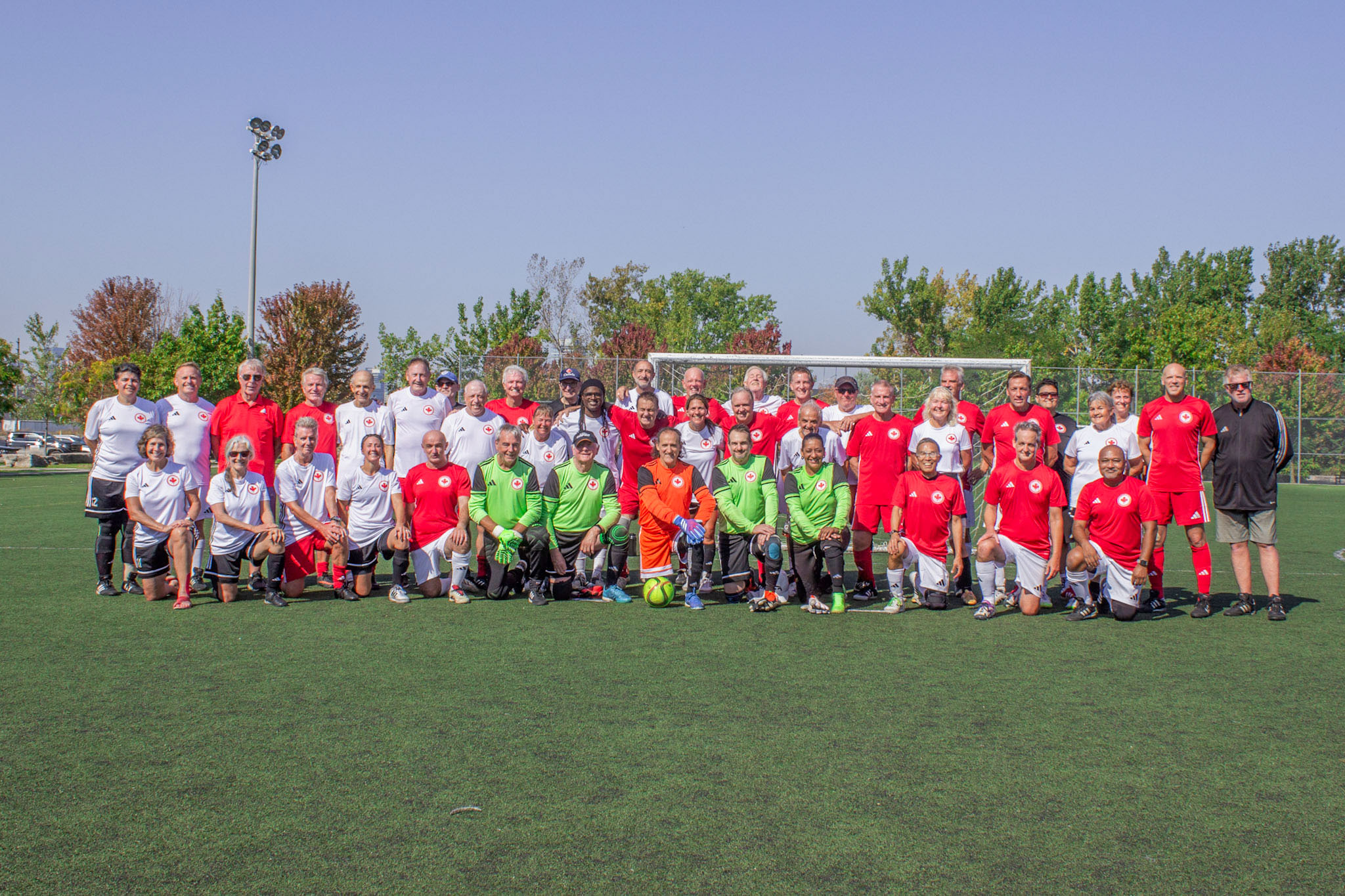
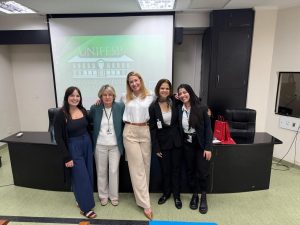
Canadians heading to the 2025 Federation of International Walking Football Association’s World Nations Cup in Spain later this month held a special send-off event at Cherry Beach in Toronto on Saturday, Oct. 4. Retired Brock Associate Professor Nicolas Baxter-Moore (sixth from left, front row) is playing and coaching in the upcoming tournament.
That was the case for Baxter-Moore, who had given up his involvement in soccer following multiple knee surgeries. He then discovered walking soccer in 2023 and and will now join Team Canada at the World Nations Cup.
“It’s wonderful to be able to do it all again, when I thought my playing days were over,” he says.
A modified mainstream sport could also attract people who might otherwise feel too intimidated to join in, says Associate Professor of Sport Management Michele Donnelly.
She says most adult sport leagues assume players have previous experience, relevant skills and knowledge about the rules of the sport, which makes it challenging for those without this background to play.
“In a ‘new’ sport such as this, all players start with the same amount of experience; that is, everybody is new or has limited experience, even if they have previously played soccer or other sports,” says Donnelly. “When everybody is learning together, a sport can feel more accessible for adults who have limited sport experience.”
She says the rules of walking soccer make it possible for more players on the field to be actively involved, building a sense of teamwork.
Social connection is particularly important for older adults, especially those who experience loneliness or social isolation, says Professor of Kinesiology Kimberley Gammage.
In addition to boosting mental and physical health, sports can help older adults cope with the loss of muscle mass and strength, weight gain, decreased balance and mobility, and other age-related changes, she says.
“Playing a sport like walking soccer helps people focus on the function of their bodies, rather than appearance, which is a critical aspect of positive body image and learning to appreciate what your body can do,” says Gammage.
Baxter-Moore hopes to get more Niagara residents involved in the game by launching a local club in the future. For now, his focus is on the upcoming tournament, which runs from Tuesday, Oct. 21 to Friday, Oct. 31.