Are you eager to apply what you’ve learned in class and see research concepts in action?
Understanding how psychologists conduct research is integral to learning about psychology as a discipline. Students will receive training in statistics and research methods as part of their degree requirements, but many students also want to take their learning outside of the classroom.
Gaining research experience can contribute to your success applying to graduate programs and entering the workforce
Explore the discipline of psychology
Develop in-demand transferable skills
Work closely with faculty members
Identify goals for career or post-graduate training
Volunteer or Work in a Research Lab
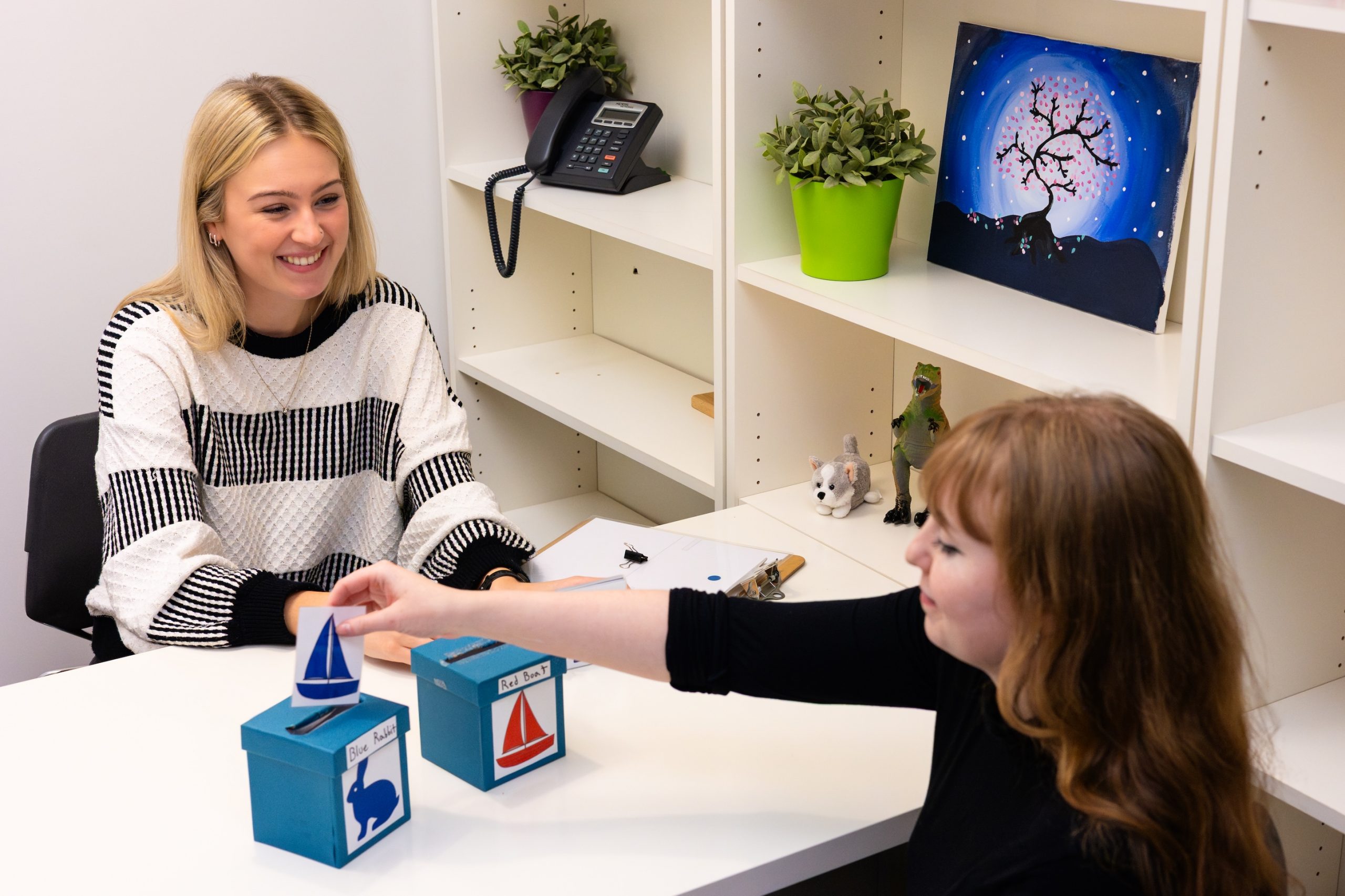
Many faculty members have volunteer opportunities and some even have paid positions available to undergraduate students.
As a Research Assistant at Brock, you will work closely with professors on their research projects. This hands-on experience will help you hone your communication, collaboration, and critical thinking skills.
You will also build stronger relationships with professors and graduate students, which can be invaluable for your academic and professional journey.
What will you do?
- Recruit participants
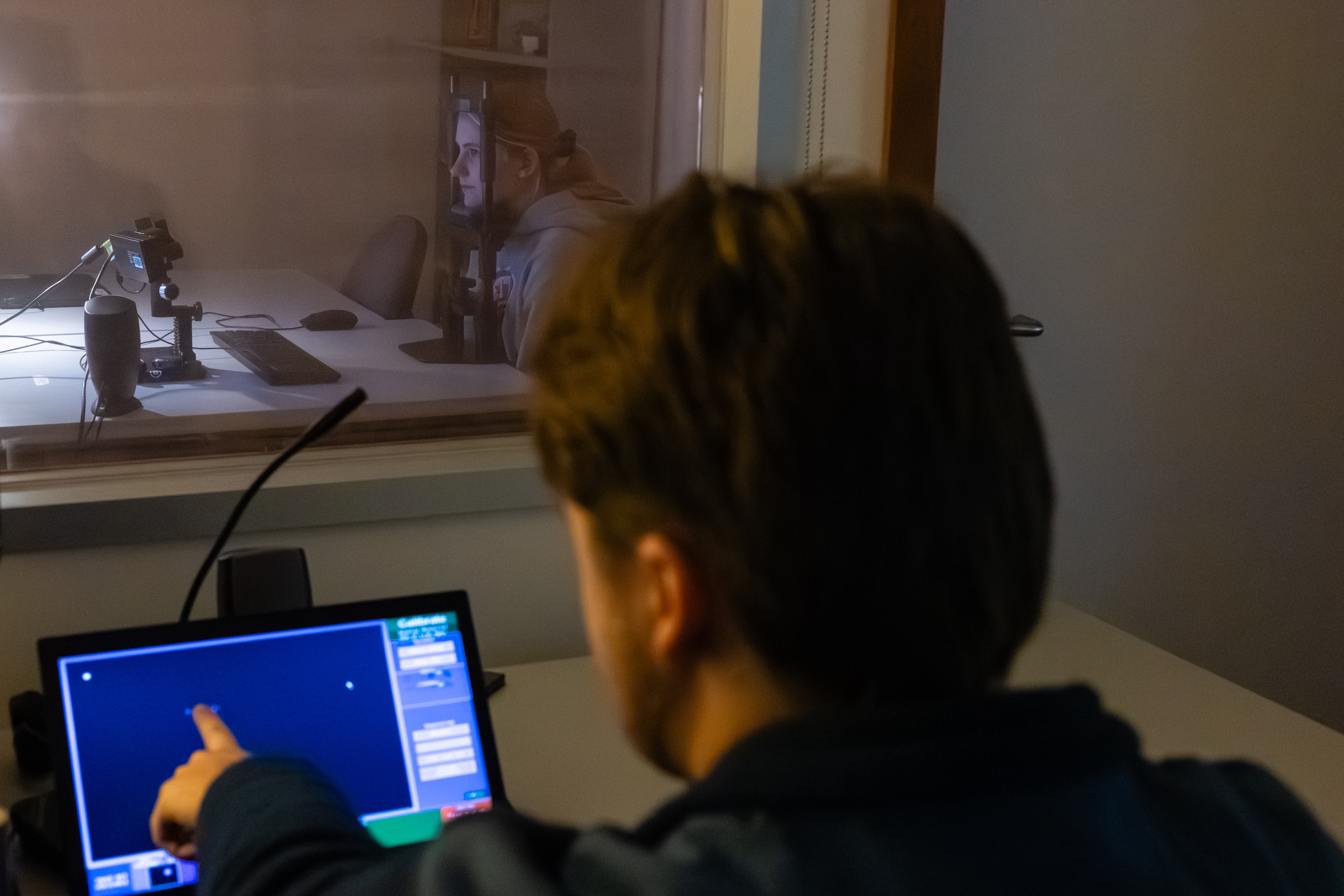
- Collect and analyze data
- Perform in-depth literature searches
- Design studies
- Conduct interviews and focus groups
- Attend lab meetings
What skills will you develop?
- Data management (coding, analysis)
- Knowledge of research ethics
- Knowledge of specific research methodology
- Working with different ages of research participants
Lab research experience is crucial if you plan to apply to graduate school or complete an Honours thesis in your final year. It is also an excellent way to secure a strong letter of reference from your professor, which is helpful for any post-graduate pathway.
If you would like to volunteer or work in one of our labs, explore faculty research interests and contact any faculty members whose research you find interesting.
Complete Directed Reading/Independent Study Courses

The Department of Psychology offers five different options for directed readings courses: PSYC 3P48, 3P49, 4F05, 4P10 and 4P11. Depending on the particular course, a student may undertake a review of research literature or conduct an empirical research study.
If you are interested in a directed readings course, you are encouraged to meet with an Academic Advisor to talk about which course would be best suited to you.
Enrollment in a directed readings course requires the approval of a faculty member who is willing to supervise you, so you must first find a supervisor who is doing research that you find interesting.
Students can contact faculty members directly to ask if they would be willing to supervise a directed readings project. If a faculty member indicates willingness, then the student and faculty member will discuss exactly what the course will entail.