News and events

  • Welcome New and Returning CPCF Students!


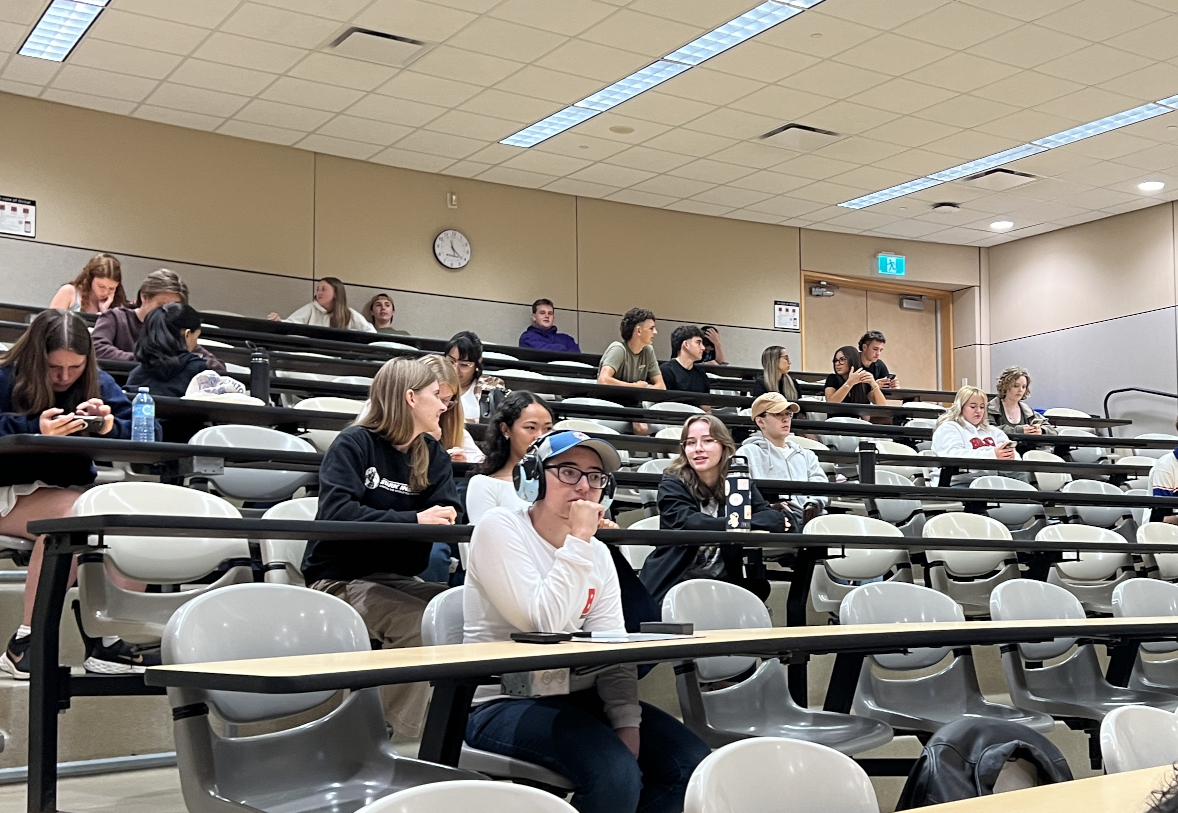
    The Department of Communication, Popular Culture, and Film is excited to welcome new and returning students for the 2025/2026 academic year at Brock University.

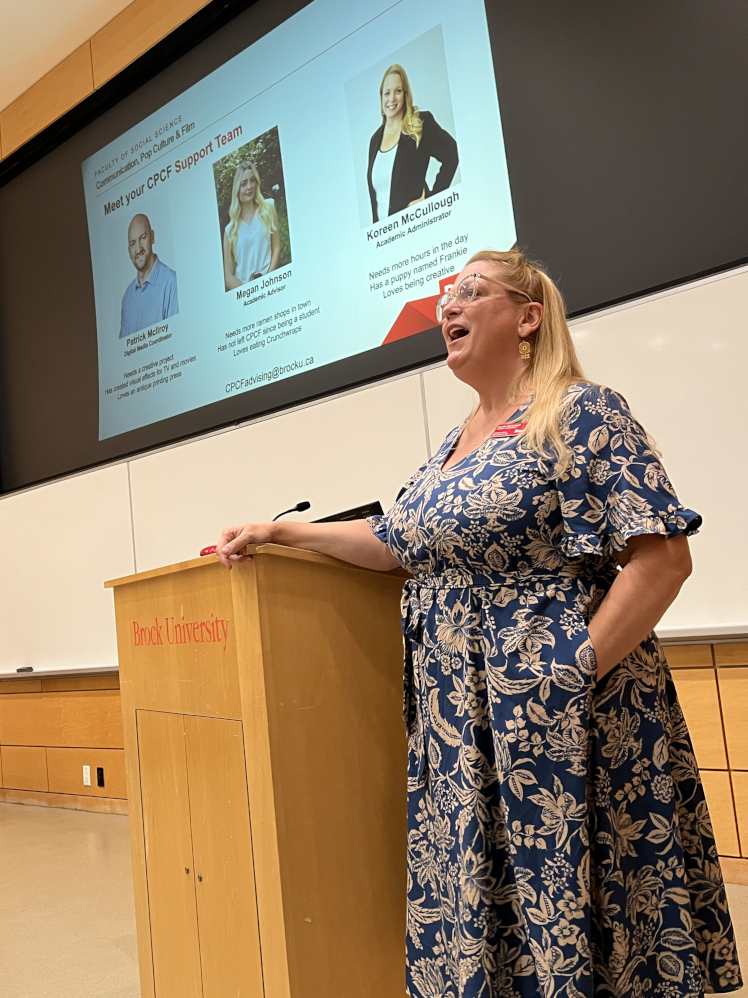
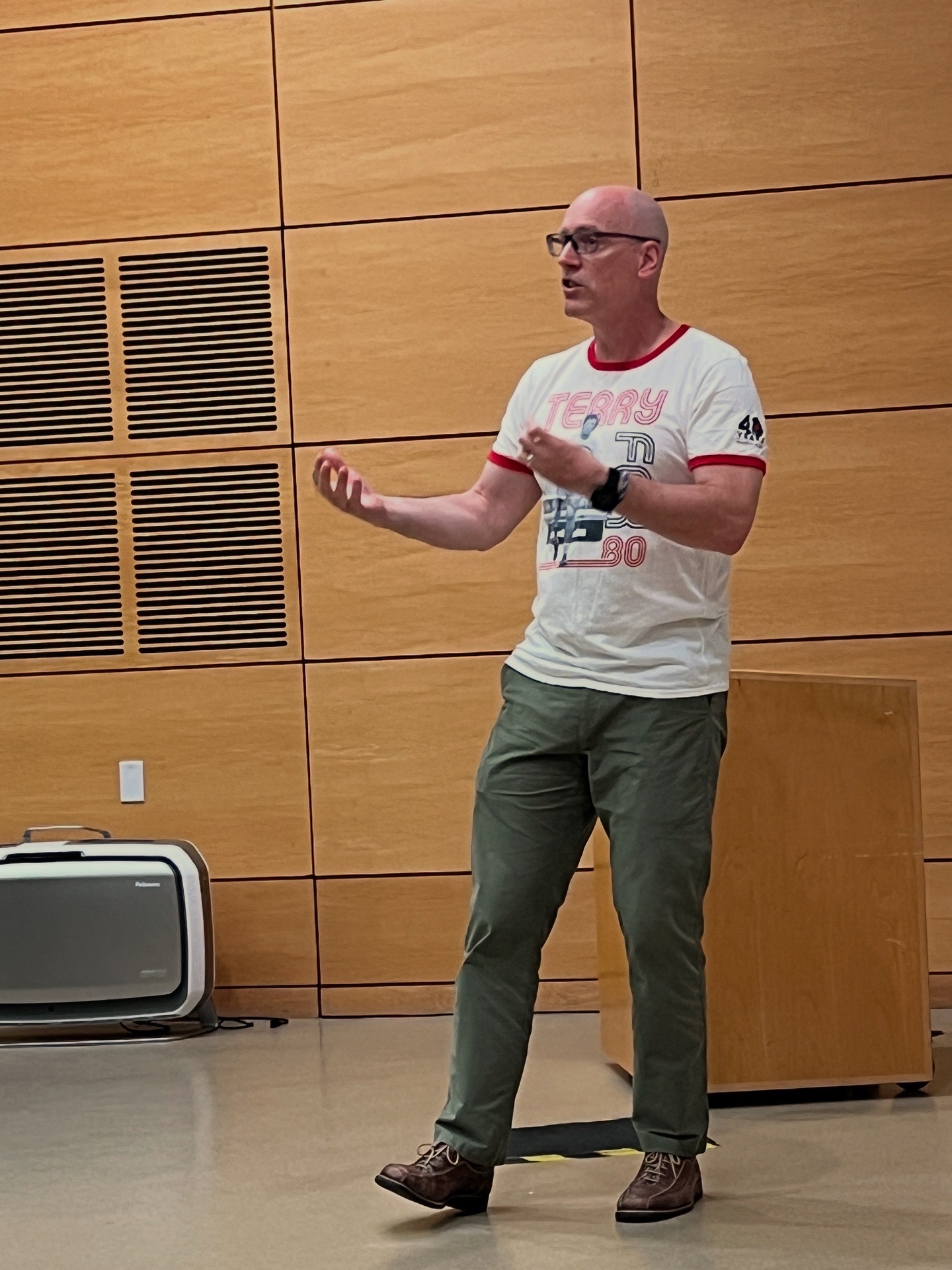
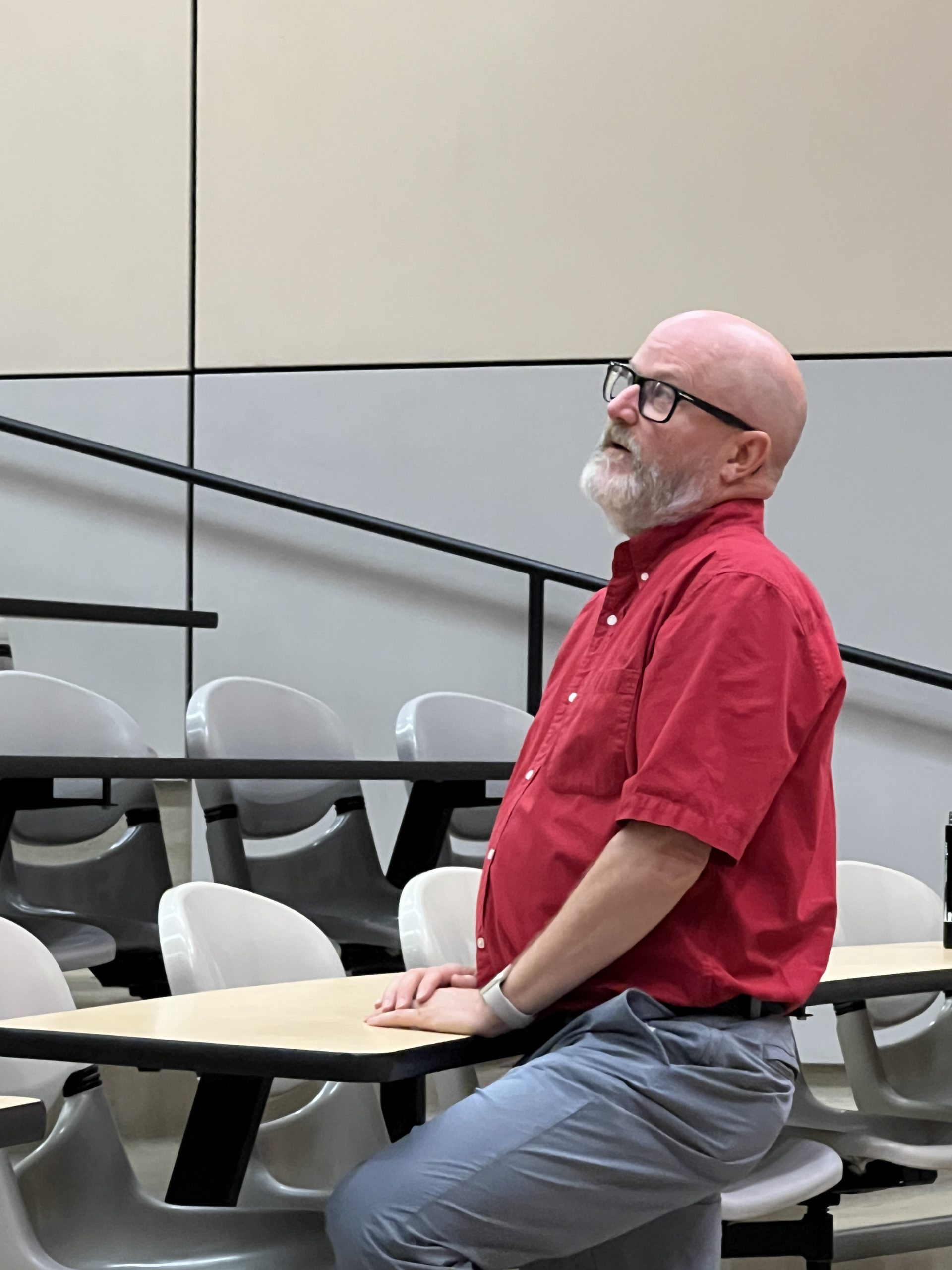
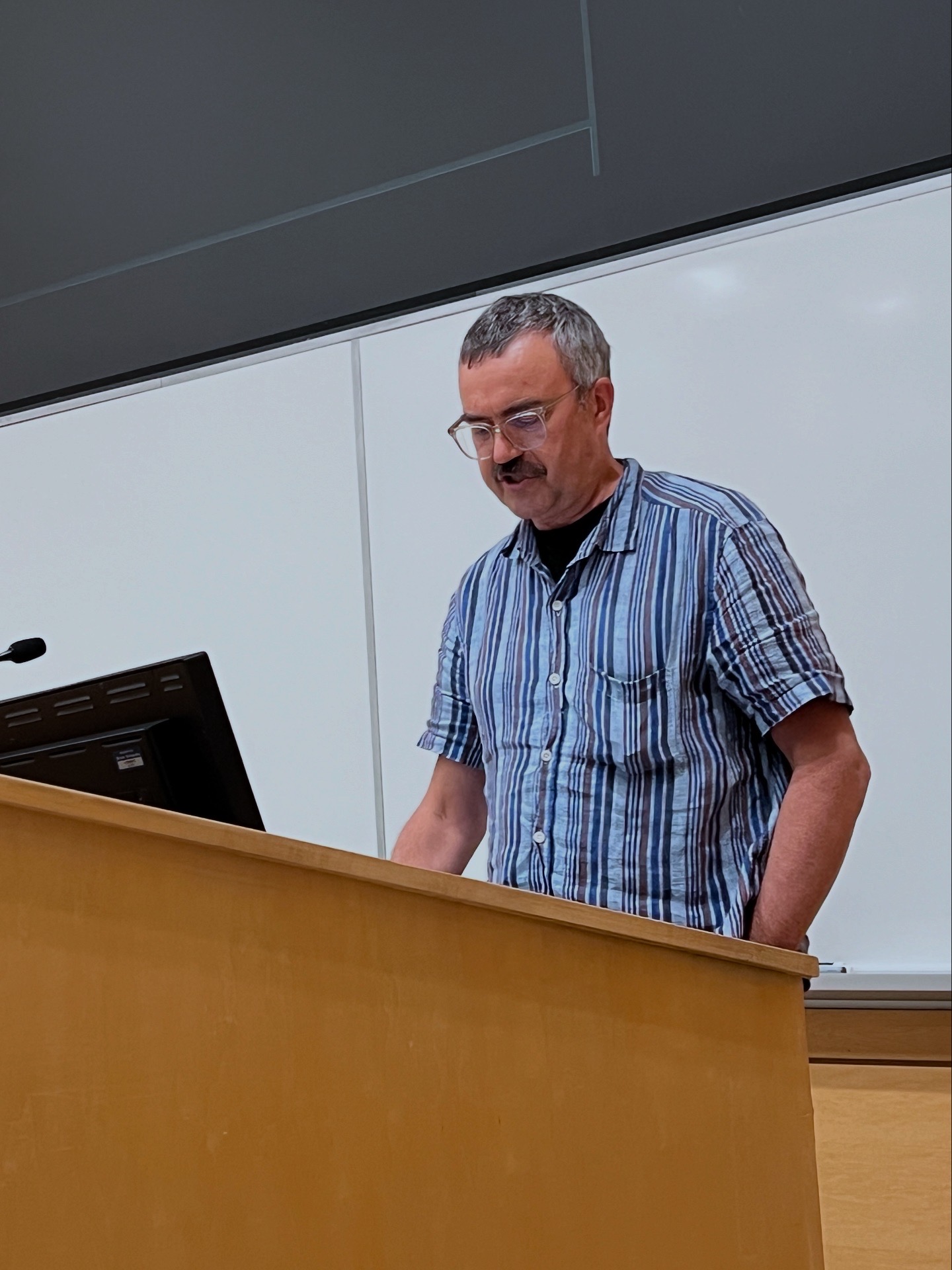
    At a new student orientation session, Dr. Derek Foster, Dr. Tim Dun, and Dr. Anthony Kinik commended the students for choosing Brock as a point of stability in an increasingly unpredictable world.

    They reiterated the importance of media literacy, communication, and the understanding of visual language in an era of video saturation, AI intrusion, and unprecedented trade wars.

    Thank you to Koreen McCullough for all the amazing work she did to coordinate and facilitate this event. For information on Academic Advising, email [email protected]


  • Congratulations to our new CPCF graduates!

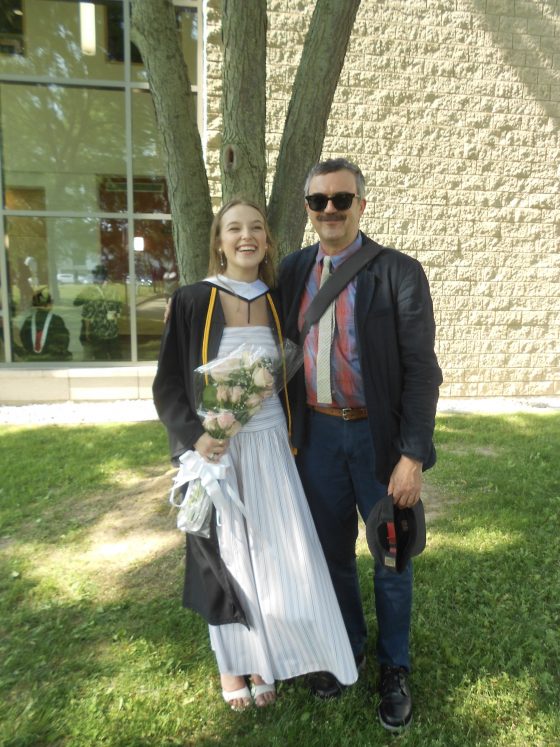
    Brock University CPCF graduate Chloe Pasco in a graduation gown and holding a bouquet of flowers, standing next to Associate Professor Anthony Kinik.

    Congratulations to all the CPCF graduates who crossed the Convocation stage this spring!

    Your passion, dedication and hard work have paid off. We are so proud of all that you’ve accomplished during your time at Brock University, and we can’t wait to see where your next adventure takes you.

    Check out the full 2025 Spring Convocation gallery on the Brock University Facebook page.

    Categories: Events, News

  • 2025 CPCF Spring Courses

    Whether you want to jump on the fast track to graduation, reduce next year’s course load, satisfy a program requirement or pick up an elective, Brock’s Department of Communication, Popular Culture and Film is offering Spring courses to help you advance your area of study and explore topics of interest.

    Course Spotlight: Nonverbal Communication (COMM 2P96)

    ONM – ONLINE MIXED

    How much of what we’re thinking and feeling is communicated without saying a word? In this course, you’ll decode the hidden language of nonverbal cues and gain greater insight into how people manage conversations and relationships across the channels of communication that escape our everyday attention.

    • Examine how body language, facial gestures, clothing, tone of voice, proximity and other nonverbal cues convey emotions and intentions.
    • Develop a deeper understanding of how you can tap into the power of nonverbal communication to support your personal and professional pursuits.
    • Explore how nonverbal communication influences significant moments such as job interviews, first dates, boardroom negotiations, courtroom trials and police interrogations.

    Recommended for Business Communication and Media Communication students looking to fulfill a third year COMM 290+ requirement.

    Prerequisite(s): COMM 1P91 and COMM 1P92 (COMM 1F90) or permission of the department. Please email [email protected] to request permission.

    This course may also be of interest to students in Sociology, Psychology, Political Science, LawPlus and Business.

    Other Spring CPCF Courses

    • FILM 1F94: Introduction to Film Studies

    Learn more about our Spring COMM courses and FILM courses.

    Registration opens March 5!

    For more information or to register for Brock’s Spring/Summer courses, visit brocku.ca/springsummer

    Categories: News

  • CPCF Grad Spotlight!

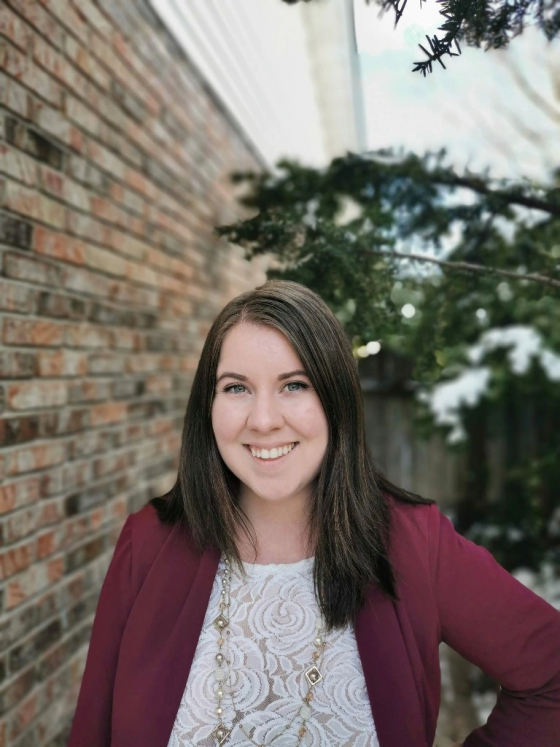
    Today we are featuring CPCF graduate Devon Ainslie.

    Devon graduated from CPCF in 2017 with a degree in Media and Communications Studies with a Concentration in Digital Culture. She currently working for the Institute for Clinical Evaluative Sciences (ICES) as the Senior Communications Associate. In this role, Devon oversees the strategic direction of ICES social media channels, website strategy, and builds relationships with internal departments to advance new communication initiatives and projects with community partners.

    “As a transfer student, I really enjoyed the interdisciplinary courses and variety of courses in the CPCF department. There is course content that is still relevant to me today at work and has been assisting me with current projects. I studied abroad in Scotland which gave me a whole new perspective on media in other parts of the world. The internship course was of particular interest as well, it allowed me to discover the area of communications I wanted to focus on and gave me everlasting partnerships and connections.

    During my time at Brock, I interned with McMaster University, Faculty of Health Sciences Public Relations Office, which propelled my interest in health communications. After my internship ended and I graduated, I took time off and a break from school to travel (highly recommend if you get the opportunity). I then started at McMaster University, Michael G. DeGroote School of Medicine, Niagara Regional Campus as the Communications Assistant where I was immersed in all aspects of media/communications, design, event planning and social media content creation. It was a wonderful experience and allowed me to build a solid foundation of many different areas. I was also able to mentor my own CPCF intern to give her the experience to propel her forward.

    My advice to current students would be to stay curious and adaptable – health communications is a dynamic field that’s always evolving. It’s important to build a strong foundation of both technical skills (writing, social media management, data analysis, project management) and soft skills (like empathy, active listening, creativity, and time management). Don’t underestimate the power of networking – seek out internships, volunteer opportunities, or roles that have an emphasis on health communications and connect with individuals already within that field. Build a strong foundation with storytelling – whether you’re sharing research findings, promoting health initiatives or creating social media messaging, it is important to frame your message in a way that resonates with your audience. Finally, use your creativity to think outside of the box. Health communications often involve navigating complex issues, crises, and engaging with the public. Ensure your ideas are innovative, current and fresh will be the key to engaging people effectively. Stay open, keep learning, and take every opportunity you can to grow!”

  • Memorial for Dr. Laura Wiebe


    On August 16th, 2022, the Department of Communication, Popular Culture and Film lost a former professor, student, and friend Dr. Laura Wiebe after a battle with cancer.

    Dr. Laura Wiebe was not only a beloved student and professor here in the CPCF Department, but also a beacon of kindness and compassion. Her dedication to her students and her love of animals (especially cats!), heavy metal, horror films and basketball were well-known and cherished by all who had the privilege of knowing her. In her final lecture, she left us with a powerful message: “Always be kind to each other.” These words continue to resonate deeply within our community.

    In honour of Dr. Wiebe’s enduring legacy, we are creating a special memorial space on campus. This space will not only celebrate her contributions to academia but also serve as a sanctuary for reflection, kindness, and the joy she found in her friends. It will be a place where students, faculty, and visitors can come together to remember her and be inspired by her example.

    To bring this vision to life, we need your support. Your generous donation will help us create a beautiful and meaningful space that truly reflects Dr. Wiebe’s spirit.  Every donation will make a significant impact.

    Together, we can create a lasting tribute to Laura, ensuring her legacy of kindness continues to inspire future generations.

    Link to donations.


  • Marc MacDonald’s CPCF Journey

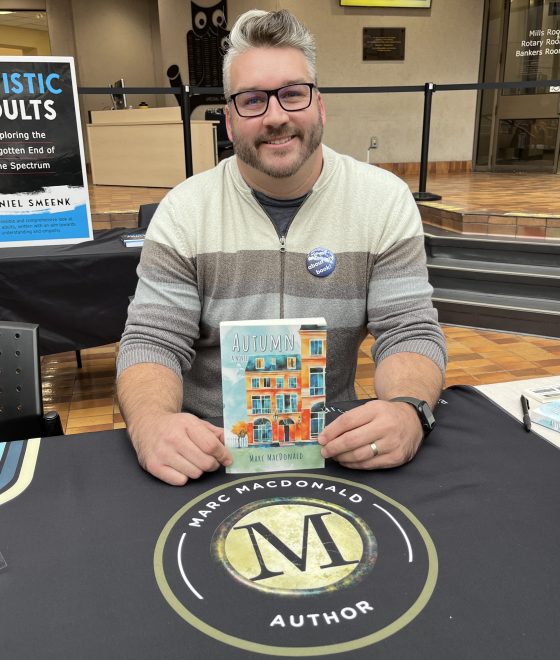
    Today we are featuring CPCF graduate Marc MacDonald. Marc graduated in 2008 with a BA in Popular Culture and a minor in Professional Writing. Since graduating, Marc has worn many different hats. He is currently working for the City of Welland as the Chief Communications & Engagement Officer and recently published his first novel!

    Here is a little bit of what Marc has to say about his experience in CPCF and at Brock.

    Photo of Marc MacDonald

    My career path started in the journalism industry, after spending my undergraduate days working for the Brock Press. From there, I wrote for weekly newspapers before transitioning to a traditional communications role, which began in the Faculty of Education at Brock in 2012. My political calling was answered in 2017 when I shifted to the Town of Pelham before joining the City of Welland in 2021. Moreover, my personal hobbies have taken a significant role in my life, especially writing. This passion resulted in a published novel in October 2024, my first of what I hope will be several.

    More than anything, my education taught me to be curious; to uncover what was on the surface and ask questions about what else was hiding – in plain sight or otherwise. It also taught me the ways in which language, writing, and storytelling can be persuasive and enthralling. Storytelling is such a large part of my life – professional and personal – and one area that I think is often misunderstood and under appreciated. But take a look around, stories are being told everywhere.

    When asked what advice do have for current students who want to make the most out or their? Marc responded with: be curious. Ask questions to understand. And above all else, follow your passion. What you do for your day job may not perfectly align with your passion but find a way to engage with that passion elsewhere. Give yourself an opportunity to be as complete as possible.

    Again, be curious and get involved. For example, if you’re interested in working in a municipality, there are many ways to get involved ahead of submitting an application that will show not only your interest, but that you’re doing your research in the field you’d like to join.

    Have I mentioned curiosity? I wholly subscribe to the idea that doing something because it’s the way it’s always been done that way is a colossal waste of time. Dream big, stretch boundaries, and try new things. If it doesn’t work, who cares, you’re leaving with lessons learned. But when you hit the mark on those big ideas? Look out. I look for people who can appreciate this vision. It doesn’t have to be matched, but it does have to be appreciated.

  • Navigating Generative AI: Implications for Small Businesses and Non-Profits

    Assistant Professors Kate Cassidy and Michelle Chen.

    Free online event on Jan. 21, 2025 from 10 to 11:30 a.m. 

    CPCF Assistant Professors Kate Cassidy and Michelle Chen will present their Niagara Community Observatory (NCO) policy brief, Navigating Generative AI: Implications for Small Businesses and Non-Profits, at a free online event hosted by the NCO. This launch event is based on exploratory research into the experiences of early adopters of generative AI in Niagara. The presentation will be followed by a panel discussion.

    Their presentation will be an opportunity to gain a deeper understanding of generative AI’s potential and to learn how to navigate its integration thoughtfully.

    You can register for this free event by sending an RSVP to NCO Research Coordinator, Dr. Carol Phillips at [email protected]. An event link will be sent to all registrants closer to the date.

    Read more about the event in The Brock News.

    Hope to see you there!

  • Dr. Good on the Take Me Outside Podcast!

    In this inaugural Take Me Outside podcast episode, Professor Jennifer Ellen (Jenellen) Good talks with Take Me Outside founder Colin Harris about the climate crisis, technology, and eco-spirituality. They discuss how these issues are communicated, both societally and educationally, and the role these issues play within the education system.

    Link to full podcast here.

    Take Me Outside is a Canadian non-profit organization focused on promoting outdoor learning and encouraging students, teachers, and schools to engage with nature. Founded in 2012, the organization advocates for the integration of outdoor education into school curricula, to enhance students’ physical, emotional, and cognitive development.

  • Meet the New CPCF Ambassadors!


    I’m Dharmi Dhiraj Gohil, a third-year Business Communications student minoring in Business Management. My pronouns are she/her. As a passionate digital media enthusiast, I’ve had the pleasure of exploring the ever-evolving world of content creation and social media. Being able to curate and share stories online has been an exciting journey for me, and I’m excited to bring that energy to my role as a CPCF Student Ambassador!

    What I love most about Brock’s CPCF department is its welcoming and vibrant community. It’s a place where creativity and critical thinking thrive, and I’ve always felt inspired by the courses and the people I’ve met here. From participating in campus events to working and helping students, I’ve been actively involved at Brock, and I’m excited to give back by helping new students feel at home in CPCF.

    As an ambassador, I am looking forward to organizing fun social gatherings, connecting with new students, and contributing to student outreach at events like the Ontario University Fair and Brock’s Open Houses. It’s a chance to share why CPCF is such an amazing department, and I can’t wait to help others experience it!


    Hi, I’m Charles one of the Student Ambassadors for CPCF this year. I am currently in my third year of Business Communications.

    I applied for this position because I wanted to get more involved within our department. I think that CPCF is a great place to be because all our students come from different backgrounds, but we share some common interests such as learning more about the media and culture.

    I am excited to be a CPCF Student Ambassador this year because I am very outgoing and am willing to get to know more people from our department and connect with you guys. What I hope to do after I graduate from CPCF is go to grad school for further studies or stepping into the field of education (I’m not sure yet).  Although, I feel like CPCF is the place to learn more about us and connect with others. That’s why we are all here right?

    Hope to meet you all soon!

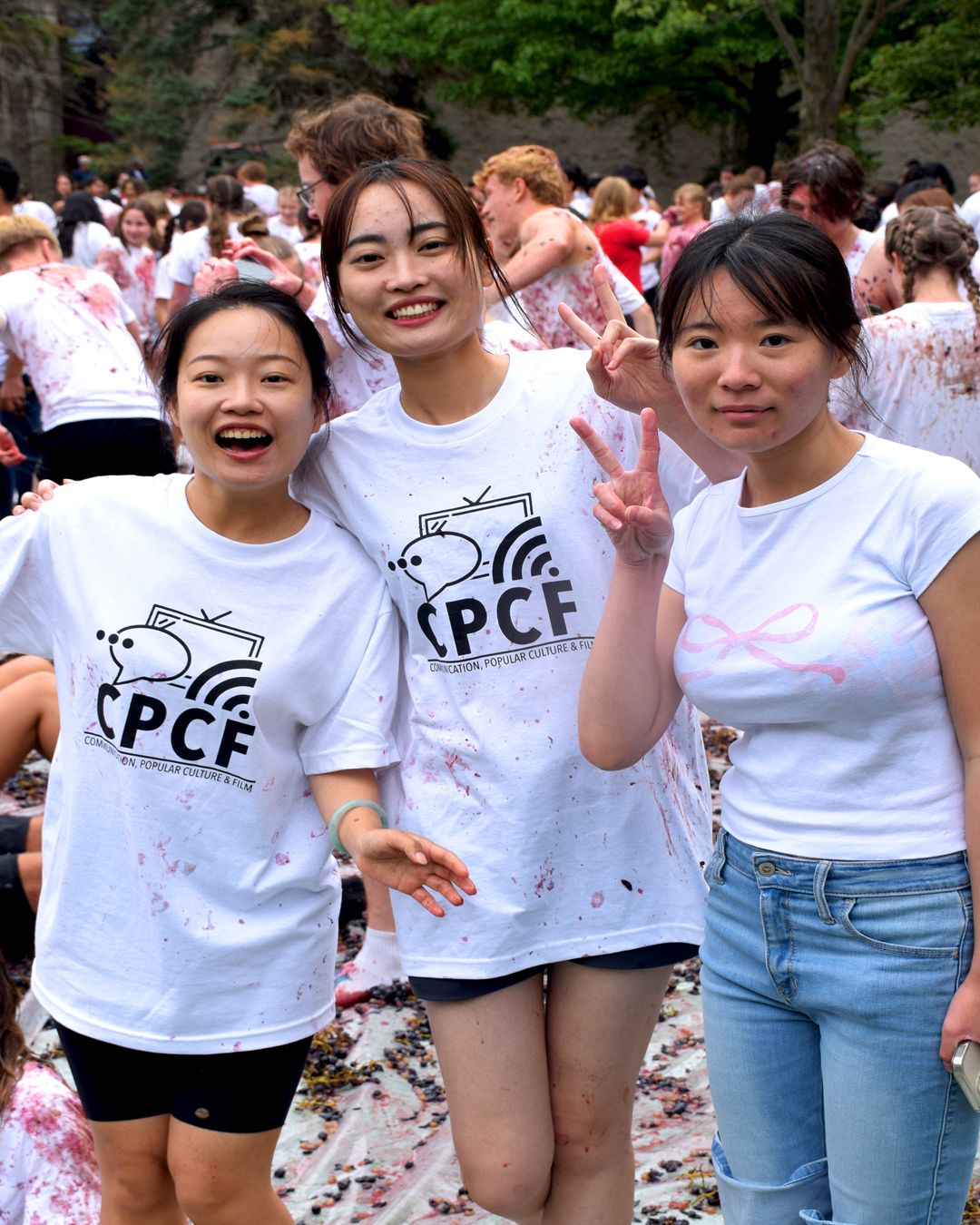
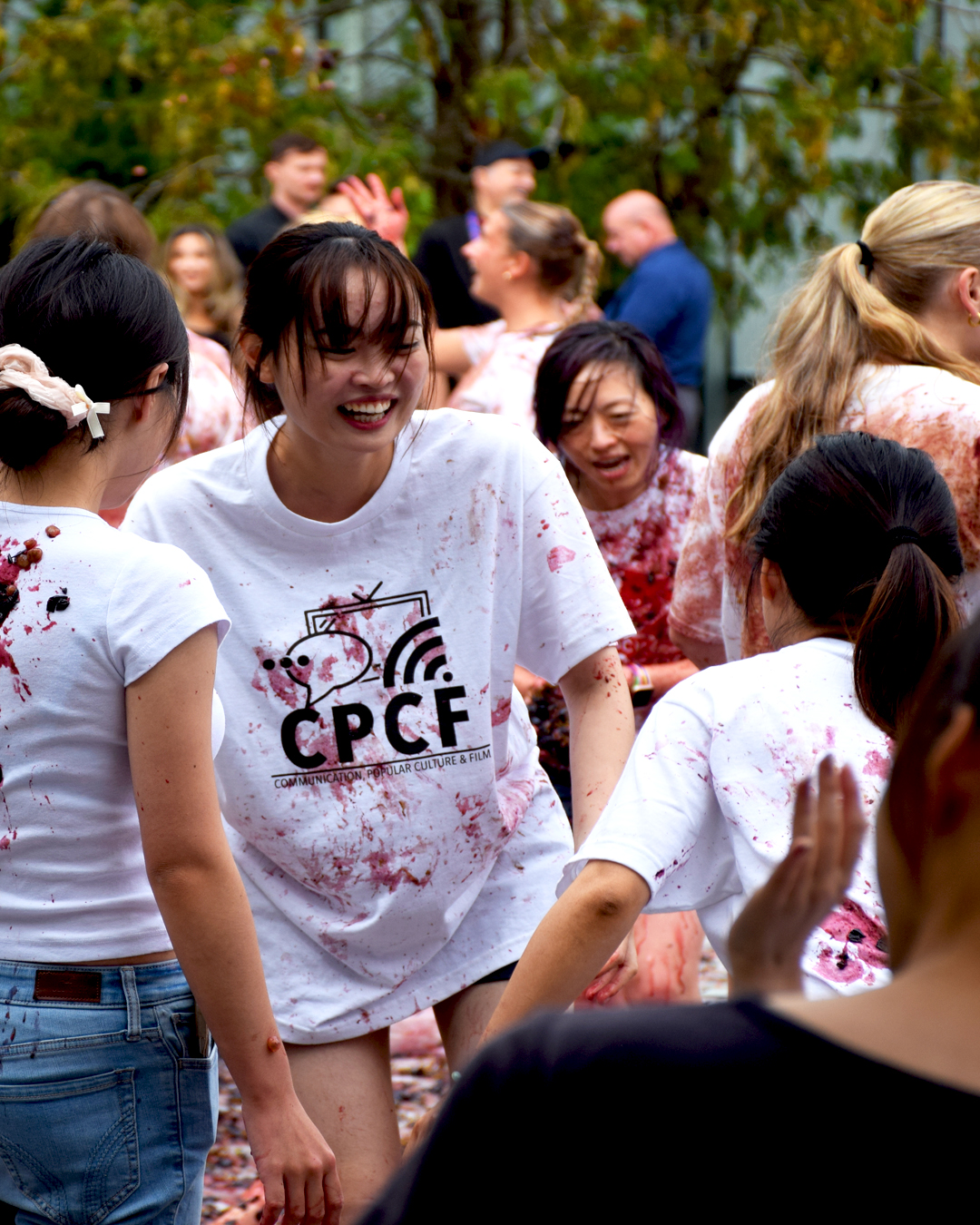
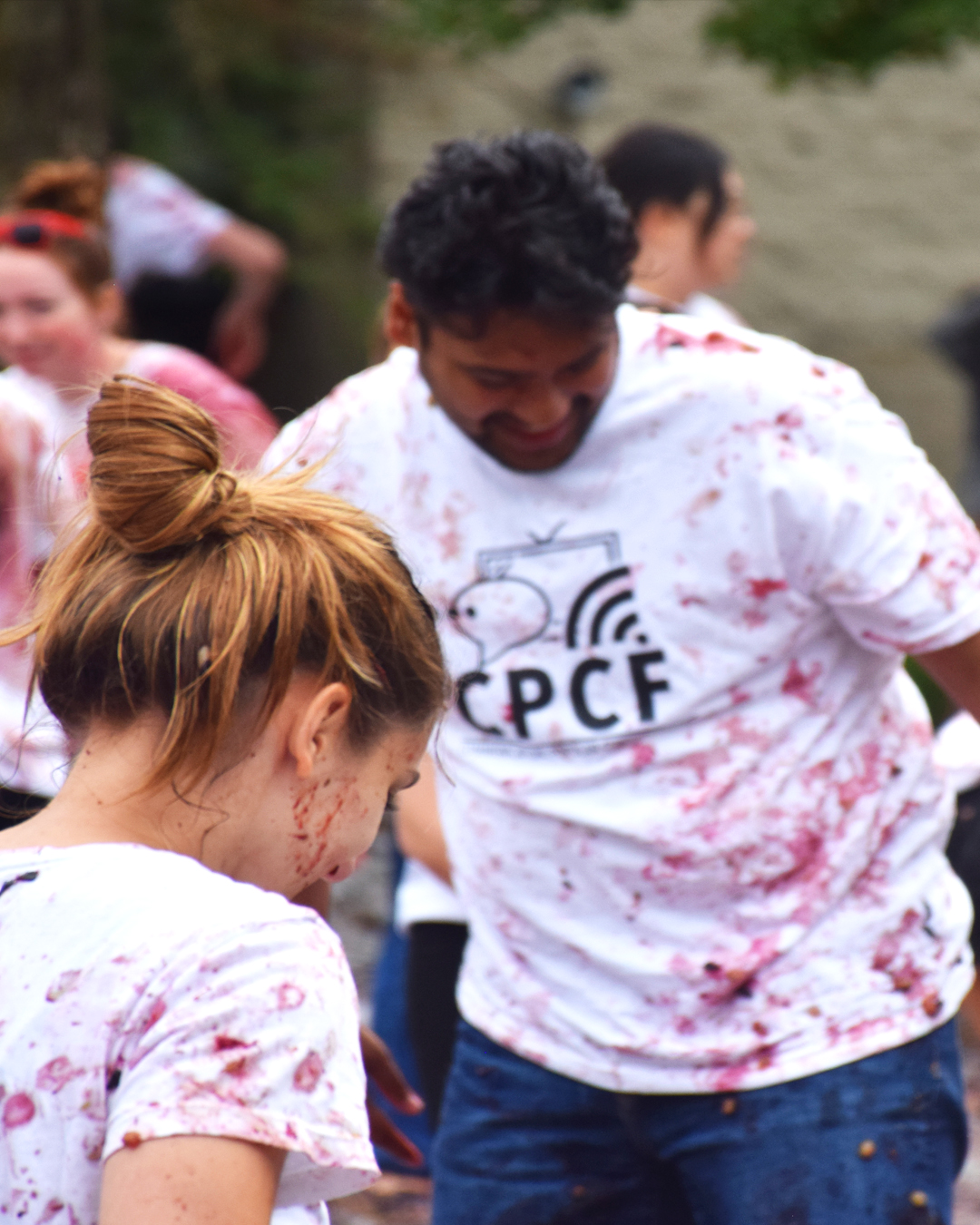
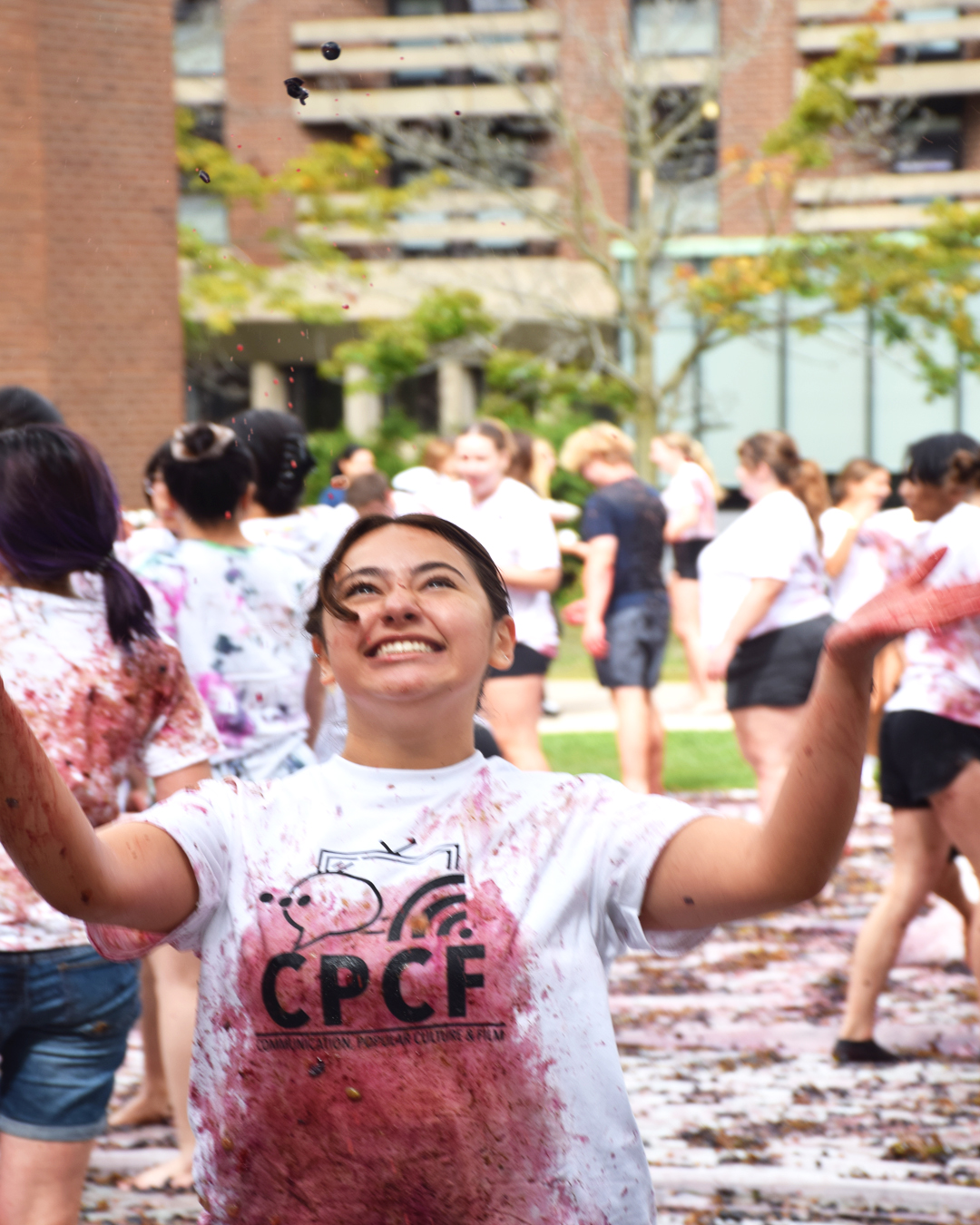
  • Brock experts find wine is central to Niagara’s identity

    This story originally appeared in The Brock News
    by Amanda Bishop


    Brock Associate Professor Russell Johnston and Professor Michael Ripmeester made a corker of a discovery when conducting surveys on how locals identify Niagara.

    As St. Catharines gears up for the annual Grape and Wine Festival, two Brock researchers have uncorked findings on how important wine really is to Niagara residents.

    For almost two decades, Russell Johnston, Associate Professor in the Department of Communication, Popular Culture and Film, and Michael Ripmeester, Professor in the Department of Geography and Tourism Studies, have studied how local residents identify the Niagara region.

    In their recently published book, Meaningful Pasts: Historical Narratives, Commemorative Landscapes, and Everyday Lives, Niagara’s wine culture is one of two in-depth case studies.

    Their research, beginning in the early 2000s, originally sought to determine if and how people engage with monuments in Niagara. With the celebrations of the War of 1812 bicentennial still on the horizon at that time, Johnston and Ripmeester started surveying St. Catharines residents on the street about what sprang to mind when they thought of Niagara.

    “We both had an interest in understanding what monuments actually did, apart from what they were supposed to do, so we specifically did not use words like ‘past’ or ‘history’ when talking to Niagara residents,” says Ripmeester. “We were very much interested in whether or not people would go there — and they didn’t, at all.”

    The researchers were surprised to find that wine was identified strongly as part of the region’s fabric — sometimes, even more than the iconic waterfall at Niagara Falls.

    Johnston says that once wine was established as a key identifier, subsequent surveys dug into whether people believed there was any historical connection with wine. Results confirmed that wine was viewed “as part of Niagara’s agricultural heritage, and not just a contemporary industry.”

    “As it developed, the wine industry did a great job of inserting itself into heritage narratives so that people were able to see it as part of a longer-term agricultural trajectory of Niagara, from small towns and family farms to wine and wineries,” says Ripmeester. “So, for all kinds of reasons, the wine industry is speaking to the people of Niagara in the sense that it gives them a positive identifier.”

    The researchers say the bicentennial of the War of 1812, which fell in the midst of their research, provided an interesting counterpoint to their findings on wine. Commemoration projects and events ran from 2011 to 2014, so when Ripmeester and Johnston conducted another survey about Niagara identifiers in 2016, they expected to be able to observe the impact of this substantial investment and the extensive local media coverage surrounding it.

    Almost no one mentioned it.

    “Out of everyone we surveyed, one or two people mentioned the War of 1812,” says Johnston. “In 2016, we had the lowest number of respondents naming the War of 1812 out of all of our surveys dating back to the early 2000s.”

    Ripmeester says they were shocked by this result.

    “The federal government, the Department of National Defence, local dignitaries and historians thought it was important to give people a sound knowledge of the War of 1812 and spent tens of millions of dollars,” he says. “Yet it didn’t create a lasting impression on local people.”

    Instead, wine culture, tourism, heritage and industry continued to top the survey responses throughout the project. Researchers say this is because people name what’s personally meaningful — not necessarily what officials who work to steer public memory hope to highlight.

    “Narratives come in and out of relevance for people living in a particular community,” says Johnston. “People are often reaching for what’s right now.”