The Bachelor of Science in Nursing (BScN) is a 4-year, full-time degree program.
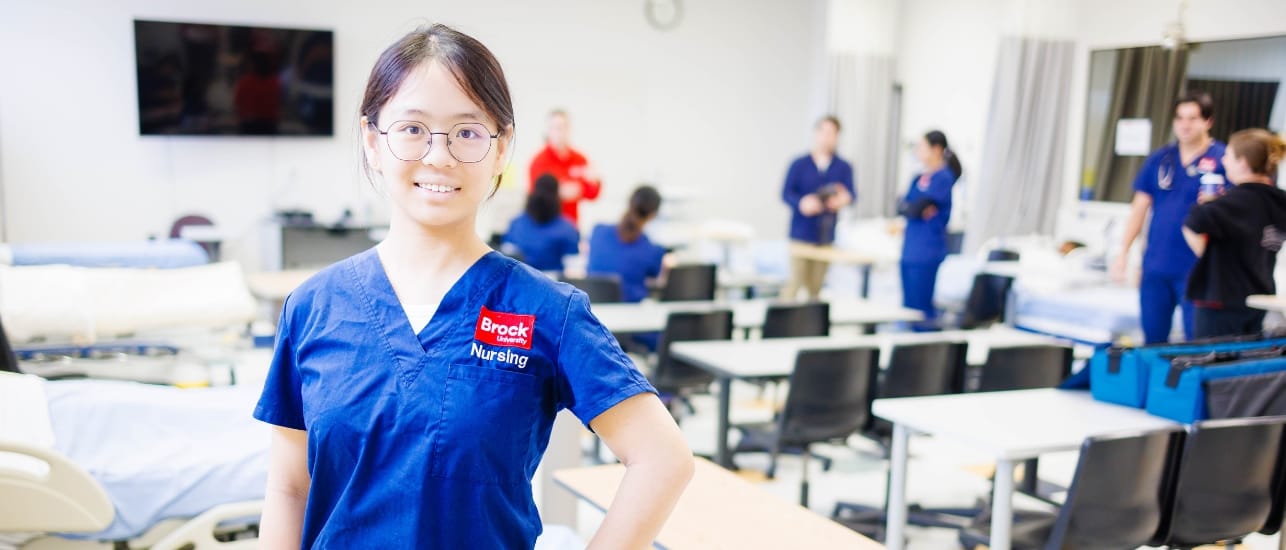
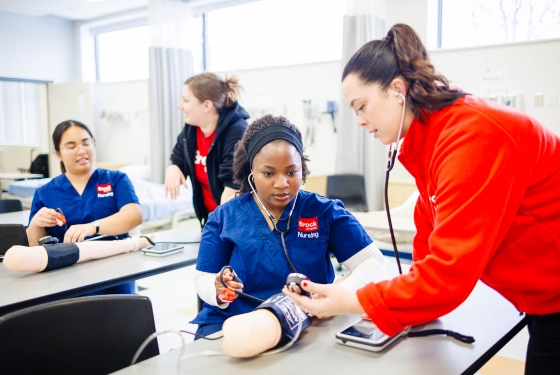
At Brock, knowledge learned in the classroom is integrated with lab and clinical practice. Brock University’s nursing program is known for its rigorous curriculum, knowledgeable and approachable faculty, exclusive nursing lab spaces and demanding standards.
By placing our students in hospital settings and working with the community throughout the program, there is an added level of quality and familiarity, which provides students with every opportunity to excel.
Our nursing graduates leave Brock with a well-regarded reputation for excellence and also have the knowledge and skills to be health care leaders in Niagara and beyond.
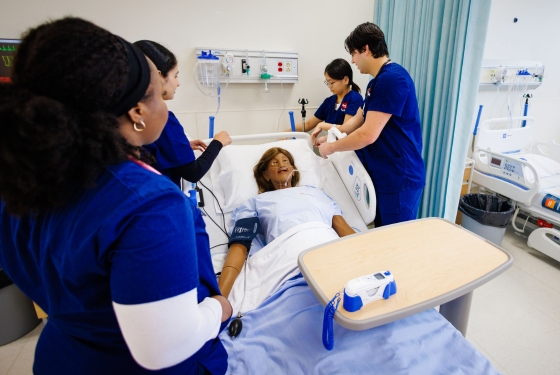
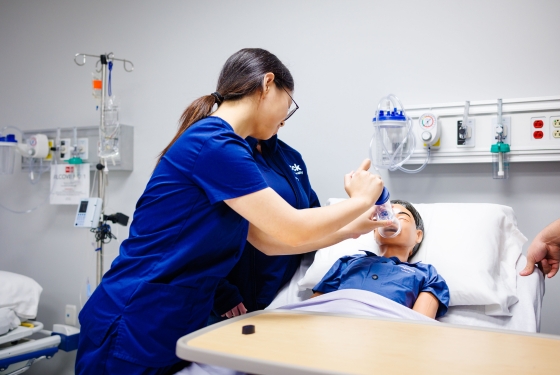
Our teaching facilities (state-of-the-art simulation labs) provide Brock nursing students with an even better advantage in developing the necessary skills to be successful in their careers.
Each space has been carefully designed to nurture student learning in a safe environment with advanced teaching facilities.
Graduates of Brock University’s BScN program will be eligible to write the NCLEX licensing exam.
About the BScN program
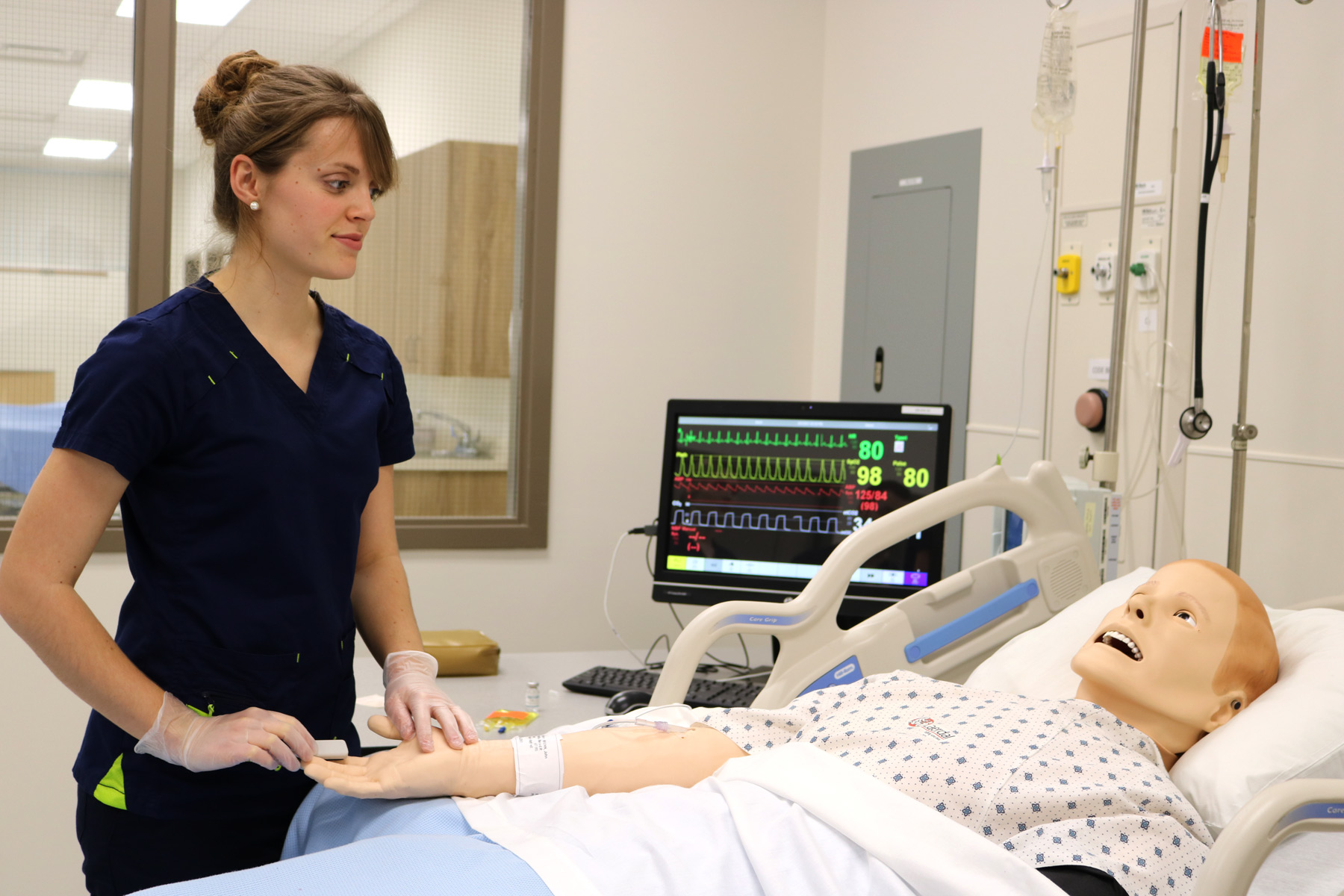
Our program is founded on practical experience, which includes substantial clinical hours in a variety of different settings. Students gain experience in our state-of-the-art Nursing Simulation Labs, where patient simulators are programmed to exhibit the physical responses of patients in various situations, mimicking real-life clinical and emergency situations in a safe learning environment. You’ll acquire the knowledge, skills and abilities to prepare you for professional nursing practice within the context of a changing health-care system.
- English (ENG4U) (min.75%)
- Biology (SBI4U) (min.75%)
- Chemistry (SCH4U) (min.75%)
- One 4U Math (min.75%)
Expected cut-off: mid 80s
OUAC Code: BNS
Not an Ontario Secondary School applicant? Find your admissions criteria here
Year 1
- NUSC 1P01 – Nursing Fundamentals 1
- NUSC 1P02 – Nursing Fundamentals
- NUSC 1P03 – Nursing Clinical Judgement & Skills
- NUSC 1P04 – Health Assessment
- BIOL 1P93 – Foundations in Biology I
- BIOL 1P94 – Foundations in Biology II
- KINE 1P99 – Foundations of Human Anatomy and Physiology
- KINE 2P09 – Human Physiology
- PSYC 1F90 – Foundations of Psychology
Year 3
- NUSC 3P01 – Advanced Nursing Topics 1
- NUSC 3P02 – Advanced Nursing Topics 2
- NUSC 3P11 – Nursing Care of the Young Family
- NUSC 3P15 – Mental Health Across the Lifespan
- NUSC 3P72 – Community, Population & Global Health
- NUSC 3P76 – Equity, Diversity & Inclusion in Health
- NUSC 3P80 – Nursing in Advanced and Altered Contexts 1
- NUSC 3P85 – Nursing in Advanced and Altered Contexts 2
- One Humanities context credit
Year 2
- NUSC 2P07 – Theory 1: Care of the Adult and Older-adult
- NUSC 2P08 – Theory 2: Care of the Adult and Older-adult
- NUSC 2P17 – Lab 1: Care of the Adult and Older-adult
- NUSC 2P18 – Lab 2: Care of the Adult and Older-adult
- NUSC 2P19 – Pharmacology in Nursing
- NUSC 2P20 – Ethics in Nursing Care
- NUSC 2P80 – Clinical 1: Care of the Adult and Older-adult
- NUSC 2P85 – Clinical 2: Care of the Adult and Older-adult
- HLSC 2P02 – Infection Control and Safety
- one-half elective credit
Year 4
- NUSC 4D80 – Nursing Professional Practice 1
- NUSC 4L85 – Nursing Professional Practice 2
- NUSC 4P50 – Applied Nursing Research
- NUSC 4P55 – Transition to Professional Nursing Practice
- NUSC 4P62 – Nursing Leadership, Trends, & Issues
All course information can be found in the calendar here
Students should familiarize themselves with the Requisites Skills and Abilities as set out by the College of Nurses. The College of Nurses of Ontario provides information to prospective nursing students, guidance about the general demands and performance expectations of nurses.
- Nursing-focused labs will start in year 1, semester 1.
- Nursing Simulation Labs belong to our Department of Nursing only and are not shared with other departments. Our Nursing students have exclusive access to our Labs
- Students can book open lab practice time convenient to them
- Neonatal –> Geriatric simulations
- Our BScN has taken on a major modification to the program to best prepare our students for entry to practice and the NCLEX exam
- The vast majority of courses taught within the Nursing department
- Extensive support for Nursing students through advising and a clinical team specific to Nursing students
- Small clinical groups with a clinical instructor
As a Brock graduate with a Bachelor of Science in Nursing, you’ll be eligible to write the National Council Licensure Examination for Registered Nurses (NCLEX-RN exam).
The College of Nurses of Ontario (CNO) requires the achievement of a bachelor’s degree for graduates to be considered for licensing as registered nurses in Ontario.
The CNO states in its registration requirements that a baccalaureate degree in an approved nursing program is required for entry-to-practice and registration as a Registered Nurse in Ontario. This program satisfies these requirements.
As a registered nurse, there are endless possibilities, but some areas you may work in include:
- Acute care hospitals
- Public health
- Research
- Administration
- Policy Development
- Education